

What to look for in verified tattoo reviews
Finding the right artist goes beyond matching a style to a portfolio. Verified reviews offer the only reliable window into the shop’s actual hygiene standards, aftercare support, and pricing transparency. When you read feedback, look for specific details about the artist’s technique rather than generic praise. Did the line work hold up after healing? Was the pain manageable? Did the artist explain touch-up policies clearly? These concrete details matter more than a five-star rating.
Price is a major factor in any tattoo review. High-end shops often charge premium rates, which can be justified by superior hygiene and artist skill. For example, some San Jose shops like Marks of Art are known for high quality but also for being pricey. Reviews often highlight this trade-off, noting that while the cost is steep, the attention to detail justifies the expense for permanent body art. Conversely, some long-standing shops may have declining service standards despite loyal local followings, so recent reviews are critical.
When writing or reading reviews, focus on the practical aspects. Mention the artist’s professionalism, the cleanliness of the workspace, and how well the ink healed. Avoid vague comments. If you are considering a large piece, ask about deposit policies and booking wait times. These logistical details often appear in detailed reviews and help you avoid unpleasant surprises on tattoo day.
Understanding the cost and condition choices that change the plan
Your budget and health conditions are the two biggest constraints in the tattooing process. A $3,000 tattoo typically requires a significant tip, usually 15-20%, which adds $450-$600 to your final bill. This is standard industry practice to compensate artists for their skilled labor and time. Reviews often mention tipping practices, so checking these can help you budget accurately.
Health conditions like diabetes or medications like GLP-1 agonists (e.g., Ozempic) or Lexapro can affect healing. Some artists may refuse clients on certain medications due to increased bleeding or altered pain perception. Verified reviews frequently mention how artists handle these conversations. Look for comments about artists who are accommodating yet cautious, ensuring your safety without compromising the art. Always disclose your full medical history to your artist before booking.
Age is another factor. Younger skin may heal faster, but older skin can be more fragile. Artists with experience in mature skin often mention this in their portfolios and reviews. If you are over 40, look for reviews that specifically mention successful tattoos on older clients. This ensures the artist understands the unique needs of your skin type.
Shortlist real options
Use this section to make the Tattoo Trends decision easier to compare in real life, not just on paper. Start with the reader's actual constraint, then separate must-have requirements from details that are merely nice to have. A practical choice should survive normal use, maintenance, timing, and budget. If a recommendation only works in an ideal situation, call that out plainly and give the reader a fallback path.
| Factor | What to check | Why it matters |
|---|---|---|
| Fit | Match the option to the primary use case. | A good deal still fails if it does not fit the job. |
| Condition | Verify age, wear, and service history. | Hidden condition issues erase upfront savings. |
| Cost | Compare purchase price with likely upkeep. | The cheapest option is not always the lowest-cost option. |
Inspect the expensive parts
Tattooing is a high-stakes craft where a single mistake can cost hundreds or even thousands of dollars to fix. Before you commit to a shop, treat the consultation like a job interview for a role that will be on your body for decades. Focus your inspection on the areas where failures are most costly: hygiene, line work, and artist consistency.
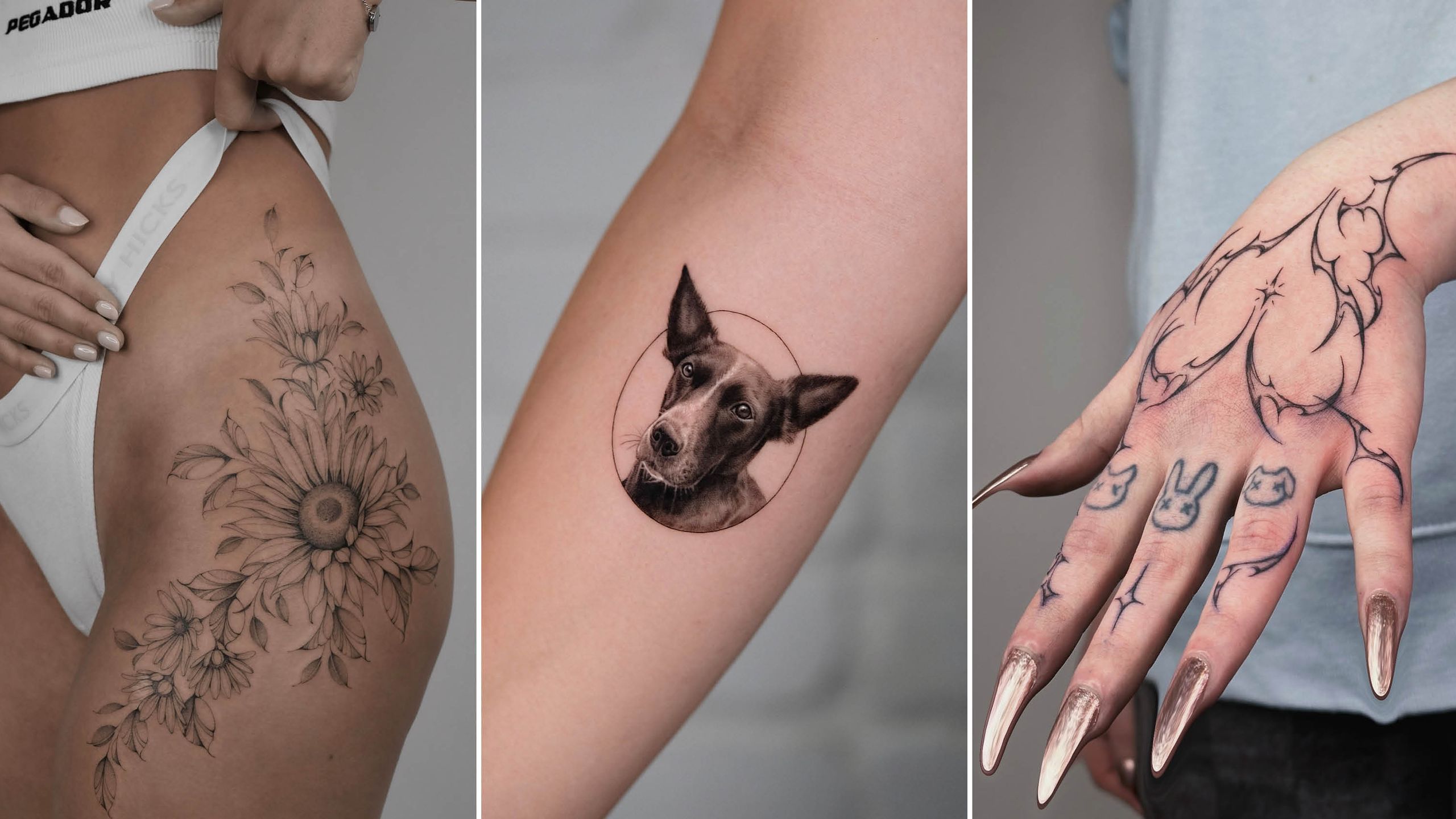
Open bags of needles in front of you. A reputable artist will never reuse a needle, even if they claim it is "sealed" from a previous session. Check that they use a barrier film on all surfaces and have a visible biohazard sharps container. If the studio looks cluttered or the artist handles money without changing gloves, leave.
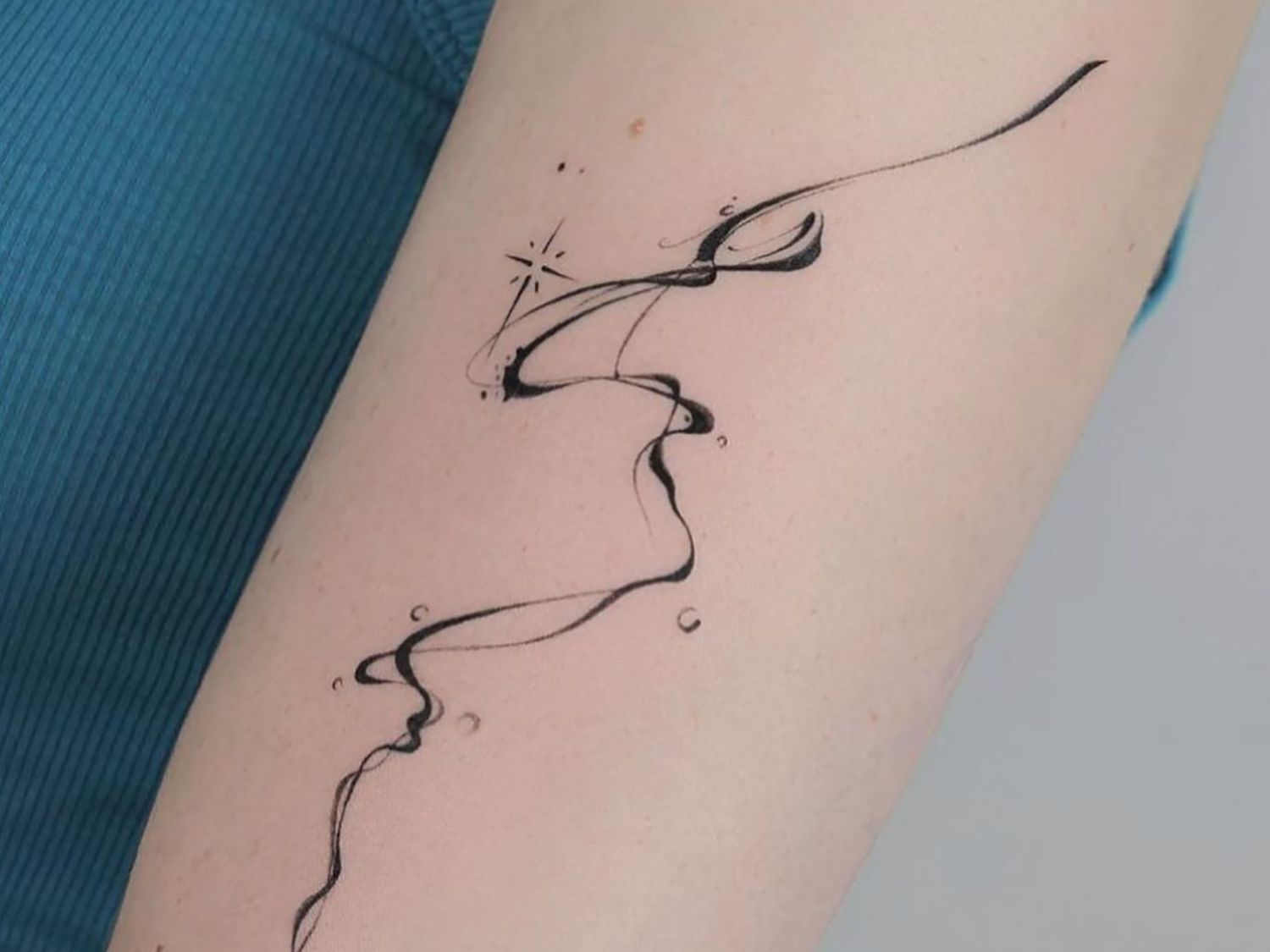
Look at healed photos, not just fresh ink. Blurry lines or patchy shading often indicate a machine that is poorly tuned or an artist rushing through the process. Ask to see at least three healed pieces from the last six months. Consistency in line weight and color saturation is the best predictor of how your tattoo will age.
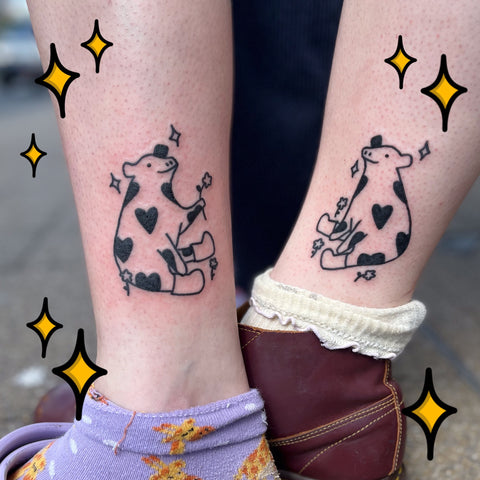
Expensive shops often have minimums, but they should be transparent about them. Ask if touch-ups are included in the original price or billed separately. A shop that refuses to put pricing in writing or avoids discussing aftercare costs is likely to add hidden fees later. Get the estimated total in writing before you sit in the chair.


As an Amazon Associate, we may earn from qualifying purchases.
Plan for ownership costs
A tattoo is a purchase that keeps asking for money. The ink on your skin is permanent, but the equipment that put it there requires care, sterilization, and replacement. When you look at a tattoo shop’s pricing, you are not just paying for the artist’s time; you are paying for the overhead of keeping that process safe and legal.
The hidden cost of safety
High-quality tattoo shops operate like small medical clinics. They must buy single-use needles, autoclave bags, and barrier films for every single session. These supplies do not get reused. If a shop is significantly cheaper than others in your area, check their hygiene protocols. Cheap often means cutting corners on sterilization or using inferior inks that fade or cause reactions, leading to expensive cover-up sessions later.
When "cheap" becomes expensive
The most expensive tattoo is the one you need to fix. If you choose a shop based solely on price, you risk poor line work, blown-out shading, or allergic reactions to cheap pigments. Correcting a botched tattoo can cost two to three times the original price. Always prioritize verified reviews that mention healing and longevity over the initial price tag.
Tipping and additional fees
Tattooing is a service industry job. Standard tipping ranges from 15% to 20%, similar to dining out. For a $3,000 piece, a 20% tip is $600. Some shops also charge a deposit (often non-refundable if you cancel) or extra fees for large sessions that require multiple days. Ask about these upfront. A clear price sheet is a sign of a professional operation.


As an Amazon Associate, we may earn from qualifying purchases.
Tattoo reviews: what to check next
Choosing an artist and shop involves more than just picking a design. You need to verify hygiene standards, understand pricing structures, and ensure your health conditions won't interfere with healing. Here are the most common practical questions about navigating tattoo reviews and aftercare.
What to write on a tattoo review?
A useful review focuses on specifics that help future clients. Mention the artist’s punctuality, the shop’s cleanliness, and how they handled your pain or anxiety. Include details about the line work, shading, and color saturation. Avoid vague praise; instead, describe the experience. Did the artist explain aftercare clearly? Was the studio environment comfortable? This data helps others assess if the shop’s style and service match their needs.
Can you get a tattoo while on GLP 1?
Most medical professionals advise waiting until your GLP-1 dosage is stable before getting ink. These medications can slow gastric emptying and affect how your body processes anesthesia or manages stress. Additionally, rapid weight loss or changes in skin elasticity can distort fresh tattoos. Consult your prescribing doctor first. They can advise if your current metabolic state is safe for the procedure and healing process.
How much should you tip for a $3,000 tattoo?
The standard industry tip is 15–20% of the total cost. For a $3,000 piece, this translates to a $450–$600 tip. Tipping acknowledges the artist’s skill and the physical labor involved in long sessions. If the shop has a strict no-tipping policy, ask in advance. In such cases, consider buying supplies for the shop or leaving a generous note instead. Never tip less than 10% unless the service was genuinely poor.
Can you get a tattoo while on Lexapro?
Yes, you can generally get a tattoo while taking Lexapro (escitalopram). The medication does not typically interfere with the tattooing process or healing. However, Lexapro can sometimes increase bleeding slightly or affect your pain threshold. Inform your artist about your medication so they can adjust their technique if needed. Ensure you are well-hydrated and have eaten before your appointment to minimize any side effects.
No comments yet. Be the first to share your thoughts!