
Tattoo artists budget
Tattoo Trends works best when the purchase path is explicit. Verify the source, compare the offer against real alternatives, check the total cost, and confirm what happens after payment before you decide. After each comparison, write down the one risk that would change your mind. If the seller, condition, support, warranty, shipping, or upkeep still feels uncertain, resolve that question before moving to checkout.
The simplest way to use this section is to verify the seller, compare the total cost, and resolve the biggest risk before you commit.
Compare Top Tattoo Artists by Style and Specialization
Choosing the right artist is less about finding the "best" tattooer in the world and more about finding the specialist who matches your specific design intent. In 2026, the community is moving away from generalists toward hyper-specialized studios and artists who dominate specific niches, from fine-line realism to bold traditional work. This comparison highlights four distinct artist profiles that are currently generating significant community buzz, based on studio portfolios, local reputation, and niche expertise.
The following table breaks down key options by their primary strength, ideal client type, and booking accessibility. Use this to filter your search before scrolling through individual portfolios.
Deluxe Tattoo: The Cover-Up Specialist
Based in Chicago, Deluxe Tattoo has earned a reputation for handling complex cover-ups and large-scale realism. If you are looking to transform an older, less-than-perfect tattoo into something new, their portfolio demonstrates a strong ability to work with existing ink density. This is not the place for tiny, delicate scripts; it is for substantial, high-impact pieces that require significant canvas management. Their focus on realism means you will need to commit to a larger budget and longer session times.
Speakeasy Custom: Precision and Minimalism
Speakeasy Custom represents the growing demand for fine-line and minimalist aesthetics. The community favors this studio for its technical precision in thin lines and clean geometry. If your vision involves subtle shading, small botanical elements, or precise geometric patterns, this is a top-tier option. Their booking process is moderately competitive, reflecting a steady stream of clients who prioritize aesthetic subtlety over bold statement pieces.
Club Tattoo NYC: Traditional Roots
For those drawn to the bold, timeless aesthetics of traditional and neo-traditional tattooing, Club Tattoo NYC remains a central hub. Their artists are skilled in maintaining crisp black outlines and vibrant color saturation, hallmarks of the style. This studio is ideal if you want a design that ages well with thick, consistent lines and classic iconography. Their high demand suggests that planning months in advance is often necessary for custom traditional work.
717 Tattoo: Regional Blackwork and Tradition
Located in Pennsylvania, 717 Tattoo offers a strong alternative for clients interested in blackwork and regional traditional styles. Their portfolio highlights a mastery of solid black packing and traditional motifs that resonate with a more local or rustic aesthetic. This studio is often more accessible than the major metro heavyweights, making it a practical choice for those in the mid-Atlantic region who want high-quality traditional work without the extreme booking wait times of NYC or Chicago.
When evaluating these options, always look at the artist's most recent work, not just their highlights. Tattoo techniques evolve, and a specialist who excelled in 2023 may have shifted their focus by 2026. Cross-reference the styles listed above with the artist's current Instagram or portfolio updates to ensure their present output aligns with your vision.
Check the expensive parts
Tattooing is permanent, and fixing a mistake is often more expensive than getting it right the first time. Before you commit to a 2026 trend, inspect the artist’s portfolio and your own skin expectations. This checklist focuses on the financial and physical risks that most people overlook.
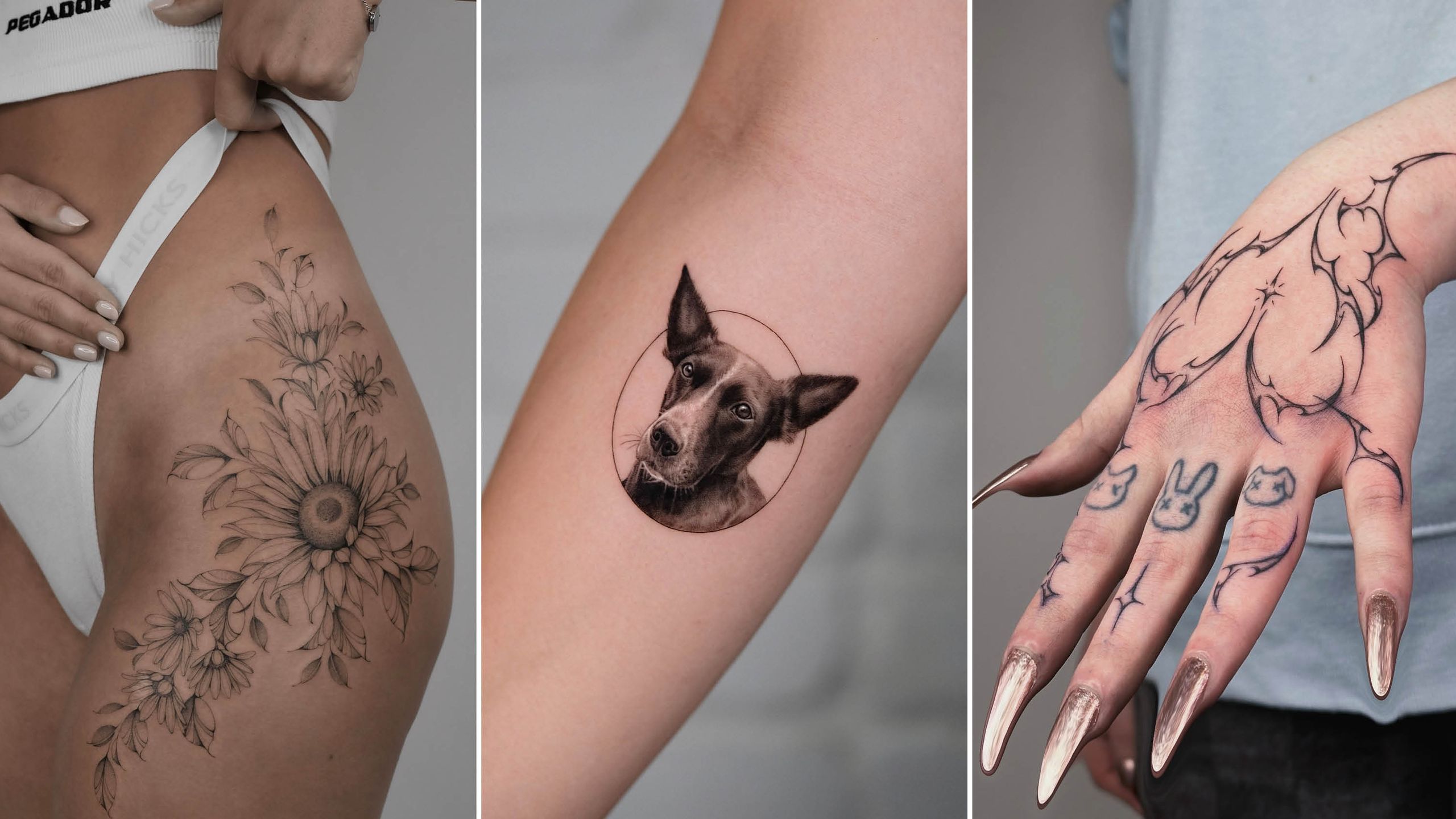
Trend designs often rely on dark, dense ink. If you have existing work, ask the artist to show specific examples of covering dark ink with lighter or intricate designs. Not all artists can handle heavy cover-ups, and a failed cover-up requires laser removal before re-tattooing, which triples the cost.
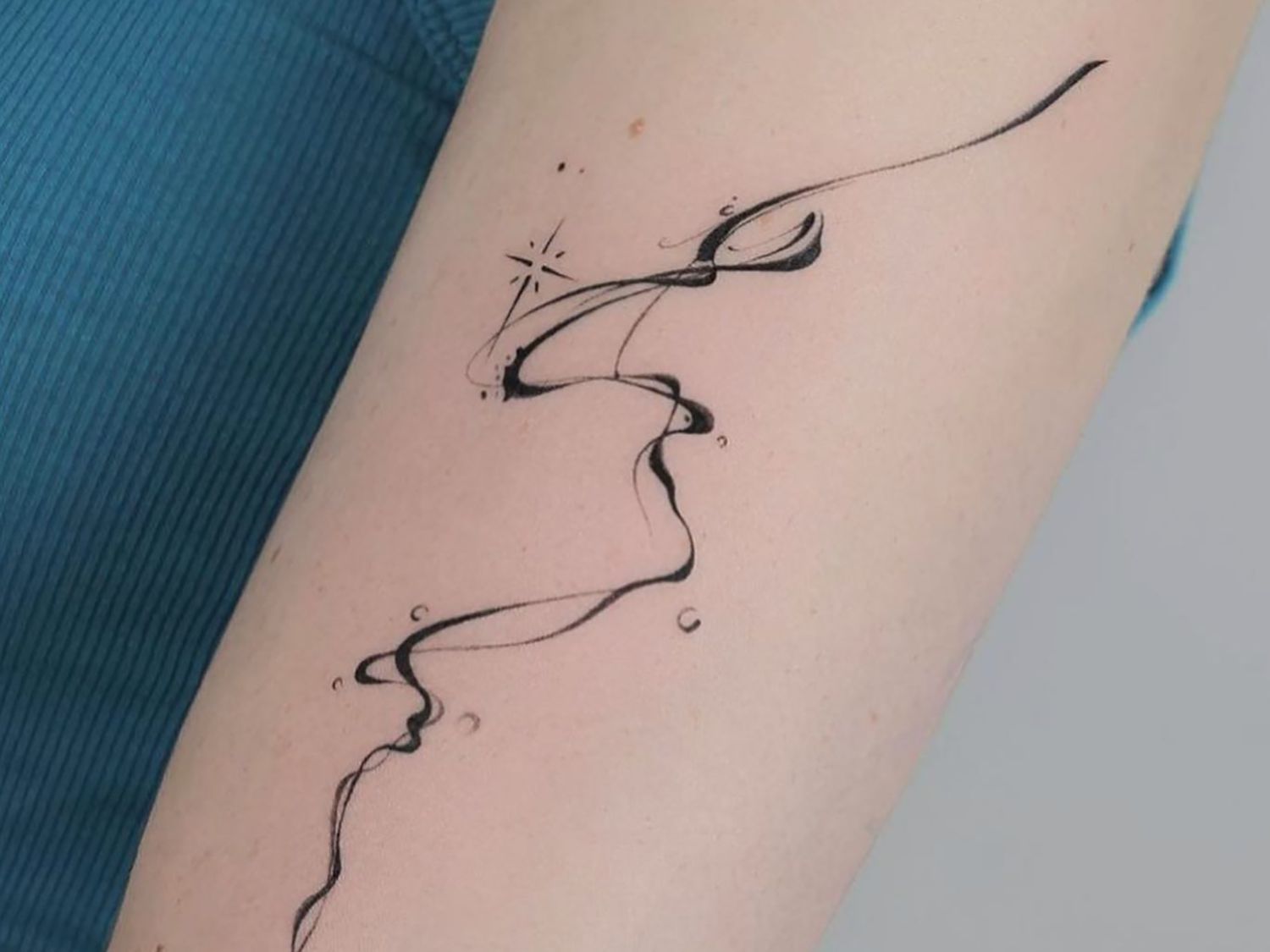
Fine line trends look sharp on day one but may blur or spread within a year. Request to see photos of their work taken 12-24 months after the original session. If the lines have bled or lost definition, the design may not be worth the investment for long-term wear.
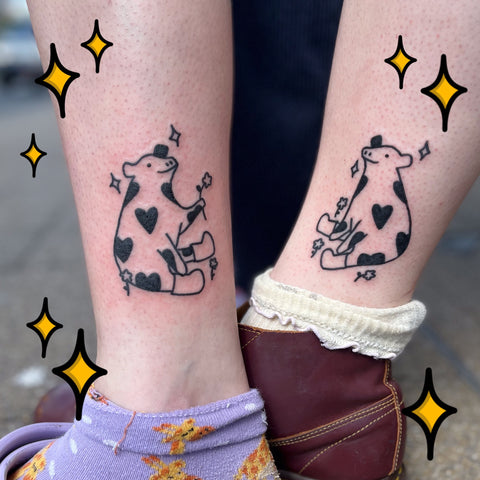
Infection risk is the hidden cost of cheap tattooing. Ensure the artist opens new, sealed needles in front of you. They should use barrier film on all surfaces and wear gloves. If the shop looks cluttered or the artist reuses any single-use items, walk away immediately.
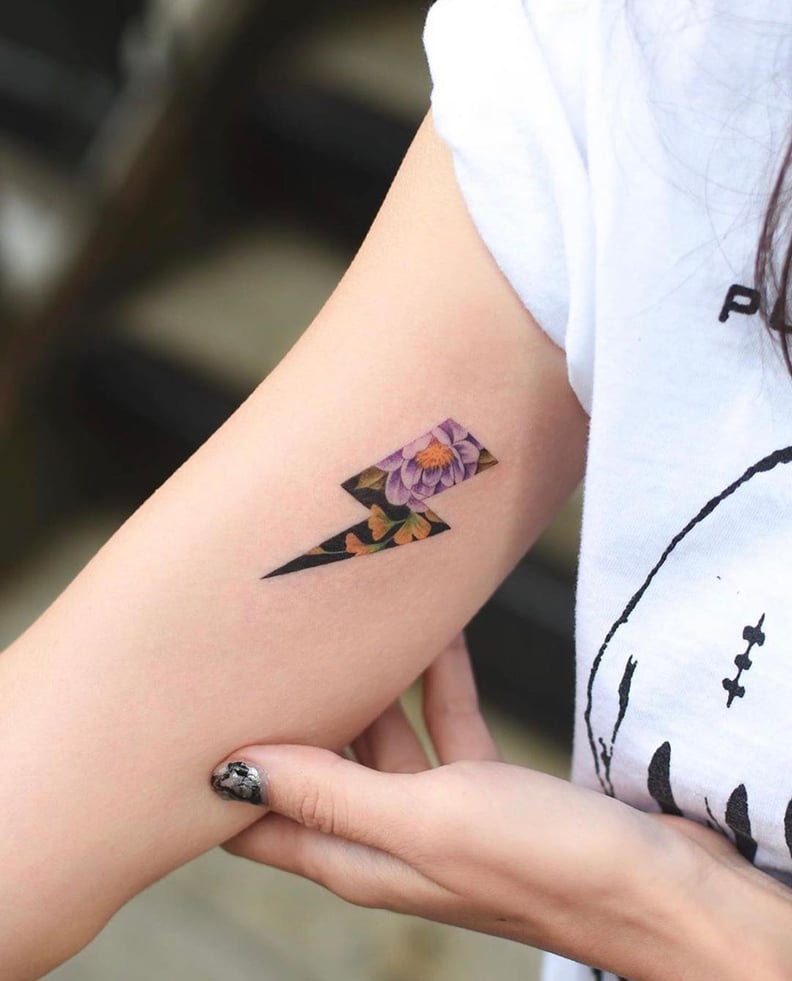
Large trend pieces often require multiple sessions. Ask about numbing creams or break schedules. A rushed session due to pain can lead to uneven ink placement, which is harder to fix later. Clear communication about comfort levels ensures a higher quality result.


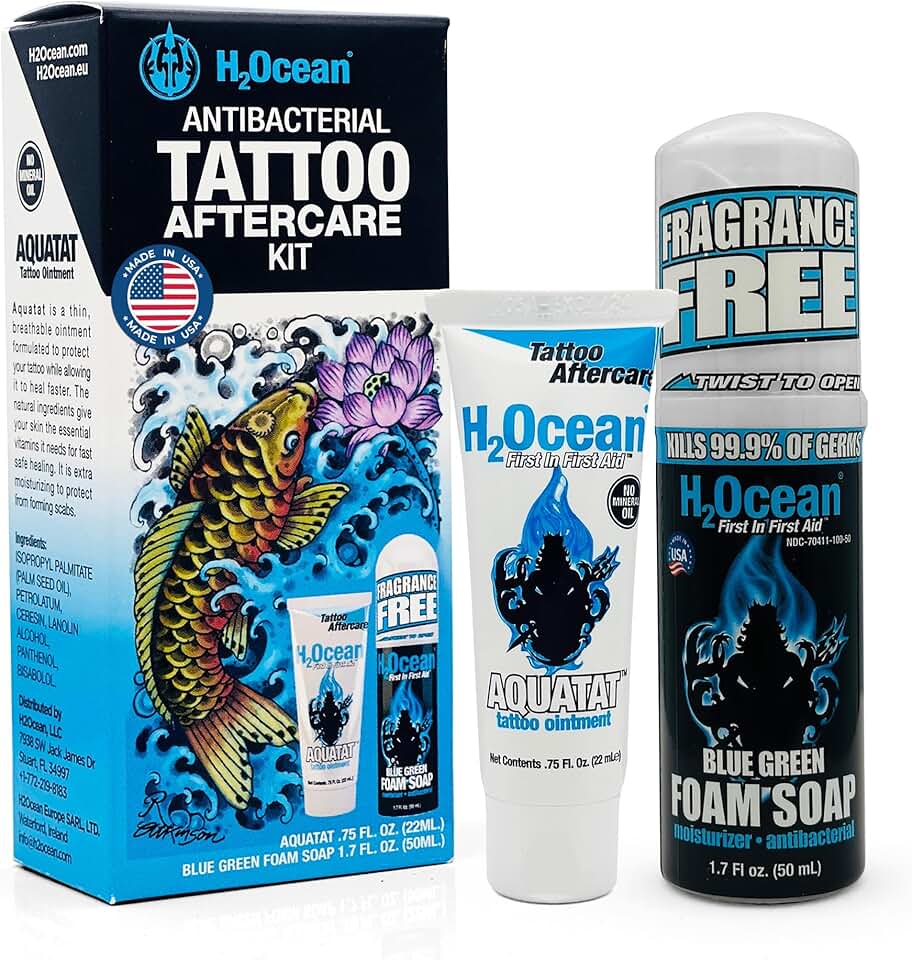
As an Amazon Associate, we may earn from qualifying purchases.
The right aftercare products are cheap insurance against expensive mistakes. Stick to the artist’s recommended cleaning routine and avoid picking at scabs. Consistent care preserves the ink and keeps your skin healthy.
Plan for ownership costs
Use this section to make the Tattoo Trends decision easier to compare in real life, not just on paper. Start with the reader's actual constraint, then separate must-have requirements from details that are merely nice to have. A practical choice should survive normal use, maintenance, timing, and budget. If a recommendation only works in an ideal situation, call that out plainly and give the reader a fallback path.
The simplest way to use this section is to write down the must-have criteria first, then compare each option against those criteria before weighing nice-to-have features.
Tattoo artists: what to check next
Choosing the right artist is the difference between a piece you love and one you regret. The 2026 landscape favors specialists over generalists, with artists increasingly known for distinct niches like neo-traditional realism or fine-line botanical work. Before booking, verify that the artist’s recent portfolio matches your desired style, as technical proficiency varies wildly between genres.
Consultations are non-negotiable. Reputable studios require a deposit to secure your slot, signaling seriousness from both sides. Use this meeting to discuss placement, sizing, and aftercare. If an artist dismisses your concerns or refuses to explain their hygiene protocols, leave. Trust your instincts; your skin is the canvas.
Costs are rarely fixed. Most artists charge by the hour, with rates ranging from $100 to $300 depending on location and demand. Small, simple designs often have a minimum shop fee. Be prepared to pay a premium for intricate detail or custom illustration work, which requires significant pre-drawing time.
No comments yet. Be the first to share your thoughts!