

2026 tattoo trends budget
Tattoo Trends works best when the purchase path is explicit. Verify the source, compare the offer against real alternatives, check the total cost, and confirm what happens after payment before you decide. After each comparison, write down the one risk that would change your mind. If the seller, condition, support, warranty, shipping, or upkeep still feels uncertain, resolve that question before moving to checkout.
The simplest way to use this section is to verify the seller, compare the total cost, and resolve the biggest risk before you commit.
Shortlist real options
The 2026 tattoo landscape is defined by a tension between nostalgic flash and precise technical execution. As noted in community discussions on Reddit, styles like engraving and woodcut are gaining traction, offering a bold, illustrative alternative to the fine-line dominance of previous years [[src-serp-1]]. Meanwhile, major publications like Allure highlight Y2K nostalgia and microrealism as the year's defining aesthetic currents [[src-serp-4]].
For those looking to invest in tattoo care or aftercare products, or perhaps decorative items that complement their new ink, the market is shifting toward specialized, high-quality tools. Below, we compare the strongest options available for supporting your tattoo journey, from initial healing to long-term preservation.
| Product Type | Best For | 2026 Style Match | Tradeoff |
|---|---|---|---|
| Premium Aftercare Balm | Healing and hydration | Fine-line & Microrealism | Higher upfront cost, but reduces scabbing |
| Y2K-Themed Flash Sheets | Temporary design inspiration | Nostalgia & Bold Graphics | Not permanent; good for consultation prep |
| Precision Tattoo Stencils | Accuracy for small details | Engraving & Woodcut | Requires steady hand to apply correctly |
| Antibacterial Ink Soap | Daily cleaning routine | All styles | Basic utility; brand loyalty varies |
The choice often comes down to what aspect of the tattoo experience you want to optimize. If you are getting a detailed microrealism piece, investing in a premium aftercare balm is practical; the smaller the area, the more critical proper hydration is for retaining sharpness. Conversely, if you are exploring the bold, illustrative styles mentioned in recent trend reports, temporary flash sheets can help you visualize placement and scale before committing to the needle.
While the styles themselves change, the need for reliable aftercare and planning tools remains constant. The table above highlights how different products serve different stages of the tattoo process, from the initial design phase to the long-term maintenance of your ink.
Inspect the expensive parts
Tattooing is a permanent investment. A botched design or poor placement can cost hundreds in laser removal or require a full cover-up. Before you commit, inspect the specific failure points that drive up long-term costs.
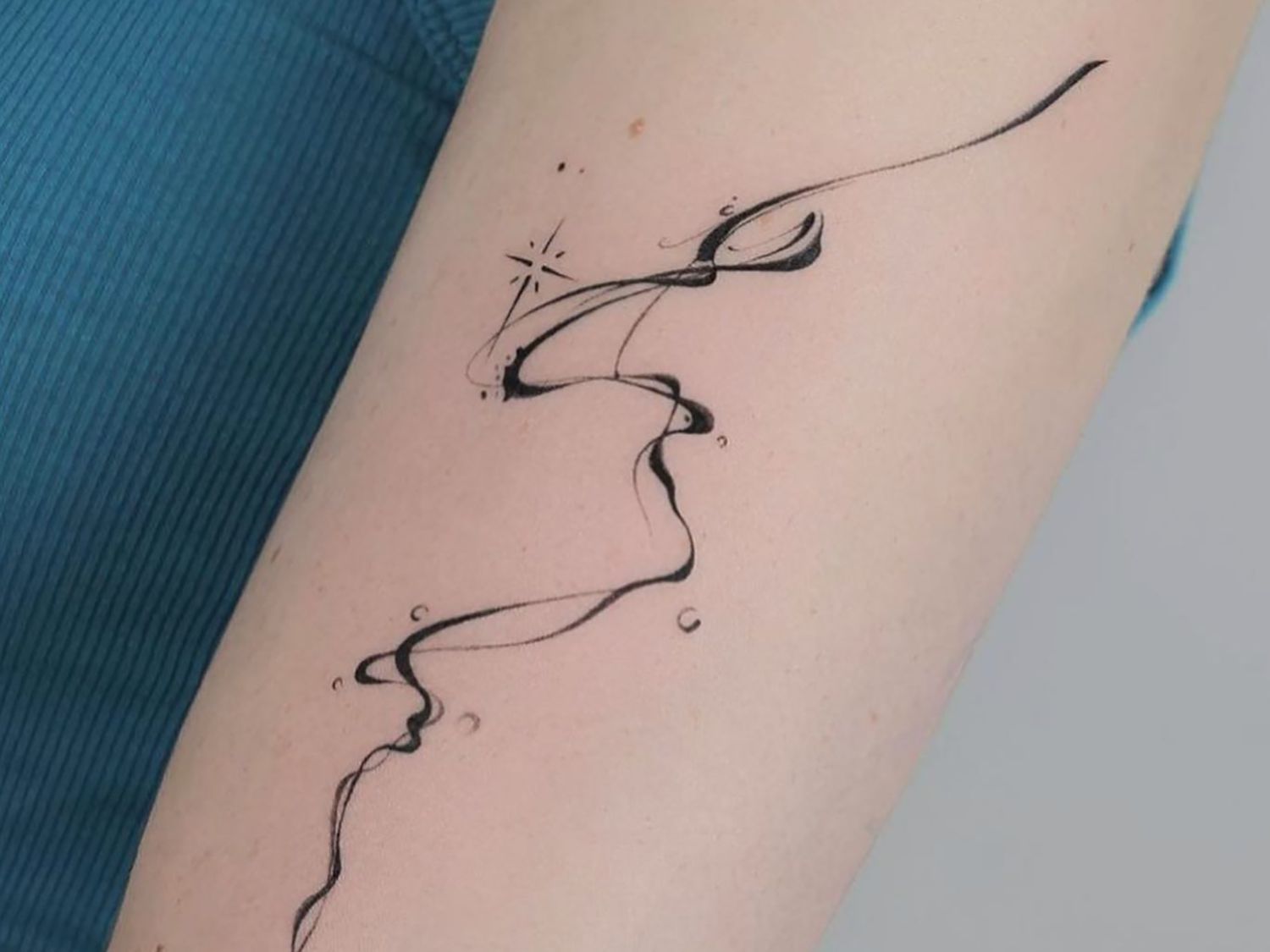
Ask to see the ink caps and needle cartridges before the artist touches your skin. Reusing any single-use item is a red flag for infection, which leads to scarring and costly medical treatment. Ensure the artist opens new, sealed packaging in front of you.
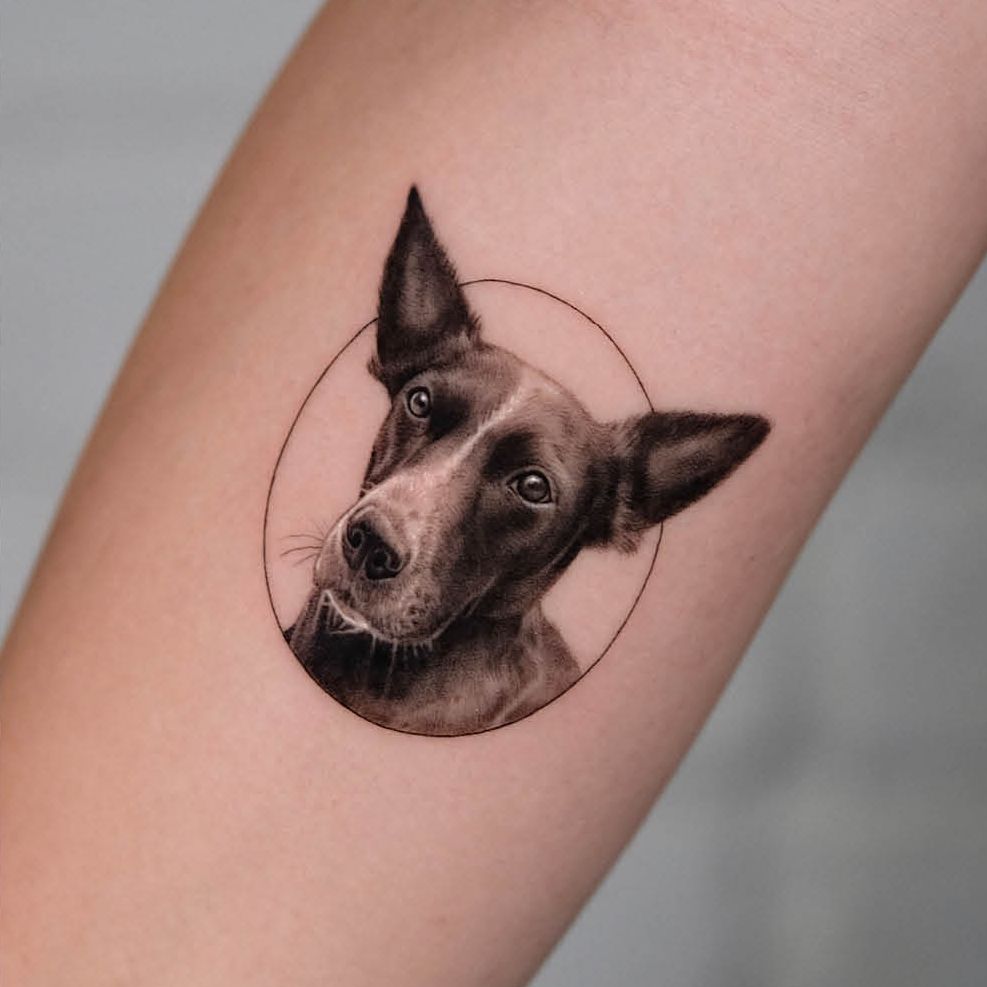
High-friction areas like fingers, feet, and joints cause ink to fade or blur quickly. A skilled artist will advise against permanent designs in these zones or suggest bolder styles that age better. Poor placement often results in the need for expensive touch-ups or complete removal within a few years.
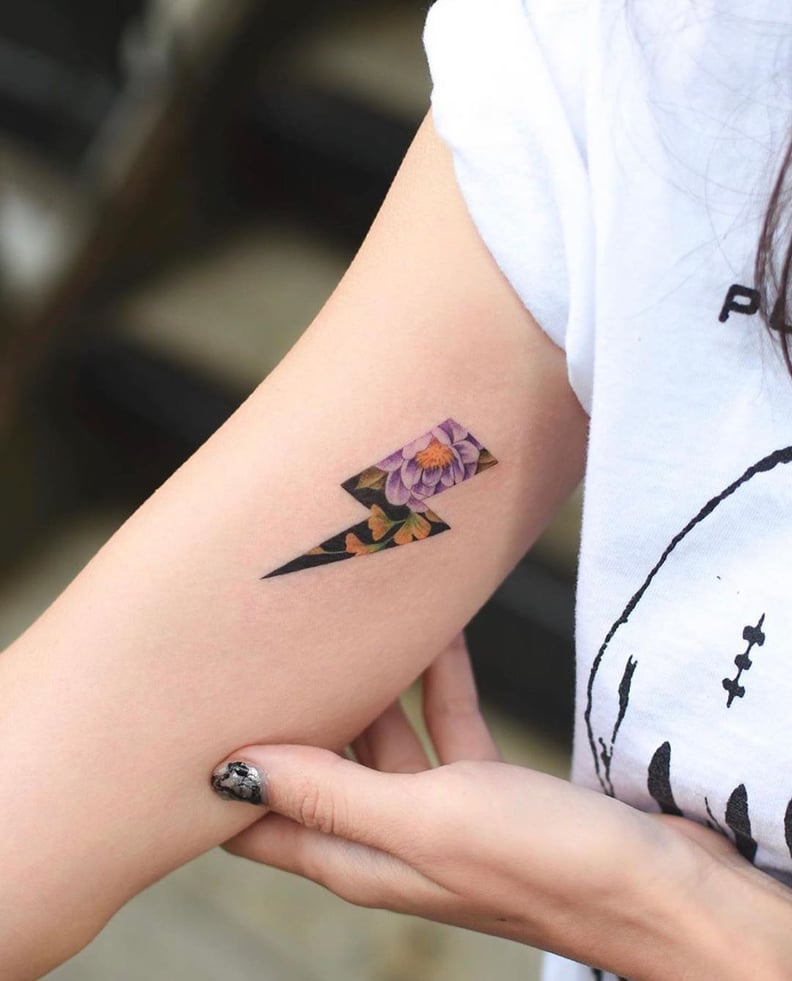
Fresh ink looks sharp, but healed work reveals the true quality of the artist’s technique. Look for consistent line weights and clean shading in healed photos. If the artist only shows fresh work, ask for healed examples to avoid paying for a design that will blur or migrate over time.
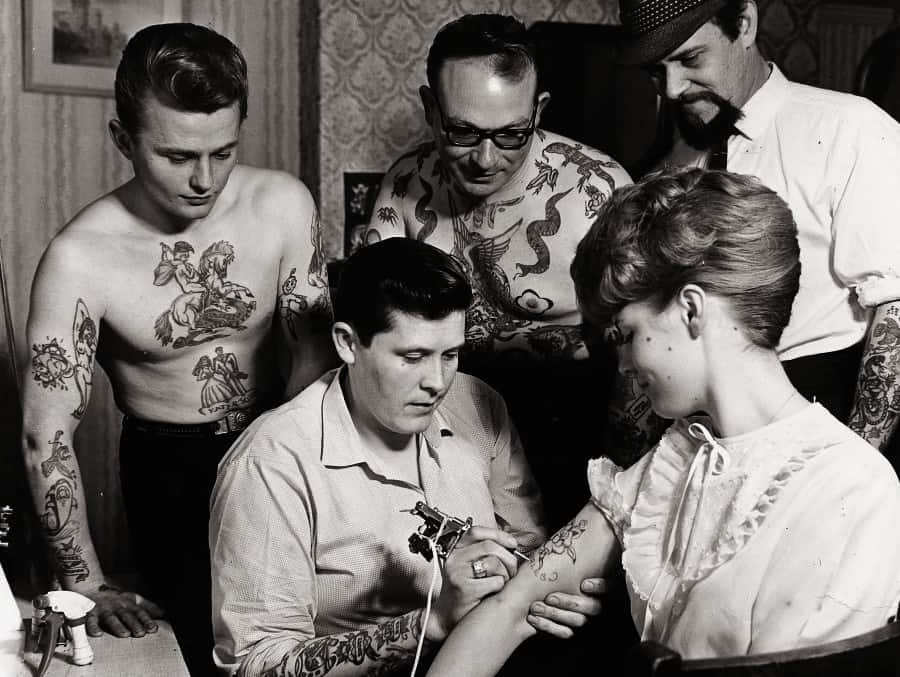
Some shops sell proprietary aftercare balms, while others recommend simple, accessible options like unscented lotion. Be wary of artists who insist on expensive, branded aftercare kits as a condition of service. Standard, dermatologist-approved aftercare is usually sufficient and much cheaper in the long run.
Plan for ownership costs
A tattoo is a long-term asset, not a one-time expense. The initial price covers the artist’s time and skill, but the ink itself requires care to stay legible and vibrant. Ignoring maintenance turns a $300 piece into a $300 headache, especially as trends shift toward fine-line work and detailed illustrative styles that show age faster than bold traditional blocks.
Budget for aftercare supplies upfront. High-quality, fragrance-free ointments and gentle soaps are non-negotiable for the first two weeks of healing. Cheap alternatives often contain irritants that cause scabbing or color loss, forcing you to pay for corrective touch-ups later. Think of these supplies as part of the purchase price, not an optional add-on.
When a cheap buy stops being cheap
The lowest hourly rate rarely delivers the best result. Cheap artists often rush sessions, leading to shallow ink placement that fades quickly or requires expensive rework. In 2026, as trends like engraving and woodcut styles demand precise line work, the cost of poor execution is high. You may save money initially, but the long-term cost of fixing botched details outweighs the initial savings.
Consider the total cost of ownership: initial session, aftercare products, potential touch-ups, and future removal if you change your mind. Removal is significantly more expensive and painful than getting it right the first time. Investing in a reputable artist who uses high-quality ink and proper technique ensures your tattoo ages gracefully, preserving its value as a piece of art rather than a regret.


As an Amazon Associate, we may earn from qualifying purchases.
2026 tattoo trends: what to check next
Before booking your appointment, it helps to know what’s actually moving in the industry and what it costs. Here are the practical answers to the most common questions about 2026 tattoo trends.
No comments yet. Be the first to share your thoughts!