
How to pick an ink destination
Choosing the right tattoo shop is less about browsing Instagram feeds and more about verifying operational standards. A destination ink shop should prioritize hygiene above all else. Look for visible health department ratings, single-use needles, and autoclave sterilization processes. If a studio’s cleanliness isn’t immediately apparent or the staff is vague about their protocols, it’s time to look elsewhere.
Beyond hygiene, evaluate the artist’s portfolio for consistency and specialization. Not all artists excel at every style. If you want traditional American ink, don’t hire a specialist in fine-line botanical work. Review their recent work to ensure their aesthetic aligns with your vision. Shops like Destination Ink in Portland are often cited for their clean environments, but always verify current practices directly with the studio.
Pricing is another critical factor. Hourly rates typically range from $80 to over $300, depending on the artist’s reputation and location. A rate of $200 per hour sits in the mid-to-upper professional range, reflecting experience and skill. Be wary of shops that offer unusually low prices, as this may indicate inexperience or compromised materials. Always ask for a quote before booking.
Finally, consider the shop’s atmosphere and communication. A good studio will answer your questions clearly and make you feel comfortable. Read reviews from past clients to gauge their experience. Remember, a tattoo is a long-term commitment, so take the time to find a destination that meets your standards for art and safety.
Top tattoo shops by style
Choosing an ink destination means matching your body art to a shop’s specific artistic DNA. While some studios excel at bold American Traditional, others specialize in photorealism or intricate blackwork. The right shop doesn’t just apply ink; it understands the history and technical demands of the style you want. Below are concrete examples of established parlors that define their local scenes through specialized expertise.
Traditional and Neo-Traditional
Destination Ink in Hillsboro, Oregon, represents a solid anchor for classic styles. This shop maintains a consistent schedule, open seven days a week, which speaks to a high-volume approach typical of traditional tattooing. Their focus on accessible, timeless designs makes them a reliable ink destination for those seeking bold lines and saturated colors. Similarly, Destination Ink in Leon, Iowa, operated by Tyler Reed, brings a strong social media presence to the traditional genre. With a substantial following, Reed’s work highlights the community-driven nature of neo-traditional art, where distinct character and clean shading are prioritized over experimental techniques.
Realism and Fine Line
For clients seeking photorealistic portraits or delicate fine-line work, location and artist specialization are critical. Ryan Ashley’s Elysium Studios in Grand Junction, Colorado, offers a unique environment for realism enthusiasts. Housed in a restored church, the studio hosts both resident and guest artists, often drawing talent from the Ink Master circuit. This rotation brings high-level technical skill to the space, allowing clients to access top-tier realism artists who understand skin texture and lighting. The venue itself acts as a canvas, setting a tone of precision and reverence for the craft.
Blackwork and Custom Illustration
Inksmith Tattoo in Colorado serves as a hub for clients interested in custom blackwork and detailed illustrative pieces. The shop emphasizes award-winning tattooers who prioritize custom design over pre-drawn flash. This approach ensures that blackwork pieces—often characterized by heavy saturation, geometric patterns, or intricate dotwork—are tailored to the client’s anatomy. The integration of professional piercing services alongside tattooing also suggests a holistic approach to body modification, catering to clients who want cohesive, high-quality work across different types of body art.
Comparing Top Shops by Style
The table below outlines key differences between these ink destinations, helping you narrow down your choice based on location, style specialization, and operational model.
| Shop | Primary Style | Location | Operational Model |
|---|---|---|---|
| Destination Ink | American Traditional / Neo-Traditional | Hillsboro, OR & Leon, IA | High-volume, open 7 days |
| Elysium Studios | Realism / Fine Line | Grand Junction, CO | Guest + Resident Artists |
| Inksmith Tattoo | Blackwork / Custom Illustration | Colorado | Custom Design Focused |
What artists say about their shops
Finding the right ink destination means listening to the people who actually spend their days behind the needle. Artists prioritize hygiene, workflow, and equipment reliability over flashy decor. When a shop like Destination Ink in Hillsboro, Oregon, is repeatedly flagged for being "probably the cleanest tattoo place I've ever seen," that’s a strong signal for clients seeking a low-risk environment.
Beyond sanitation, the community vibe plays a huge role in how comfortable you feel during a long session. Clients and artists alike value shops that foster a respectful, collaborative atmosphere. This is why many enthusiasts turn to platforms like Reddit to read unfiltered experiences about specific studios.
When evaluating a shop, look for consistency in client feedback. A high volume of positive reviews about cleanliness and artist skill is a better indicator of quality than a single viral post. Always check recent reviews to ensure the shop maintains its standards over time.
Aftercare essentials and supplies
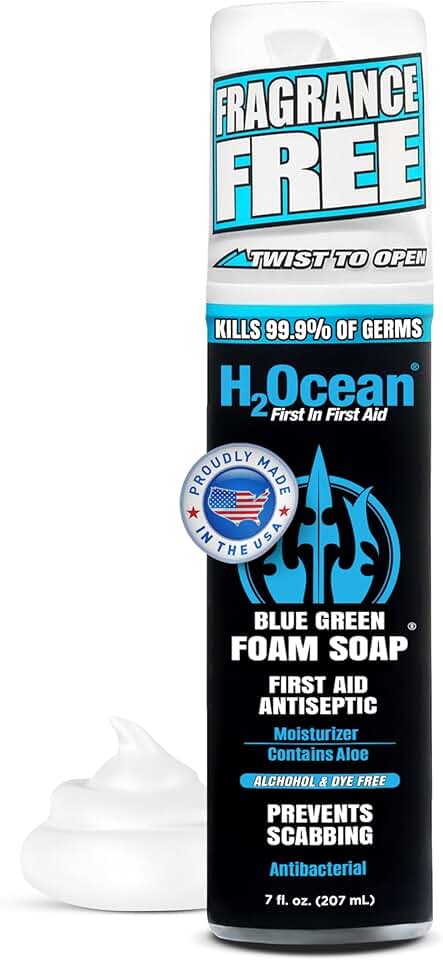
Your ink destination matters, but the products you use at home determine how well that art lasts. Treating a fresh tattoo like an open wound is outdated; modern artists recommend gentle cleansing and consistent moisturizing to keep the skin barrier intact. Using the right supplies from day one prevents scabbing, fading, and infection.
Start with a fragrance-free, antibacterial soap for washing. Avoid harsh soaps or loofahs that can scrub away pigment. For moisturizing, look for thin, breathable lotions rather than thick ointments after the first few days. Heavy ointments can suffocate the skin, while light lotions allow it to breathe and heal evenly.
These are the core items most artists recommend keeping on hand during the two-week healing window.


As an Amazon Associate, we may earn from qualifying purchases.
Avoid petroleum jelly and products with added dyes or heavy fragrances. These can trap bacteria and irritate the fresh ink. Stick to the basics: gentle cleaning, light moisturizing, and protection from the sun.
Common questions about tattoo shops
Picking an ink destination involves more than just finding a cool parlor. You need to know where the best artists are based and what to expect for pricing. Here are answers to the most frequent questions from people searching for tattoo shops in 2026.
Where is Ryan Ashley's tattoo shop located?
Ryan Ashley, a well-known Ink Master competitor, owns Elysium Studios in Grand Junction, Colorado. The shop is housed in a restored church, offering a unique atmosphere for her custom work. She runs the studio with her husband, hosting both resident artists and guests based on her industry connections [1].
Is $200 per hour a lot for a tattoo?
An hourly rate of $200 falls comfortably in the mid-to-upper professional range. Tattoo pricing typically spans from $80 to over $300 per hour, depending on location and artist reputation. For a skilled artist in a major ink destination, $200 is a standard rate rather than an extreme premium [2].
How do I book a consultation with a top-tier artist?
Most elite tattoo shops require a consultation before booking. This step ensures the artist understands your design and that the placement fits your anatomy. You can often find contact details or booking links on the shop's official social media pages or website. For example, Destination Ink lists their custom art services on their Facebook page [3].
No comments yet. Be the first to share your thoughts!