

What makes a good ink destination kit
Choosing the right ink destination kit requires looking beyond the price tag. A quality starter set prioritizes safety and completeness, ensuring you have everything needed for a sterile procedure without buying individual items. The best kits bundle professional-grade supplies that are travel-friendly and easy to use, making them ideal for beginners who want to avoid the hassle of sourcing components separately.
Safety is the non-negotiable foundation of any tattoo kit. You must always use single-use, sterile needles. Never reuse tattoo needles, as this poses severe health risks. Reputable kits provide individually wrapped, autoclaved needles and tubes, ensuring that every point of contact with your skin is clean and safe for use.
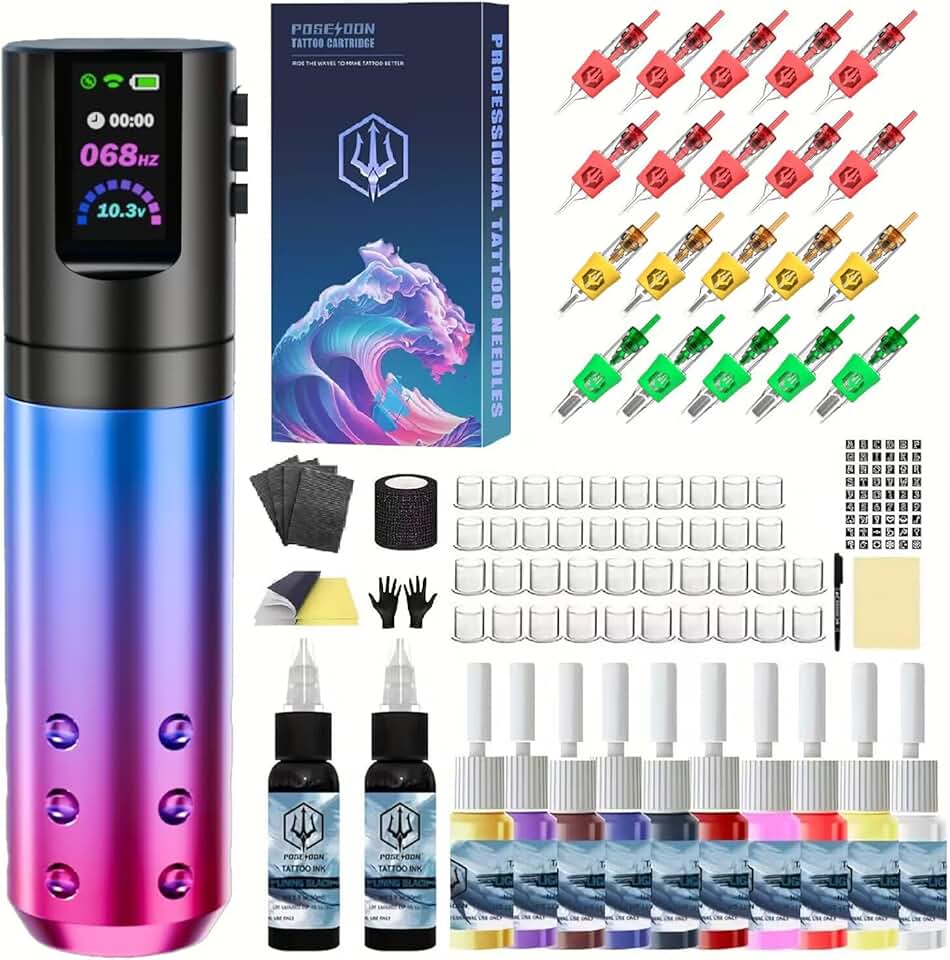
A comprehensive kit should include high-pigment inks, a reliable power supply, a foot pedal, and all necessary grip accessories. It should also contain essential aftercare items like green soap and plastic wrap. This completeness allows you to set up a functional workspace anywhere, whether you are at home or traveling. The goal is to have a self-contained system that supports both the technical application and the hygiene standards required for professional results.
When evaluating options, check the brand reputation and the clarity of the included instructions. A good kit simplifies the learning curve by providing all necessary tools in one package. This reduces the risk of missing critical components and helps you focus on mastering the technique rather than troubleshooting equipment gaps.
Top ink destination starter kits compared
Choosing the right beginner tattoo kit depends on balancing budget with the quality of included components. A reliable starter kit should provide a functional pen-style machine, sterile needles, and a color palette that covers the basics without overwhelming a new artist.
The table below compares three popular options based on needle configuration, ink variety, and overall value. These selections prioritize safety standards and ease of use for those new to the craft.
| Kit Name | Needle Type | Ink Variety | Best For |
|---|---|---|---|
| Standard Beginner Set | 1-3 RL | 3-5 colors | Budget-conscious learners |
| Pro Starter Kit | 1-5 RL/RM | 7-9 colors | Intermediate beginners |
| All-in-One Box | 1-7 RL/RM/CM | 12+ colors | Comprehensive practice |
When evaluating these kits, look beyond the price tag. The quality of the grip, the stability of the power supply, and the opacity of the inks are critical for learning proper technique. Always ensure the kit includes individually wrapped, sterile needles to maintain hygiene standards from day one.
Essential accessories for your ink destination setup
A basic tattoo kit provides the core machinery, but achieving a professional, safe result requires a specific ecosystem of accessories. These add-ons handle hygiene, ink management, and workflow efficiency. Skipping them often leads to messy setups, contaminated ink, or interrupted sessions.
Hygiene and barrier essentials
Professional tattooing is non-negotiable when it comes to bloodborne pathogens. You need heavy-duty, latex-free nitrile gloves in multiple sizes to ensure a secure fit that doesn’t tear during long sessions. Pair these with barrier films for your tattoo machine, power supply, and foot pedal. These clear plastic wraps prevent ink and blood from contaminating your electronics, making cleanup fast and safe.
Sterile barrier bags for your ink caps are also critical. Instead of dipping directly into ink bottles, pour pigment into sterile caps, then wrap the cap in a barrier bag until use. This simple step prevents cross-contamination and keeps your workspace sterile.
Ink management tools
Ink caps are the workhorses of your setup. Use small, sterile plastic caps to hold pigment during the session. They allow for easy mixing and consistent color flow. Avoid reusing caps or dipping directly into the main bottle, which introduces bacteria and dries out the pigment.
A good ink bottle with a secure, leak-proof cap is equally important. Look for bottles made of high-quality glass or durable plastic that won’t shatter if dropped. Some artists prefer bottles with built-in droppers for precise control, while others use standard squeeze bottles for faster coverage.
Workflow and comfort accessories
A sturdy, adjustable tattoo machine stand keeps your equipment secure and within reach. It prevents accidental drops and allows you to adjust the height for ergonomic comfort during long sessions. Without a stand, your machine becomes a hazard on the work surface.
A high-quality, portable stool or chair is essential for your own comfort. Tattooing requires stillness and focus; sitting on an unstable surface leads to fatigue and shaky hands. Choose a stool with good lumbar support and a non-slip base to maintain stability throughout the session.
Quick checklist for your setup
-
Latex-free nitrile gloves (multiple sizes)
-
Barrier film for machine, power supply, and foot pedal
-
Sterile ink caps
-
Leak-proof ink bottles
-
Adjustable machine stand
-
Ergonomic, non-slip stool
These accessories transform a basic kit into a professional-grade station. They prioritize safety, efficiency, and comfort, ensuring you can focus on the art rather than managing a chaotic workspace.
Where to buy ink destination supplies safely
Buying tattoo equipment online requires a strict filter for authenticity. The market is flooded with counterfeit inks and unsterilized machines that pose serious health risks. Stick to established, professional-grade suppliers that source directly from manufacturers. Avoid general marketplaces where third-party sellers may store products in improper conditions, compromising ink integrity and machine sterility.
Reputable online retailers
Professional tattoo supply stores are the safest bet for beginners. These retailers specialize in body art materials, ensuring that every product meets industry safety standards. Look for vendors that provide detailed product origins and batch information. This transparency is your first line of defense against counterfeit goods.
Physical tattoo supply shops
Visiting a local tattoo supply store offers an immediate advantage: you can inspect the packaging and sterility seals before purchasing. Staff at these shops are often experienced artists who can advise on equipment compatibility and safety protocols. Building a relationship with a local supplier can also provide access to future training or community resources.
Manufacturer direct channels
For specific brands like Destination Ink, purchasing directly from the manufacturer’s official website guarantees authenticity. This channel eliminates the risk of middlemen handling your supplies. It also ensures you receive the latest product formulations and safety data sheets, which are essential for informed usage.


As an Amazon Associate, we may earn from qualifying purchases.
Common questions about tattoo starter kits
Starting your tattoo journey involves more than just buying a machine. Beginners often ask about the hidden costs, legal restrictions, and daily upkeep required to stay safe and compliant. Here are the most frequent questions about using home tattoo kits.
How much does a beginner kit cost?
A reliable starter kit typically ranges from $100 to $300. This price usually covers the machine, power supply, grips, and a basic set of inks. Avoid ultra-cheap options under $50, as they often lack the safety certifications needed for sterile work. The investment in quality gear protects your skin and ensures better results.
Is it legal to tattoo at home?
Laws vary significantly by state and country. In many jurisdictions, performing tattoos on anyone other than yourself is illegal without a licensed studio and health department permit. Always check your local health department regulations before setting up a workspace. Operating without a license can result in heavy fines and criminal charges.
How do I maintain my equipment?
Proper maintenance extends the life of your gear and prevents cross-contamination. Clean your machine with disinfectant after every session, and sterilize all reusable parts in an autoclave. Replace needles and grips after each use; never reuse single-use items. Store your equipment in a clean, dry place to prevent rust and electrical issues.
No comments yet. Be the first to share your thoughts!