
Moving beyond the flash book
Tattooing has moved past flipping through binders of flash. While pre-drawn designs are still around, most people now want custom work that requires a higher level of technical skill. You have to do more homework now than you did ten years ago.
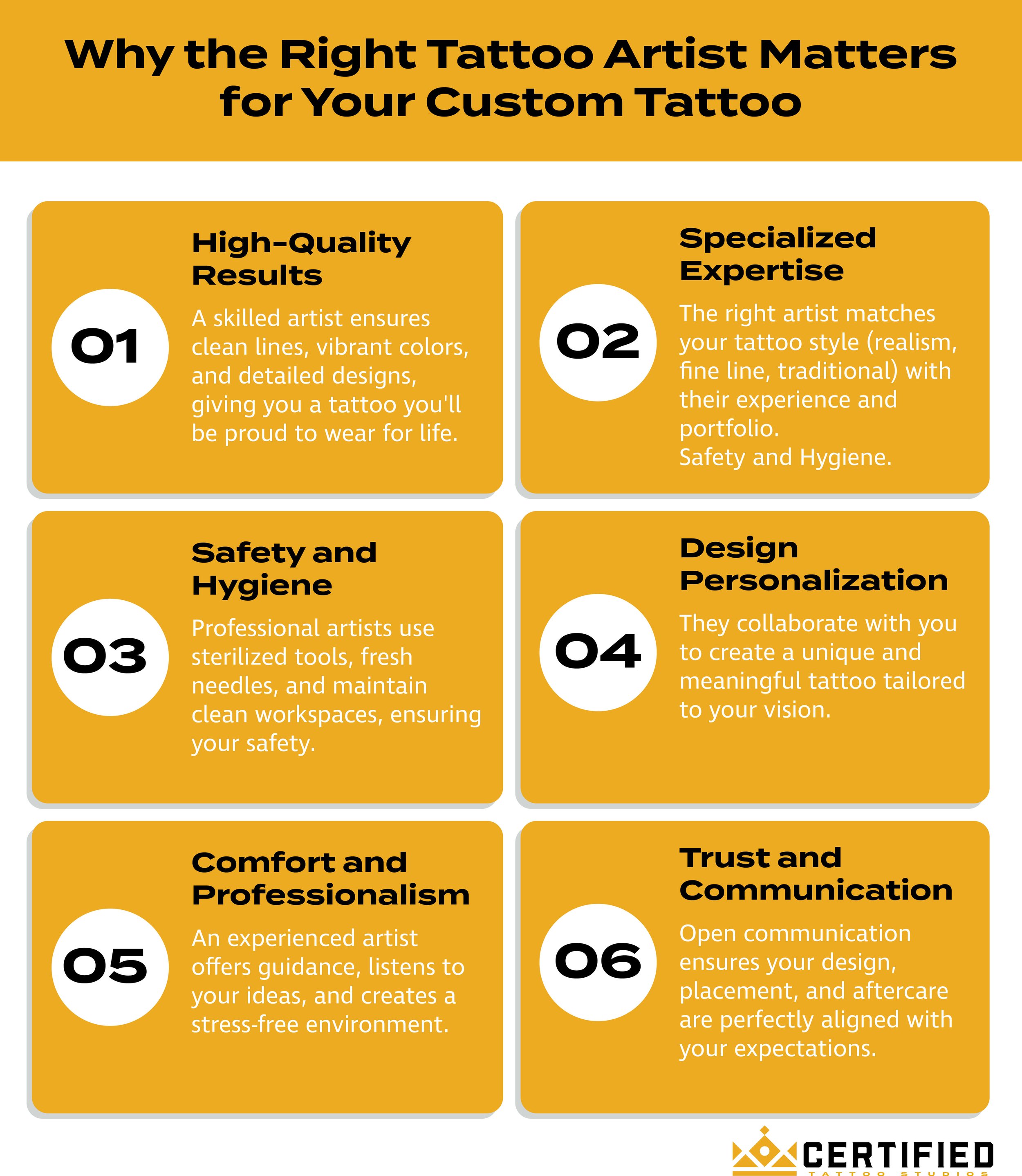
Hygiene is paramount, obviously, but it’s not the only thing. Specialization is becoming a huge factor. Artists are honing in on specific styles – realism, geometric, traditional Japanese, and so on – and becoming really good at them. You wouldn’t go to a general practitioner for brain surgery, would you? The same logic applies here.
Informed decision-making is key. Don’t just walk into the first shop you see. Take the time to research artists, review their portfolios, read reviews, and understand their safety protocols. Finding the right artist is as important as the tattoo itself. It’s about ensuring a safe, comfortable, and ultimately satisfying experience.
I’ve seen too many people rush into tattoos and end up regretting it. A well-executed tattoo is a piece of art you’ll carry with you for life. It deserves careful consideration and a thoughtful approach. This guide is designed to equip you with the knowledge you need to make the best choice.
How to read a portfolio
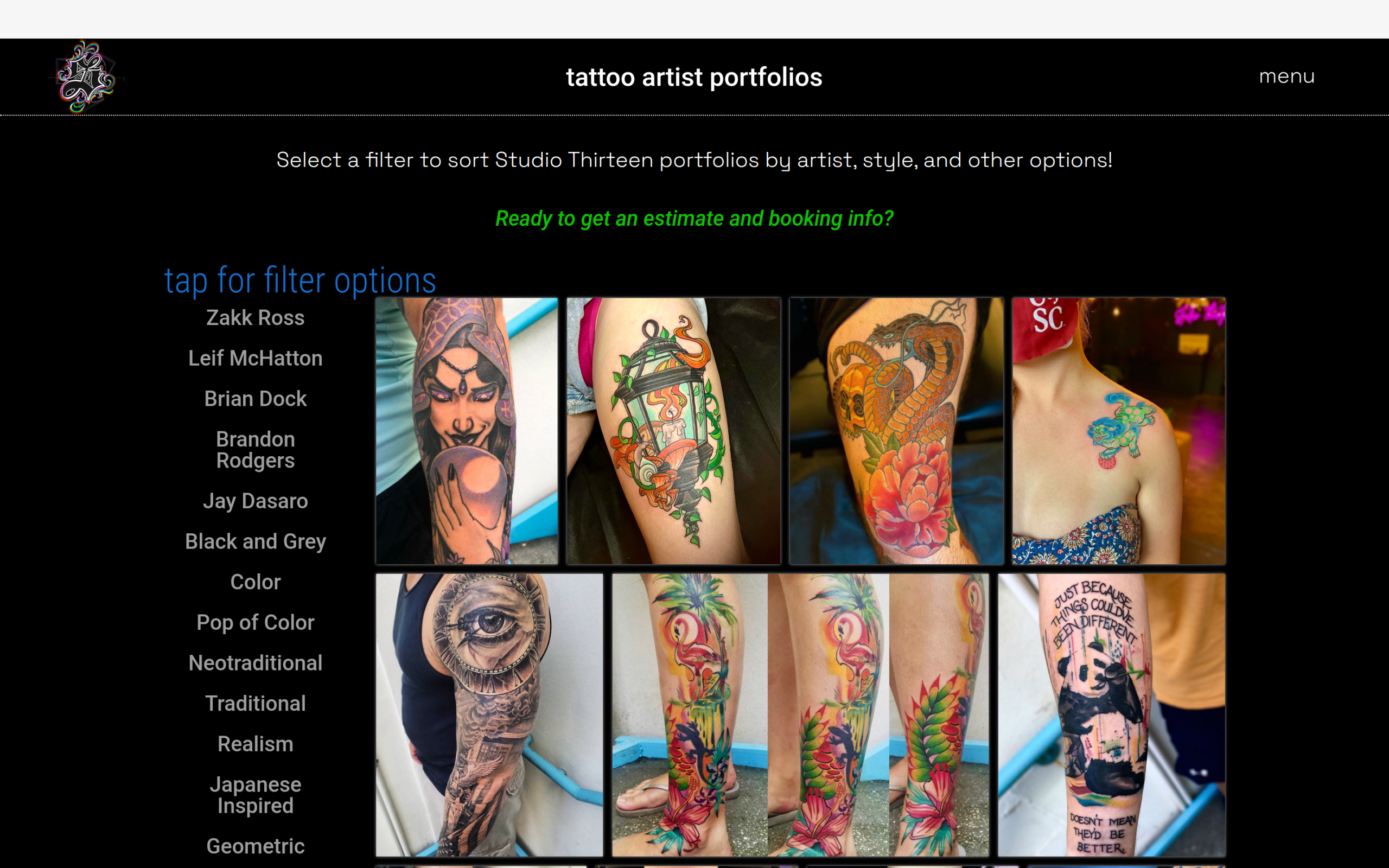
A tattoo artist’s portfolio is your first real glimpse into their skill and style. But simply liking a few pictures isn’t enough. You need to look beyond the initial aesthetic appeal and critically assess the quality of their work. Consistency is huge. Does the artist produce consistently good work, or are there noticeable variations in quality?
Check the line work for wobbles or breaks. Lines should be even and consistent. For color, look for solid packing rather than patchy or faded spots. I also check if they show work on different skin tones; ink behaves differently depending on the canvas, and a lack of variety is usually a sign of inexperience.
I always look for healed photos in a portfolio. Fresh tattoos always look good, but healed photos show you how the tattoo will actually look months or years down the line. This gives you a realistic expectation of the final result. Beware of portfolios filled only with perfectly lit, freshly done tattoos.
Red flags include blurry photos, inconsistent quality, a lack of healed photos, and a limited range of work. If an artist only shows one style, it might indicate they’re not versatile. A good artist should be able to adapt their skills to different designs and skin types. I personally create a checklist every time: Line weight, color vibrancy, healed results, variety of designs, and overall cleanliness of the work.
- Line work: Look for consistent weight without blowouts or shaky edges.
- Saturation: Vibrant and fully saturated colors.
- Healed Photos: Demonstrates long-term results.
- Variety of Designs: Shows versatility.
- Cleanliness: Overall quality and presentation.
Spotting fake reviews
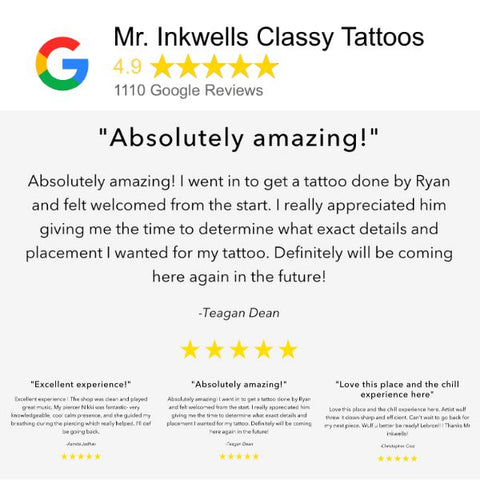
Online reviews are incredibly valuable, but you have to approach them with a healthy dose of skepticism. Unfortunately, reviews can be easily manipulated. Fake reviews are a real problem, and it’s important to be able to spot them. Look for reviews that are overly generic or overly enthusiastic – these are often red flags.
Legitimate reviews will be detailed and specific, mentioning specific aspects of the experience – the artist’s skill, the studio’s cleanliness, the overall atmosphere. Pay attention to reviews that describe both the positive and negative aspects of the experience. No one is perfect, and a truly honest review will acknowledge both.
TattooRate is designed to provide a trustworthy platform for tattoo reviews, but other platforms like Google Reviews and Yelp can also be helpful. Just be sure to read a large sample of reviews and look for patterns. I always cross-reference reviews from multiple sources.
Don’t dismiss negative reviews out of hand. They can provide valuable insights into potential issues. But also consider the context of the review. Was the complaint legitimate? Was the reviewer being reasonable? Sometimes, a negative review simply reflects a mismatch between the artist’s style and the client’s expectations.
- FAQ: What are the key things to look for in online reviews?
- Answer: Detail, specificity, and a balance of positive and negative feedback.
Why you need a specialist
This is where things get really focused. Not all tattoo artists excel at all styles. Some specialize in realism – creating incredibly lifelike portraits or scenes. Others are masters of traditional tattooing, with its bold lines and classic imagery. Still others focus on watercolor, geometric, Japanese, or blackwork.
Trying to get a realistic portrait from an artist who specializes in traditional tattooing is likely to end in disappointment. You need to find an artist whose skills and style align with your vision. This isn't about being picky; it's about maximizing your chances of getting a tattoo you'll love.
How do you identify an artist’s specialization? Look closely at their portfolio. What styles do they consistently produce? What are they best at? Do they have a distinct aesthetic that runs through their work? A strong specialization will be immediately apparent. For example, if you want a delicate watercolor piece, look for an artist with a portfolio full of soft washes and blended colors.
Different styles require different skill sets. Realism demands a mastery of shading and detail. Traditional tattooing requires a strong understanding of line work and color saturation. Japanese tattooing requires a deep knowledge of symbolism and composition. Finding an artist who understands the nuances of your chosen style is crucial. I've seen amazing work come from artists who really own a particular aesthetic.
Studio Hygiene & Safety: Non-Negotiables
This is non-negotiable. A reputable tattoo studio should adhere to the highest standards of hygiene and safety. This includes proper sterilization procedures for all equipment, the use of single-use disposable needles and tubes, and proper waste disposal. Don't be afraid to ask questions about their sterilization process.
The studio should be clean and well-maintained, with a professional and organized atmosphere. The artist should wear gloves and a mask throughout the entire procedure. They should also use a fresh razor for shaving the area to be tattooed. Look for an autoclave – a machine used to sterilize equipment using high-pressure steam.
Ensure the artist is properly licensed and certified. Licensing requirements vary by state, so check with your local health department to verify the artist’s credentials. A legitimate artist will be happy to provide proof of their licensing and certifications. If they hesitate, that’s a major red flag.
I always ask about aftercare instructions. A good artist will provide detailed aftercare instructions and be available to answer any questions you have. They should also use high-quality inks and balms. Don't compromise on safety – your health is too important.
- Sterilization: Proper autoclave use and disposable equipment.
- Cleanliness: A well-maintained and organized studio.
- Licensing: Verified artist credentials.
- Aftercare: Detailed instructions and ongoing support.
Cost Breakdown: What to Expect to Pay
Tattoo prices can vary wildly depending on several factors: the artist’s experience and reputation, the complexity of the design, the size of the tattoo, and the location of the studio. Generally, you’ll encounter two main pricing models: hourly rate and flat rate.
Most artists charge between $100 and $300 per hour. Some prefer a flat rate for the whole piece, which helps if you're on a strict budget. Shops in high-rent cities like Los Angeles or New York often won't list prices online because custom work varies so much by detail and placement.
Smaller, simpler tattoos can cost as little as $50 or $100, while larger, more complex tattoos can easily run into the hundreds or even thousands of dollars. Expect to pay a premium for highly detailed realism or custom designs. Don't be afraid to ask for a quote before committing to a tattoo.
Tipping is customary in the tattoo industry. A tip of 15-20% is generally considered appropriate for good service. Remember, the artist has spent a significant amount of time and effort creating your tattoo. It’s a gesture of appreciation for their skill and dedication.
- Hourly Rate: $100 - $300+ (variable).
- Flat Rate: Fixed price for the entire tattoo.
- Small Tattoos: $50 - $100+
- Large, Complex Tattoos: $500+
- Tipping: 15-20% is customary.
Tattoo Pricing Factors
| Cost Range | Artist Experience Level | Design & Size Characteristics |
|---|---|---|
| Low Cost | New/Apprentice | Simple flash designs, small size (under 2 inches), limited color or blackwork only. |
| Low Cost | Junior Artist | Basic designs, small to medium size (2-4 inches), primarily black and grey, minimal shading. |
| Medium Cost | Mid-Level Artist | Custom designs, medium size (4-6 inches), moderate detail, some color work, average complexity. |
| Medium Cost | Experienced Artist | More complex designs, medium to large size (6-8 inches), good detail, balanced color/blackwork, some revisions. |
| High Cost | Highly Experienced/Specialized Artist | Large, intricate custom designs (8+ inches), significant color work, high detail, multiple sessions potentially required. |
| High Cost | Celebrity/In-Demand Artist | Highly sought-after artists, complex and unique designs, large scale, extensive revisions, potentially long wait times. |
| Medium Cost | Experienced Artist | Location impacts price; areas like ribs, stomach, or inner arm may incur higher costs due to difficulty. |
Illustrative comparison based on the article research brief. Verify current pricing, limits, and product details in the official docs before relying on it.
Red Flags: When to Walk Away
Trust your gut. If something feels off, it probably is. There are certain red flags that should immediately raise concerns. If an artist is unwilling to answer your questions or seems dismissive of your concerns, that’s a bad sign.
A dirty or unorganized studio is a major red flag. As previously discussed, hygiene is paramount. If the studio appears unclean, it’s a clear indication that they’re not taking safety seriously. Also, be wary of artists who pressure you into a design you’re not comfortable with.
Suspiciously low prices should also raise concerns. Quality work takes time and skill, and artists need to be compensated fairly. If a price seems too good to be true, it probably is. Finally, avoid artists who offer generic designs or claim to be able to do any style flawlessly.
Don’t be afraid to walk away. You’re investing your time, money, and body in this process. You deserve to work with an artist who is professional, skilled, and respectful. It’s better to wait and find the right artist than to rush into a tattoo you’ll regret.
- Unanswered Questions: Artist is dismissive or uncooperative.
- Unclean Studio: Poor hygiene and organization.
- Pressure Tactics: Forcing a design you dislike.
- Cheap rates: If a large piece is priced like a lunch special, the artist is likely cutting corners on safety or quality.
- Lack of Specialization: Claims to master all styles.
Essential Tattoo Aftercare Products for Your New Ink

100% Vegan · Heals and Protects New Tattoos · Rejuvenates Older Tattoos
This essential aftercare product will help ensure your new tattoo heals properly and maintains its vibrancy.
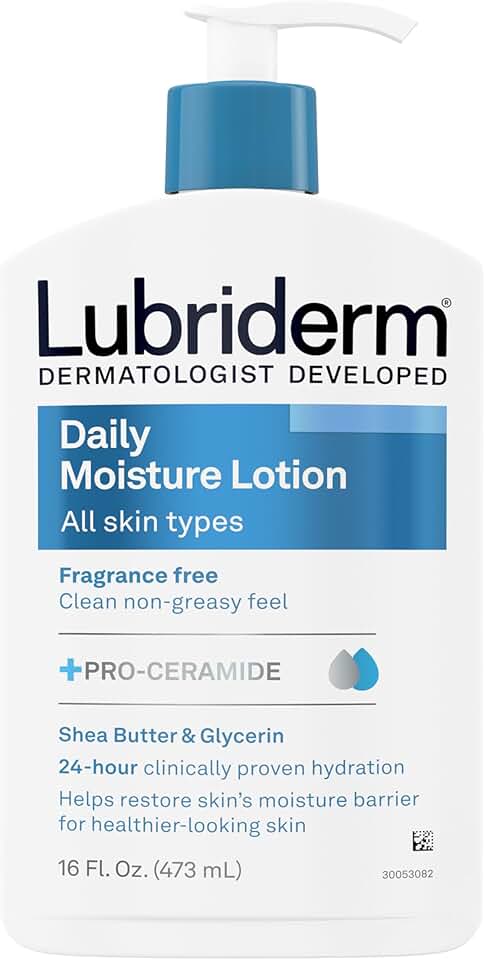
Fragrance-Free · Contains Pro-Ceramide, Shea Butter & Glycerin · For Sensitive Skin
This essential aftercare product will help ensure your new tattoo heals properly and maintains its vibrancy.
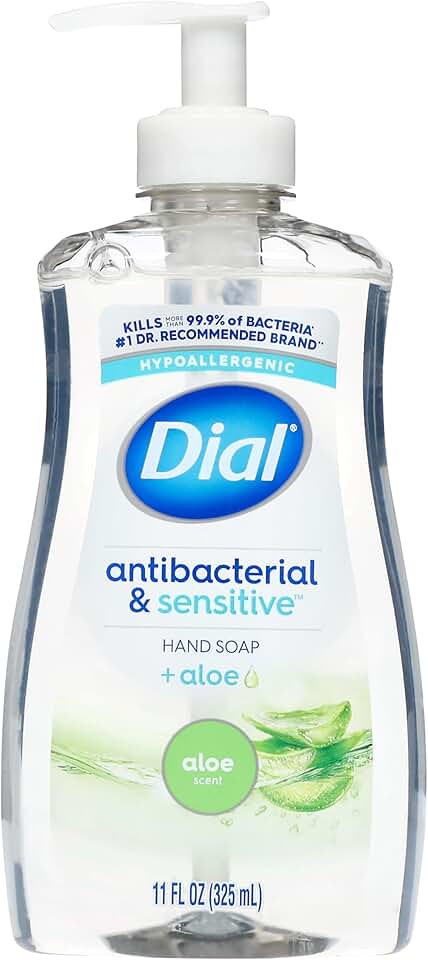
Antibacterial Formula · Infused with Aloe · Gentle Cleansing
This essential aftercare product will help ensure your new tattoo heals properly and maintains its vibrancy.

SPF 30 Broad Spectrum · Moisturizing with Vitamin E · Hawaii 104 Act Compliant
This essential aftercare product will help ensure your new tattoo heals properly and maintains its vibrancy.
As an Amazon Associate I earn from qualifying purchases. Prices may vary.
No comments yet. Be the first to share your thoughts!