

Ink's environmental footprint
For a long time, the conversation around tattoos focused on the art itself. But it’s becoming increasingly clear that traditional tattoo ink isn’t exactly eco-friendly. We’re starting to look at the whole picture, from the pigments used to the waste generated, and it’s prompting a real shift in the industry. This isn’t about pointing fingers, but acknowledging that there's room for improvement.
Most traditional tattoo inks are complex mixtures. They contain pigments—the color itself—a carrier to keep the pigment flowing, and stabilizers to maintain consistency. The environmental concerns arise in each of these components. Many pigments historically relied on heavy metals, like mercury sulfide for red, which are obviously problematic. Even modern pigments can contain materials sourced in ways that aren't sustainable.
The carriers often contain plastics, and while they’re designed to deliver the pigment into the skin, those plastics don’t just disappear. They remain there. Sourcing of ingredients is another concern; some pigments rely on materials mined in ways that damage ecosystems or exploit labor. It's a complex web, and while the amount of ink used in a single tattoo is small, the cumulative effect of millions of tattoos adds up. I think people are realizing that even something as personal as a tattoo has an environmental impact.
Regulations regarding ink composition vary wildly. In many regions, there is zero oversight, which means artists often use inks with heavy metals or unsustainably sourced ingredients without knowing it. This lack of transparency is driving the demand for better options, and the industry is slowly responding.
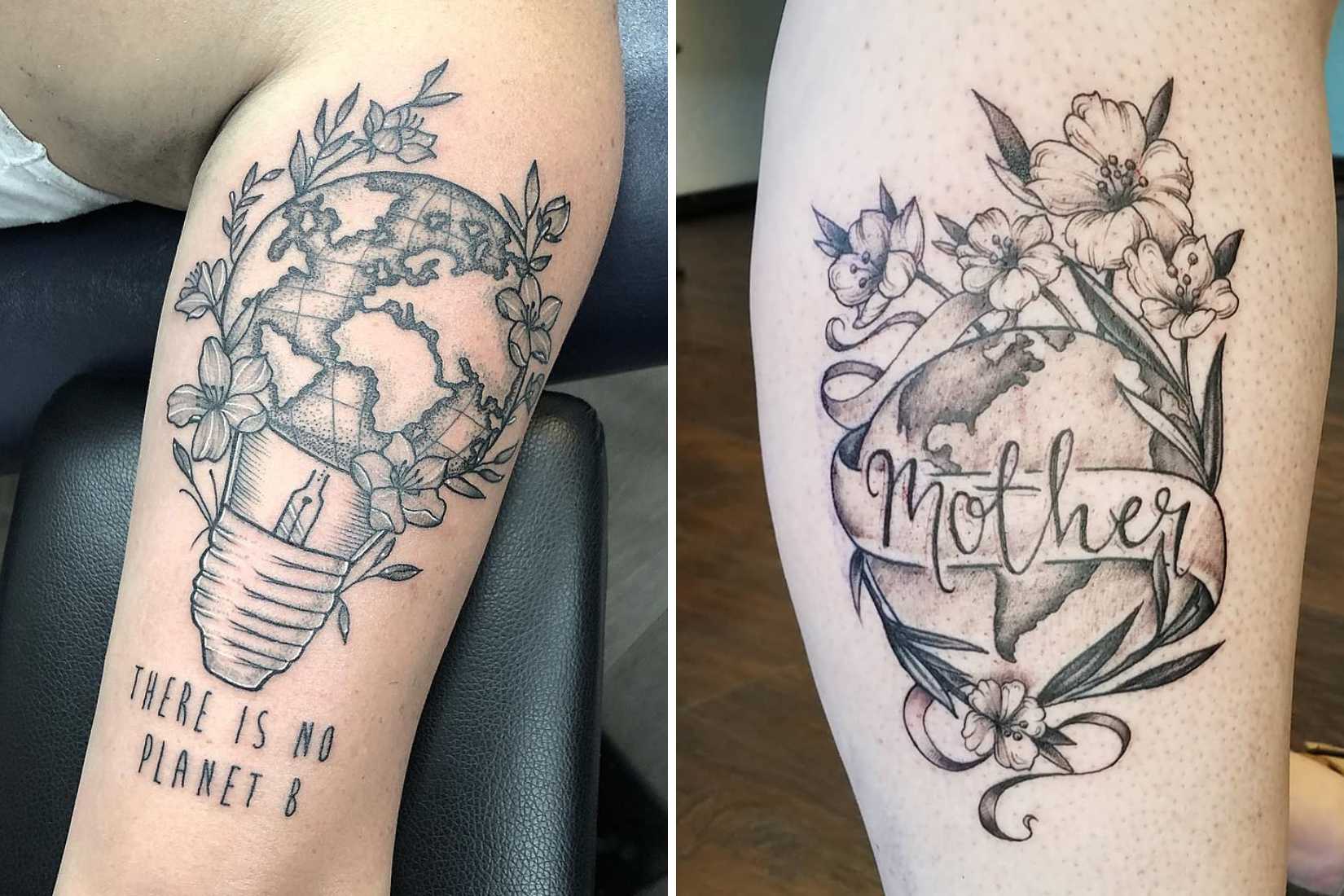
The shift to vegan inks
One of the first and most significant steps towards more sustainable tattooing has been the development of vegan inks. What does 'vegan' mean in this context? Simply put, it means the ink is free from any animal byproducts. Traditionally, some pigments used animal-derived ingredients, like glycerin from animal fat, or bone char for black inks. These ingredients aren’t necessarily harmful to health, but they aren’t aligned with a vegan lifestyle.
Vegan ink manufacturers have found alternatives. Mineral pigments, derived from naturally occurring rocks and minerals, are a common substitute. Plant-based dyes, extracted from fruits, vegetables, and other plants, are also gaining popularity. These alternatives offer a way to create vibrant colors without relying on animal products. The color range is expanding all the time, too.
The big question is, do vegan inks perform as well as traditional inks? Generally, yes. Modern vegan inks offer excellent color vibrancy and longevity. Healing times are comparable, and many artists report no noticeable difference in application. There was initial hesitation from some artists concerned about pigment saturation and consistency, but those concerns are largely fading as the quality of vegan inks improves. Brands like Eternal Ink have a dedicated vegan line, and Bloodline Tattoo Supply offers a wide range of vegan options.
Vegan labels don't automatically mean a product is sustainable. An ink can be free of animal products but still rely on plastic carriers or pigments from destructive mining operations. It is a start, but it isn't the whole solution.
Organic and biodegradable claims
The quest for sustainable ink doesn’t stop at veganism. Increasingly, companies are marketing inks as "organic’ or ‘biodegradable.’ But these claims require a closer look. What do they actually mean? The term ‘organic’ is particularly tricky, as there isn"t a universally accepted standard for organic tattoo ink. It often refers to the use of organically grown plant-based dyes, but the overall production process might still involve non-organic materials.
Biodegradable inks are even more challenging. The ideal scenario would be an ink that breaks down naturally within the skin over time, leaving no lasting environmental impact. However, creating an ink that is both stable enough to stay put for a lifetime and biodegradable is a significant scientific hurdle. Most "biodegradable" inks are simply packaged in biodegradable materials, not the ink itself.
Scientists are currently testing pigment formulations using algae and bacteria to create truly biodegradable options. While a few small labs are developing these inks, they aren't widely available yet. There are currently no universal certifications for these products, making the 'biodegradable' label mostly marketing for now.
The lack of clear standards and certifications is a major issue. It makes it difficult for consumers to know what they’re actually getting. Until robust certification processes are in place, it’s essential to do your research and ask artists detailed questions about the inks they use.
Cutting waste in the studio
Sustainable tattooing isn’t just about the ink; it’s about the entire studio environment. Tattoo parlors generate a lot of waste, from disposable gloves and razors to sharps containers and plastic wrap. Minimizing this waste is crucial. One key area is responsible disposal of single-use items. Proper biohazard waste management and sharps disposal are already legally mandated in most places, but going beyond compliance is possible.
Switching to reusable alternatives where appropriate can make a big difference. For example, using stainless steel instruments instead of disposable ones, or opting for reusable barriers and coverings. Water conservation is also important. Tattooing requires a lot of water for cleaning and rinsing, so studios can implement water-saving measures like low-flow faucets and efficient sterilization equipment. It's about finding ways to reduce consumption without compromising hygiene.
The San Francisco Department of Public Health provides a detailed checklist for body art establishments (referenced in the provided materials) which, while focused on safety, also implicitly promotes some sustainable practices through requirements for proper waste management and sterilization. It's a good example of how regulations can encourage responsible behavior.
Reducing plastic consumption is another area for improvement. Studios can look for suppliers who offer products with minimal packaging, or opt for bulk purchasing to reduce waste. Even small changes, like switching to reusable cleaning cloths instead of paper towels, can add up over time.
- Properly dispose of biohazard waste and sharps.
- using stainless steel instruments and reusable barriers
- Implement water conservation measures.
- Reduce plastic consumption through mindful purchasing.
Eco-friendly aftercare
The client also has a role to play in sustainable tattooing. Aftercare is essential for tattoo longevity, and choosing eco-friendly products can make a difference. Look for balms and lotions made with natural ingredients, avoiding harsh chemicals and petroleum-based products. Many brands now offer specifically formulated tattoo aftercare products with sustainable ingredients.
Proper aftercare isn’t just good for the environment; it’s good for your tattoo. Using gentle, natural products can help promote healing and prevent infection, reducing the need for touch-ups down the line. This extends the life of your tattoo, minimizing the environmental impact over time.
DIY aftercare options exist, but proceed with caution. While some natural oils like coconut oil or shea butter can be beneficial, it’s crucial to ensure they are properly sanitized and free from contaminants. Using unverified ingredients can lead to infection and ruin your tattoo. I generally recommend sticking with reputable aftercare brands.
Petroleum-based products, like petroleum jelly, are often used for tattoo aftercare, but they aren't very sustainable. They're derived from fossil fuels and can clog pores, hindering the healing process. Opting for natural alternatives is a simple way to reduce your environmental footprint.
How we vet sustainable shops
This is where TattooRate comes in. We're developing a directory specifically focused on helping users find sustainable tattoo parlors. Our goal is to make it easy to connect with artists and studios committed to eco-friendly practices. But we're not just going to list anyone who says they’re sustainable.
Inclusion in our 'sustainable' directory will require meeting specific criteria. This includes offering vegan ink options, demonstrating waste reduction practices, using eco-friendly products, and a clear commitment to sustainability from the artist or studio owner. We’ll be verifying these claims to prevent greenwashing—misleading consumers about environmental benefits.
We plan to incorporate user reviews that specifically address sustainability practices. This will allow customers to share their experiences and provide valuable feedback. We envision a system where users can rate a shop not just on artistry, but also on its environmental responsibility.
The directory will be regularly updated to reflect the latest information and ensure accuracy. We want to be a trusted resource for anyone looking for a sustainable tattoo experience.
- Vegan ink options
- Waste reduction practices
- Use of eco-friendly products
- Artist commitment to sustainability
Sustainable Practices at Select Tattoo Parlors - 2026
| Parlor Name | Vegan Ink Availability | Waste Reduction Efforts | Eco-Friendly Products | Artist Sustainability Statement |
|---|---|---|---|---|
| Golden State Tattoo (Los Angeles, CA) | Yes | High | Yes | Present |
| Rose & Thorn Tattoo (Portland, OR) | Partial | Medium | Limited | Absent |
| Black Iris Tattoo (New Orleans, LA) | Yes | Medium | Yes | Present |
| Sacred Geometry Tattoo (Austin, TX) | Partial | Low | Limited | Absent |
| North Star Tattoo (Denver, CO) | Yes | High | Yes | Present |
| Electric Owl Tattoo (San Francisco, CA) | No | Medium | Limited | Present |
| Ironclad Tattoo (New York, NY) | Partial | High | Yes | Present |
Illustrative comparison based on the article research brief. Verify current pricing, limits, and product details in the official docs before relying on it.




No comments yet. Be the first to share your thoughts!