

Get local tattoo right
Start Choose a Local Tattoo Artist with the constraint that matters most in real life: space, timing, budget, skill level, maintenance, or availability. That first constraint should shape the rest of the plan instead of appearing as an afterthought. Keep the first pass simple enough to verify. Compare the main options against the same criteria, remove choices that only work in ideal conditions, and save optional upgrades for later.
The simplest way to use this section is to write down the real constraint first, compare each option against it, and choose the path that still works outside ideal conditions.
Work through the steps
Choose a Local Tattoo Artist works best as a clear sequence: define the constraint, compare the realistic options, test the tradeoff, and choose the path with the fewest hidden costs. That order keeps the advice usable instead of decorative. After each step, pause long enough to check whether the recommendation still fits the reader's actual situation. If it depends on perfect timing, unusual access, or a best-case budget, include a simpler fallback.
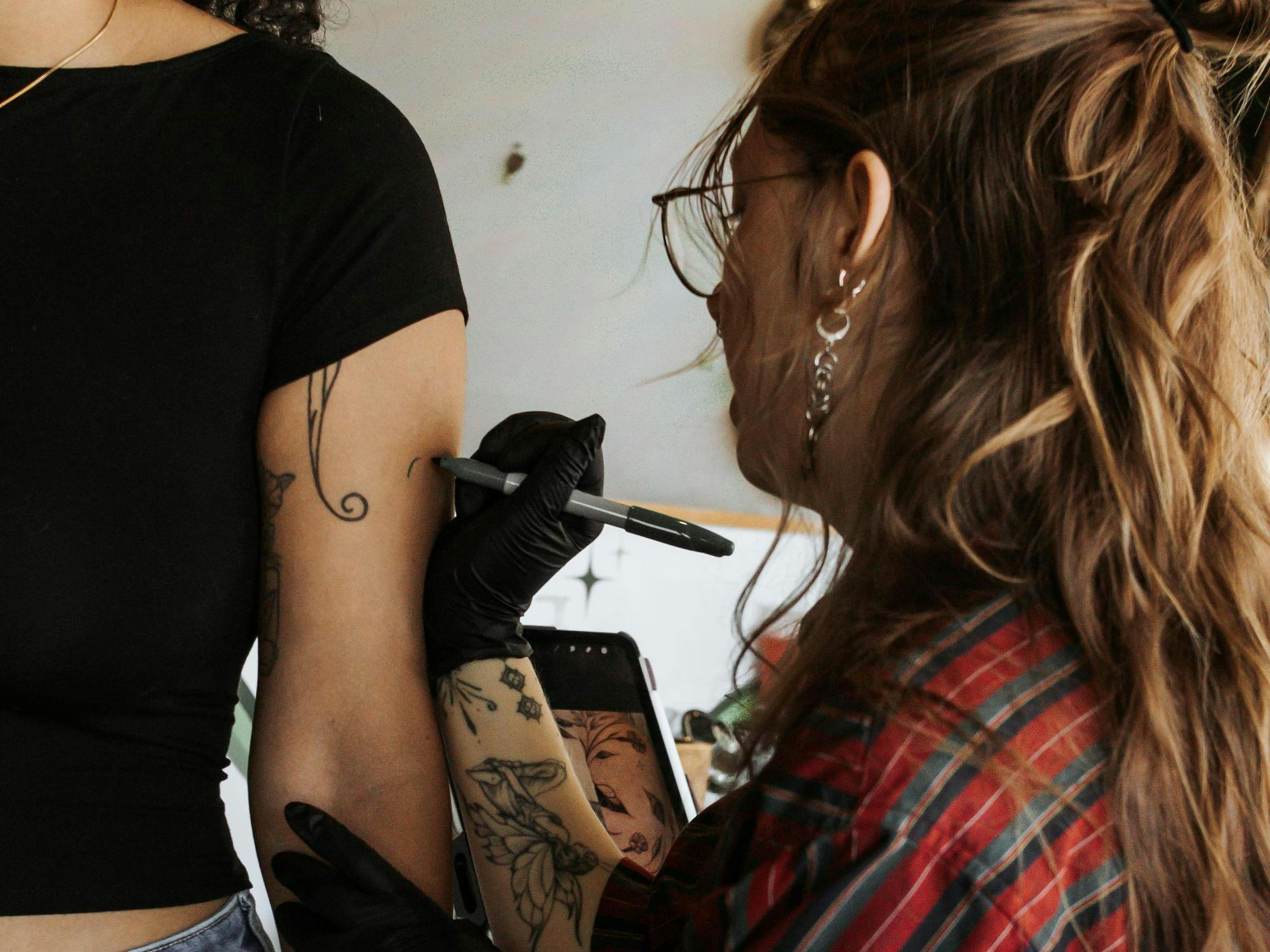
Fix common mistakes
Picking a tattoo artist based on the wrong signals is the fastest way to end up with a blurred line, an allergic reaction, or a bill that doesn’t match the quote. Most bad outcomes stem from skipping the verification steps that separate professional studios from hobbyists.
Here are the most frequent errors and how to avoid them.
Skipping the consultation
Many people book directly without meeting the artist first. This is a mistake. A consultation lets you assess hygiene standards, discuss placement nuances, and confirm the artist’s comfort with your specific style. If an artist refuses to consult or refuses to show a portfolio of healed work in your desired style, walk away.
Ignoring portfolio consistency
A stunning single piece doesn’t guarantee a good session. Look for consistency across multiple healed tattoos. Are the lines smooth? Is the shading even? Does the color saturation hold up? If an artist’s portfolio shows only fresh work or heavily edited images, request to see healed photos. Consistency over time is the true mark of skill.
Overlooking aftercare instructions
Professional artists provide clear, written aftercare instructions. If an artist shrugs off your questions about healing or gives vague advice like “just keep it clean,” that’s a red flag. Proper aftercare is a partnership. You need to know exactly what ointment to use, how long to keep bandages on, and what signs of infection to watch for.
Choosing price over quality
The cheapest option is rarely the best. Tattooing is a permanent investment. If a quote seems too good to be true, it often is. You’re paying for sterile equipment, high-quality ink, and years of practice. Don’t compromise on safety for savings.
Local tattoo: what to check next
Choosing a local artist involves practical concerns beyond just style. Here are direct answers to the most common questions about pricing, etiquette, and placement.
No comments yet. Be the first to share your thoughts!