How we picked the best-rated tattoo shops
Finding a tattoo artist who matches your vision requires more than just a quick Google search. We evaluated studios across the United States based on verified client feedback, portfolio consistency, and hygiene standards. Our selection process prioritized shops that maintain high ratings on major review platforms while demonstrating a clear specialization in specific styles, from traditional American to fine-line realism.
To ensure reliability, we cross-referenced data from multiple sources, including InkPPL and industry-specific directories, to identify artists with sustained positive reputations. We excluded shops with inconsistent reviews or those lacking transparent pricing and booking processes. This approach helps you avoid common pitfalls, such as hidden fees or rushed appointments, ensuring a safer and more enjoyable experience.
The shops on this list are not just popular; they are consistently rated for their professionalism and artistic skill. Each recommendation includes details on their signature styles and location to help you narrow down your options. Whether you are looking for a small, delicate piece or a large-scale back tattoo, these studios have proven track records of delivering quality work.
10 Best-Rated Tattoo Shops in 2026: Where to Find Your Next Ink Destination
Finding a trustworthy tattoo artist requires more than just scrolling through social media feeds. We evaluated shops based on hygiene standards, artist portfolios, and verified customer feedback to identify the top-rated destinations for 2026.
1. Blackwork specialist with geometric precision
Geometric precision demands absolute symmetry and clean lines, making this shop ideal for intricate mandalas or tribal patterns. Artists here master negative space and heavy saturation, ensuring designs hold up over time without blurring. Clients seeking bold, high-contrast black ink will find the technical rigor and artistic discipline necessary for flawless execution in this specialized studio environment.
2. Realistic portrait artist with fine detail
Portrait work requires an intimate understanding of human anatomy, lighting, and skin texture to capture likeness accurately. This artist specializes in grayscale realism, using subtle shading gradients to create depth and emotion. Whether commemorating a loved one or depicting a historical figure, the focus remains on lifelike rendering and emotional resonance through meticulous layering techniques.
3. Traditional American style with bold lines
Old School tattoos rely on thick, confident outlines and a limited, vibrant color palette to ensure longevity and readability. This studio excels in classic motifs like anchors, eagles, and roses, preserving the heritage of American Traditional tattooing. The bold linework prevents fading over decades, making these pieces timeless investments that stand out clearly against any skin tone.

4. Watercolor tattoo studio with vibrant hues
Watercolor tattoos mimic the fluid, bleeding edges of paint on paper, offering a soft, artistic alternative to solid fills. This studio uses specialized techniques to blend vibrant colors seamlessly, creating dreamy, abstract effects. While these designs lack heavy outlines, the careful placement ensures the hues remain vivid and distinct, appealing to those who want art that looks like it was painted directly on the skin.

5. Minimalist single-needle design expert
Single-needle work strips away all excess, focusing on delicate, continuous lines that create elegant, understated designs. This expert specializes in fine details like tiny symbols, script, or simple botanical elements that require steady hands and precise depth control. These subtle tattoos are perfect for those who prefer discreet ink that ages gracefully without becoming blurry or heavy over time.

6. Japanese Irezumi master with full back pieces
A full back piece demands an artist who understands traditional Japanese symbolism and anatomical flow. Look for studios specializing in Irezumi, where bold outlines and deep color saturation create a cohesive narrative across the body. This style requires patience and multiple sessions to achieve the authentic, immersive look that honors centuries of artistic heritage.
7. Dotwork shading specialist with intricate patterns
Dotwork relies on precise stippling techniques to create depth and texture without relying on solid black fills. This style is ideal for those seeking geometric complexity or mandala-inspired designs that evolve into organic shapes. A skilled specialist ensures consistent dot spacing, preventing muddy areas and maintaining clarity in high-detail sections.
8. Neo-traditional artist with ornate floral elements
Neo-traditional tattoos blend classic bold outlines with vibrant, expanded color palettes and elaborate decorative elements. Artists in this niche often incorporate ornate florals, ribbons, and vintage motifs, creating pieces that feel both timeless and modern. This style offers a perfect balance between readability and intricate detail, making it highly versatile.
9. Sleeve completion studio with cohesive themes
Completing a sleeve requires a studio that excels in continuity, ensuring seamless transitions between different sessions and styles. Look for artists who specialize in cohesive themes, whether it’s a unified color story or a consistent illustrative style. Proper planning and follow-up sessions are crucial to avoid disjointed elements and achieve a polished final look.

10. Custom illustration shop with unique concepts
For truly one-of-a-kind designs, seek out shops that function as custom illustration studios. These artists prioritize original concepts over flash sheets, sketching unique ideas tailored to your personal story or aesthetic preferences. This approach ensures your tattoo is not just a copy of an existing image, but a bespoke piece of body art.

Pick the right fit
Choosing a tattoo shop is less about finding the cheapest option and more about finding the right match for your body and style. A shop’s specialty matters as much as the artist’s skill. If you want a fine-line botanical piece, a studio known for heavy blackwork might not be the best environment, even if the artists are talented.
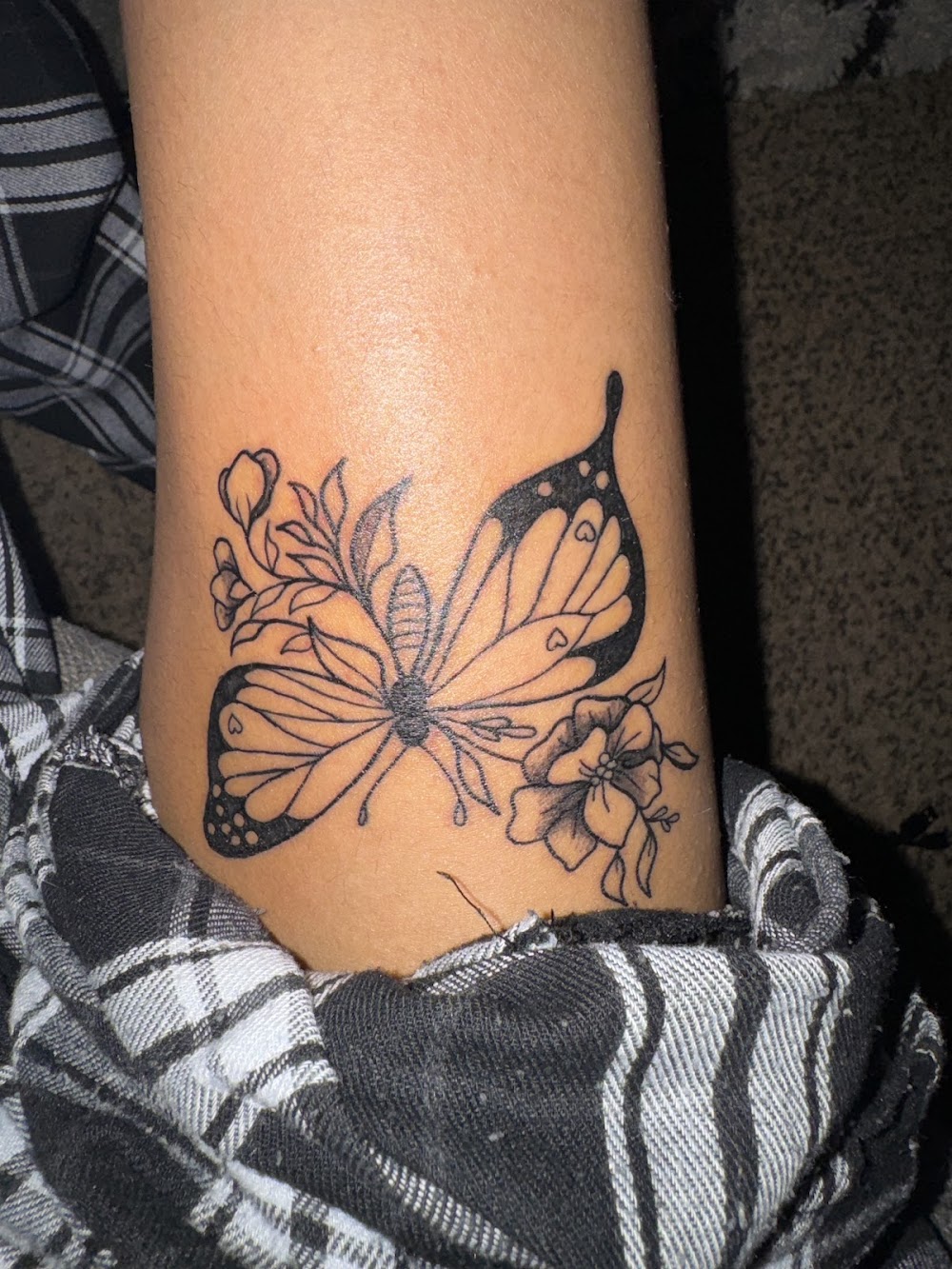
Start by reviewing the artist’s portfolio online. Look for healed work, not just fresh ink. Fresh tattoos look sharp because of swelling and ink saturation; healed work shows how the artist’s line work settles over time. Consistency across different skin tones and body parts is a strong indicator of technical reliability.
Communication during the consultation is your second major checkpoint. A good artist listens to your ideas but also offers professional feedback on placement, sizing, and longevity. They should explain aftercare clearly and answer questions about their hygiene protocols without hesitation.
Look for visible sterilization equipment and single-use needles in the studio. Most states require posted health department licenses. If the shop feels unclean or the artist skips basic prep steps, walk away.
Scour Instagram or the shop’s website for healed photos. This reveals how the artist handles shading, color saturation, and line retention. Avoid shops that only show fresh, swollen tattoos.
During your consultation, ask about the artist’s recommended aftercare routine. A professional will provide clear, written instructions and discuss how your specific body area affects healing and ink retention.


As an Amazon Associate, we may earn from qualifying purchases.
Frequently Asked Questions About Tattoo Shops
Finding the right shop is only half the battle. Here are answers to common questions about tattoo trends, pricing, and industry standards to help you plan your next session.
What are the most popular tattoos right now?
Trends shift quickly, but fine-line work, minimalist symbols, and custom botanical designs currently dominate. While traditional American traditional tattoos remain a staple, many clients are moving toward smaller, more intricate pieces that fit easily into everyday life. The "top 10" list is subjective, but these styles consistently appear in top-rated shop portfolios.
Is $100 a good tip for a $500 tattoo?
Yes. The standard tip for tattoo artists is 15-20% of the total cost. For a $500 tattoo, a $100 tip represents a 20% gratuity, which is generous and highly appreciated. Since artists often rent booth space and supply their own materials, tipping directly supports their livelihood and acknowledges the skill involved.
What is the best tattoo in the world?
There is no single "best" tattoo globally, as quality is measured by local reputation, hygiene standards, and artistic style. Shops listed in regional guides like those from Yelp or local magazines are considered the best in their specific markets. Look for shops with consistent high ratings, clean environments, and a portfolio that matches your desired style.
What should I look for in a top-rated shop?
Beyond star ratings, check for state health certifications and artist portfolios. Top shops prioritize sterilization protocols and offer consultations to ensure the artist can execute your specific design. Reviews often highlight the artist's ability to listen and adapt, which is just as important as technical skill.
No comments yet. Be the first to share your thoughts!