
Why Portrait Tattoos Require a Skilled Artist
Why Portrait Tattoos Require a Skilled Artist
Portrait tattoos are one of the most challenging and intricate tattoo designs to execute. Unlike other tattoo styles, portrait tattoos require a high level of skill and attention to detail to capture the likeness of a person accurately. A skilled artist can create a lifelike portrait tattoo that looks like a photograph, while an inexperienced artist can produce a tattoo that looks distorted and unrecognizable.
Portrait tattoos involve creating a realistic representation of a person's face, which requires an understanding of facial anatomy, shading, and color theory. A skilled artist can use their knowledge and expertise to create a tattoo that captures the subject's unique features, such as their bone structure, skin tone, and facial expressions. They can also use shading and color to create depth and dimension, making the tattoo look three-dimensional.
Choosing an inexperienced artist for a portrait tattoo can result in a tattoo that looks flat, distorted, or cartoonish. An unskilled artist may struggle to capture the subject's likeness, resulting in a tattoo that looks nothing like the person it's supposed to represent. Additionally, an inexperienced artist may not have the technical skills to create the fine details and shading necessary for a lifelike portrait tattoo.
Overall, portrait tattoos require a skilled artist who has experience in creating realistic representations of people's faces. By choosing a skilled artist, you can ensure that your portrait tattoo looks lifelike and accurately represents the subject's unique features.
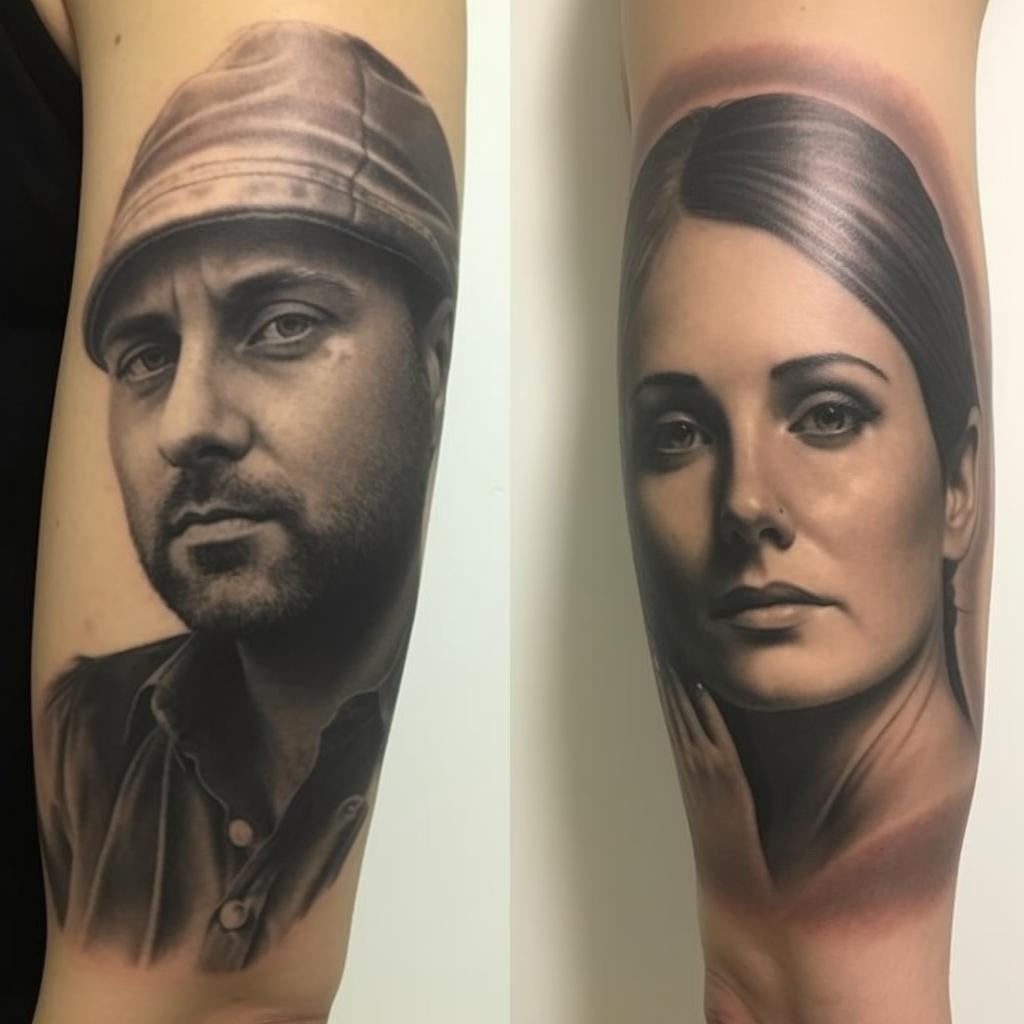 Image source: Unsplash
Researching and Choosing the Right Tattoo Artist
Researching and Choosing the Right Tattoo Artist
When it comes to portrait tattoos, choosing the right artist is crucial to achieving a lifelike result. Here are some tips for researching and selecting the right tattoo artist for your portrait tattoo.
1. Look for artists with experience in portrait tattoos. Not all tattoo artists are skilled in portrait tattoos, so it's essential to look for artists who have experience in this specific style. Check out their portfolio and previous work to see if they have created lifelike portrait tattoos before.
2. Read reviews and ask for recommendations. Look for reviews of the artist online and ask for recommendations from friends or family members who have gotten portrait tattoos before. This can give you an idea of the artist's reputation and the quality of their work.
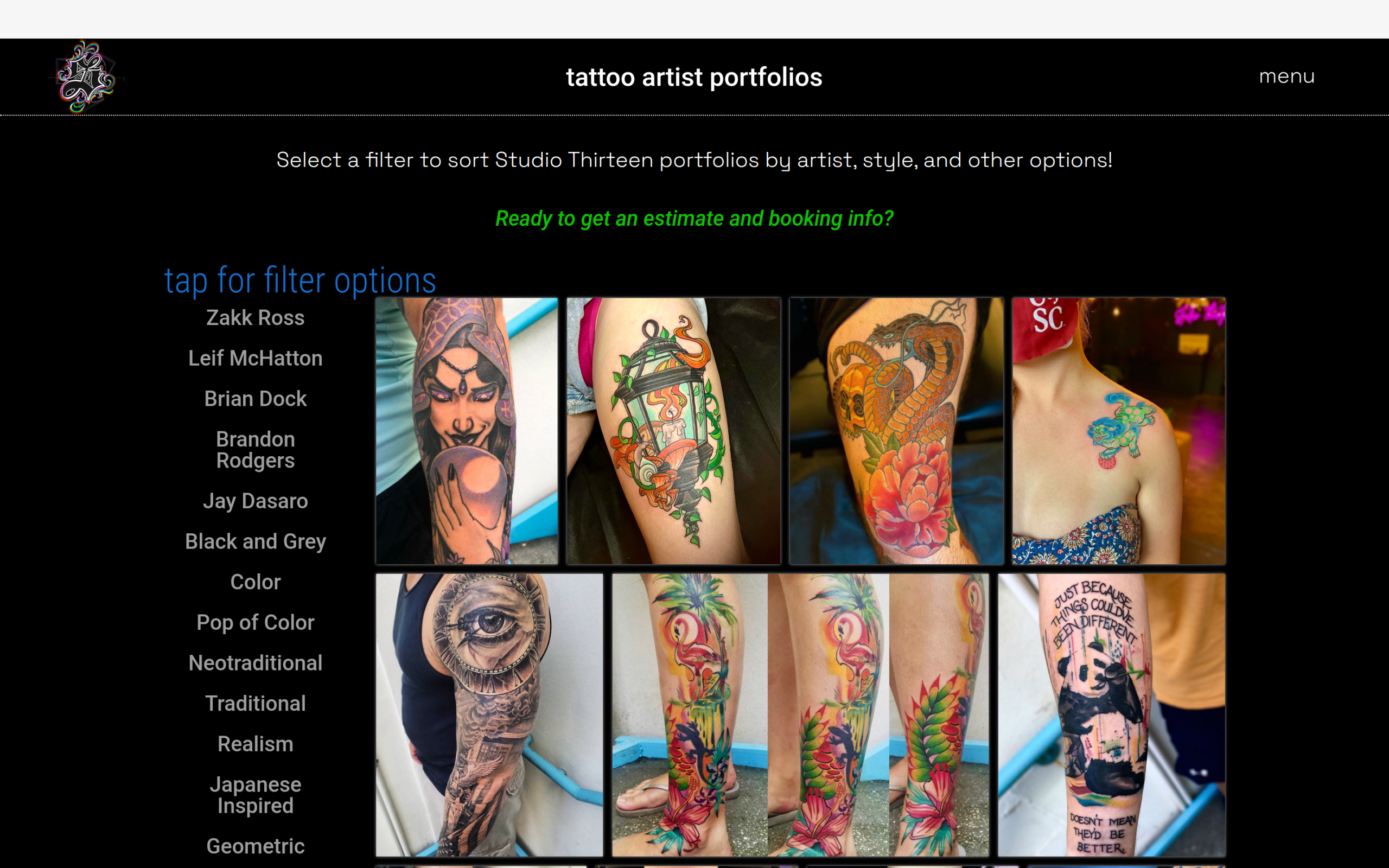
3. View an artist's portfolio and previous work. Before choosing an artist, take the time to view their portfolio and previous work. This can give you an idea of their style, skill level, and attention to detail. Look for artists who have created portrait tattoos that look lifelike and accurately represent the subject.
4. Communicate your vision and expectations. When you meet with the artist, be sure to communicate your vision and expectations for the tattoo. Bring reference photos and be specific about the features you want to highlight. This can help the artist create a tattoo that accurately represents the subject and meets your expectations.
5. Consider the artist's technical skills. Creating a lifelike portrait tattoo requires technical skills such as shading, color theory, and understanding facial anatomy. Look for artists who have a strong understanding of these skills and can create fine details and shading necessary for a lifelike portrait tattoo.
By following these tips, you can find a skilled artist who can create a lifelike portrait tattoo that accurately represents the subject. Remember to take your time and do your research to ensure that you choose the right artist for your tattoo.
Viewing an Artist's Portfolio and Previous Work
Viewing an Artist's Portfolio and Previous Work
Before choosing a tattoo artist for your portrait tattoo, it's essential to view their portfolio and previous work. This can give you an idea of their style, skill level, and attention to detail. When viewing an artist's portfolio, pay attention to their use of shading, color, and fine details. Look for artists who have created portrait tattoos that look lifelike and accurately represent the subject.
What to Look for in an Artist's Portfolio:
- Consistency: Look for artists who have a consistent style and quality of work throughout their portfolio. This can give you an idea of their attention to detail and skill level.
- Realism: Look for artists who have created portrait tattoos that look lifelike and accurately represent the subject. This can give you an idea of their ability to capture the subject's features and expressions.
- Detail: Look for artists who can create fine details and shading necessary for a lifelike portrait tattoo. This can include details such as wrinkles, hair, and facial features.
- Color Theory: Look for artists who have a strong understanding of color theory and can create a tattoo that accurately represents the subject's skin tone and features.
When viewing an artist's previous work, pay attention to the subject matter. If the artist has created portrait tattoos before, take a close look at the details and accuracy of the tattoo. If possible, ask the artist about their process for creating portrait tattoos and their experience with the subject matter.
Image: A photo of an artist's portfolio showcasing their previous portrait tattoos. The tattoos are detailed and lifelike, with accurate representations of the subject's features and expressions.
By taking the time to view an artist's portfolio and previous work, you can find a skilled artist who can create a lifelike portrait tattoo that accurately represents the subject. Remember to consider the artist's consistency, realism, detail, and color theory when viewing their portfolio and previous work.
Communicating Your Vision and Expectations
Communicating Your Vision and Expectations:
Once you have chosen a skilled artist for your portrait tattoo, it's essential to communicate your vision and expectations clearly. This can help ensure that the artist understands what you want and can create a tattoo that accurately represents the subject.
Start by providing the artist with clear reference photos of the subject. These photos should be high-quality and show the subject from multiple angles. If possible, provide the artist with photos that show the subject's features and expressions in detail. This can help the artist capture the subject's likeness accurately.
Tip: If you're getting a portrait tattoo of a loved one who has passed away, consider bringing in personal items that belonged to them. This can include jewelry, clothing, or other sentimental items that can help the artist capture the subject's essence.
During the tattooing process, don't be afraid to speak up if something doesn't look right. If the artist is not capturing the subject's likeness accurately, politely let them know and provide them with additional reference photos if necessary.
Remember: Communication is key when it comes to getting a lifelike portrait tattoo. By providing clear reference photos and speaking up during the tattooing process, you can help ensure that the artist creates a tattoo that accurately represents the subject.
Image: A photo of a person showing their artist reference photos of the subject for their portrait tattoo. The artist is listening attentively and taking notes.
Preparing for Your Portrait Tattoo Session
Preparing for Your Portrait Tattoo Session:
Once you have chosen the right artist and communicated your vision, it's time to prepare for your portrait tattoo session. Here are some tips to ensure a smooth and successful experience:
1. Get plenty of rest the night before: Tattoo sessions can be lengthy, and it's essential to be well-rested to avoid feeling fatigued or uncomfortable during the process.
2. Eat a good meal beforehand: Eating a healthy meal before your tattoo session can help keep your blood sugar levels stable and prevent lightheadedness or nausea.
3. Dress appropriately: Wear comfortable clothing that allows easy access to the area where you'll be getting tattooed. Avoid wearing tight or restrictive clothing that may rub against the tattoo and cause irritation.
4. Bring a friend for support: Having a friend or loved one with you during your tattoo session can provide emotional support and help distract you from any discomfort.
5. Follow your artist's instructions: Your artist may provide specific instructions for preparing for your tattoo session, such as avoiding certain medications or alcohol. It's essential to follow these instructions carefully to ensure the best possible outcome.
Remember, getting a portrait tattoo is a significant investment of time and money. By preparing properly and following your artist's instructions, you can help ensure a successful and satisfying experience.
Caring for Your Portrait Tattoo Afterward
Caring for Your Portrait Tattoo Afterward:
Congratulations on your new portrait tattoo! Now that you have invested time and money in getting your lifelike portrait tattoo, it's essential to take proper care of it to ensure it heals correctly and looks its best for years to come. Here are some tips for caring for your portrait tattoo afterward:
1. Follow your artist's aftercare instructions: Your tattoo artist will provide you with specific aftercare instructions, which may include washing and moisturizing the tattoo, avoiding direct sunlight, and refraining from swimming or soaking in water for a certain period. It's crucial to follow these instructions carefully to prevent infection and promote proper healing.
2. Keep the tattoo clean and moisturized: Use a gentle, fragrance-free soap to clean the tattoo and apply a thin layer of unscented lotion to keep it moisturized. Avoid using products that contain alcohol or fragrances, as they can irritate the skin and cause the tattoo to fade.
3. Avoid picking or scratching the tattoo: It's normal for the tattoo to scab and peel during the healing process, but it's essential to resist the urge to pick or scratch at it. Doing so can cause scarring and damage the tattoo's appearance.
4. Protect the tattoo from the sun: Direct sunlight can cause the tattoo to fade and lose its vibrancy. If you plan to spend time outdoors, be sure to cover the tattoo with clothing or apply a high SPF sunscreen to protect it.
5. Schedule touch-up appointments: Over time, the tattoo may fade or require touch-ups to maintain its lifelike appearance. Schedule touch-up appointments with your artist as needed to keep your portrait tattoo looking its best.
By following these tips, you can help ensure that your portrait tattoo heals correctly and looks its best for years to come. Remember, proper aftercare is just as important as choosing the right artist and preparing for your tattoo session.
Avoiding Common Mistakes and Pitfalls
Avoiding Common Mistakes and Pitfalls:
Getting a portrait tattoo is a significant investment, both in terms of time and money. To ensure that you get the best possible result, it's essential to avoid common mistakes and pitfalls that can compromise the quality of your tattoo. Here are some tips to keep in mind:
1. Don't rush the process: Getting a lifelike portrait tattoo requires time, patience, and careful planning. Rushing the process can lead to mistakes and subpar results. Take your time to research and choose the right artist, communicate your vision clearly, and prepare adequately for your tattoo session.
2. Don't compromise on quality: When it comes to portrait tattoos, quality should be your top priority. Don't settle for a mediocre artist or a cheap price. Instead, invest in a skilled artist who has experience with portrait tattoos and a portfolio of lifelike work.
3. Don't ignore aftercare instructions: Proper aftercare is crucial for the healing and longevity of your tattoo. Ignoring your artist's aftercare instructions can lead to infection, scarring, and fading. Be sure to follow their advice carefully and ask questions if you're unsure about anything.
4. Don't neglect touch-ups: Over time, your portrait tattoo may require touch-ups to maintain its lifelike appearance. Neglecting touch-ups can lead to fading and a loss of detail. Schedule regular appointments with your artist to keep your tattoo looking its best.
By avoiding these common mistakes and pitfalls, you can ensure that your portrait tattoo is a beautiful and lasting tribute to the person or animal you love. Remember, getting a portrait tattoo is a significant commitment, but with the right artist and proper aftercare, it can be a rewarding and meaningful experience.
Conclusion: Celebrating Your Lifelike Portrait Tattoo
Celebrating Your Lifelike Portrait Tattoo
Congratulations! You've done your research, chosen the right artist, communicated your vision clearly, prepared for your tattoo session, and followed your artist's aftercare instructions. Now, it's time to celebrate your lifelike portrait tattoo!
Your tattoo is more than just a piece of art; it's a tribute to the person or animal you love. It's a permanent reminder of their impact on your life and a symbol of your connection to them. Your tattoo is a unique expression of your personality, values, and emotions.
As you admire your new tattoo, take a moment to reflect on the journey that led you here. Think about the memories, stories, and emotions that inspired your tattoo. Remember the people who supported you along the way, from your artist to your friends and family.
Your lifelike portrait tattoo is a work of art that will last a lifetime. It's a testament to your love, loyalty, and creativity. It's a conversation starter, a source of inspiration, and a source of pride. Wear it with confidence and joy, knowing that it represents something meaningful and beautiful.
Thank you for choosing TattooRate as your guide to the world of portrait tattoos. We hope that our tips and advice have helped you achieve the result you wanted. We wish you all the best on your tattoo journey and look forward to seeing your next masterpiece!


No comments yet. Be the first to share your thoughts!