

Introduction to the Tattoo Industry
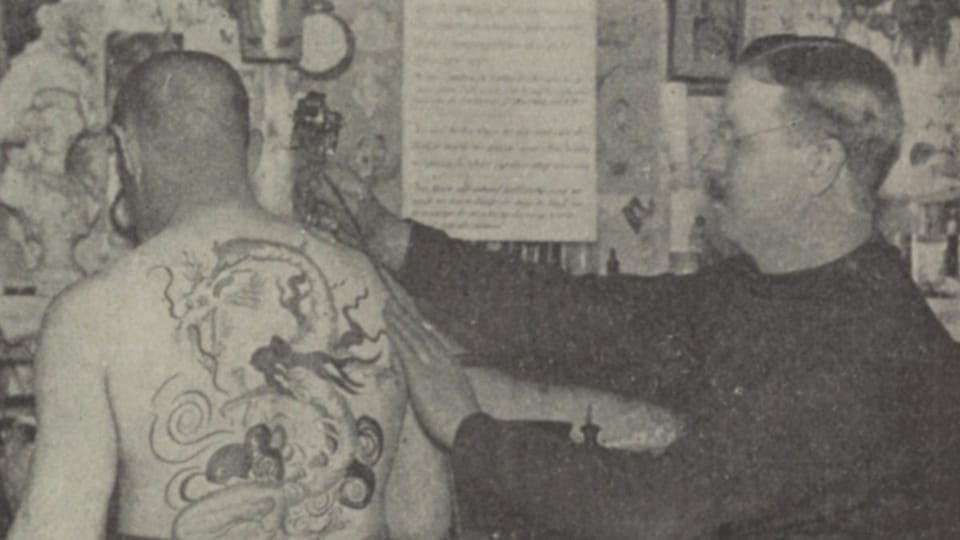
The tattoo industry has come a long way from its early beginnings. Tattoos have been around for thousands of years, with evidence of tattooing dating back to ancient civilizations such as Egypt and Greece. In the past, tattoos were often associated with criminals, sailors, and other marginalized groups.
However, in recent years, tattoos have become increasingly popular and widely accepted. Today, tattoos are seen as a form of self-expression and art, with people from all walks of life getting inked.
The tattoo industry has grown significantly in response to this increased demand. There are now thousands of tattoo shops and parlors around the world, each with their own unique style and approach to tattooing.
As the industry has evolved, so too have the techniques used to create tattoos. Traditional tattooing methods, such as hand-poking and stick-and-poke, have given way to modern techniques that use tattoo machines and other advanced tools.
At TattooRate, we are passionate about the tattoo industry and the art of tattooing. We believe that tattoos are a powerful form of self-expression, and we are dedicated to helping people find the best tattoo shops and parlors in their local area.

Traditional Tattoo Techniques
Traditional Tattoo Techniques
Tattoos have been around for centuries, and traditional tattoo techniques have been passed down from generation to generation. These techniques involve using a handheld needle and ink to create intricate designs on the skin. Traditional tattoos are known for their bold lines, limited color palette, and iconic designs.
One of the most well-known traditional tattoo styles is American Traditional, which emerged in the early 1900s. American Traditional tattoos feature bold black outlines, a limited color palette of red, green, yellow, and blue, and classic designs such as anchors, eagles, and roses. Another popular traditional style is Japanese Traditional, which features intricate designs of dragons, koi fish, and cherry blossoms.
Traditional tattoo techniques require a high level of skill and precision. The artist must have a steady hand and be able to control the depth and angle of the needle to create a clean and precise design. These techniques have been used for centuries and continue to be popular today, especially among those who want a classic and timeless tattoo.
While traditional tattoo techniques may seem simple, they require a great deal of knowledge and experience to execute properly. That's why it's important to choose a tattoo artist who specializes in traditional techniques and has a portfolio of high-quality work.

Image Source: Unsplash
Modern Tattoo Techniques
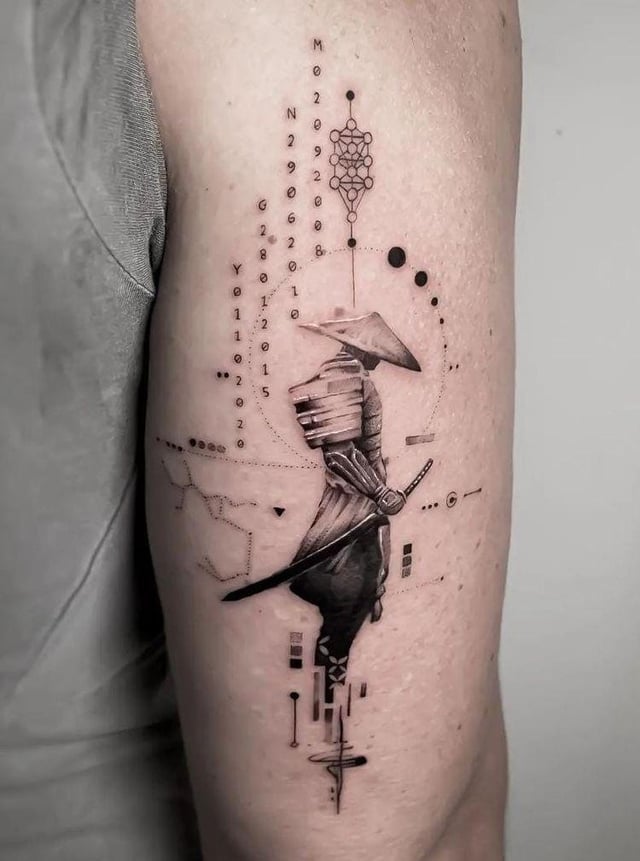
Modern tattoo techniques have come a long way since the traditional methods used in the past. With advancements in technology and equipment, tattoo artists are now able to create more intricate and detailed designs than ever before.
Machine Tattooing: One of the most popular modern tattoo techniques is machine tattooing. This involves using a tattoo machine to inject ink into the skin. The machine works by rapidly puncturing the skin with a needle, which deposits ink into the dermis layer. This technique allows for more precise lines and shading, making it ideal for detailed designs.
Rotary Tattooing: Another modern technique is rotary tattooing. This method uses a rotary machine that moves in a circular motion, rather than the back-and-forth motion of a traditional tattoo machine. This technique is less harsh on the skin, making it a popular choice for those with sensitive skin.
Laser Tattoo Removal: While not a tattooing technique, laser tattoo removal has become a popular option for those looking to remove unwanted tattoos. This method involves using a laser to break up the ink particles in the skin, which are then absorbed by the body's immune system. While it can take multiple sessions to completely remove a tattoo, it is a much less painful and invasive option than traditional methods like dermabrasion or excision.

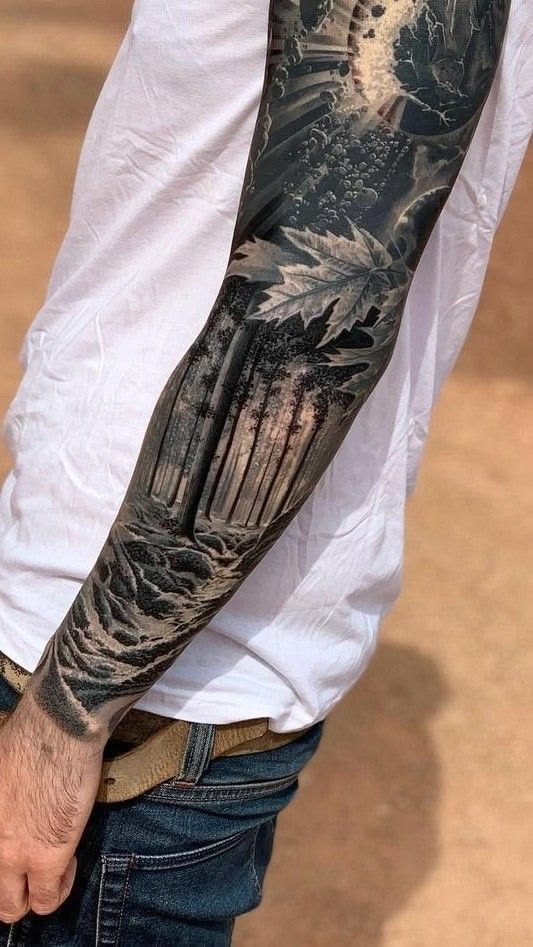
Overall, modern tattoo techniques have allowed for more creativity and precision in tattooing. Whether you're looking for a small, delicate design or a full sleeve, the advancements in technology have made it easier than ever to achieve your desired look.
The Impact of Technology on the Tattoo Industry
The tattoo industry has undergone a significant transformation over the years, and technology has played a crucial role in this evolution. With the advent of modern technology, tattoo artists have been able to experiment with new techniques, designs, and equipment, leading to a surge in the popularity of tattoos.
One of the most significant impacts of technology on the tattoo industry is the availability of advanced tattoo equipment. Modern tattoo machines are more efficient, precise, and less painful than traditional equipment. They also allow artists to create intricate designs with ease, making it possible to achieve a level of detail that was previously impossible.
Another technological advancement that has revolutionized the tattoo industry is the use of digital design software. With the help of these tools, artists can create detailed designs on a computer and then transfer them onto the skin using a stencil. This has made it easier for artists to create custom designs that are unique to each client's preferences.
Social media has also played a significant role in the growth of the tattoo industry. Platforms like Instagram and Facebook have made it easier for artists to showcase their work and reach a wider audience. This has led to an increase in demand for tattoos, as more people are exposed to the art form and the diverse range of designs available.
In conclusion, technology has had a profound impact on the tattoo industry, enabling artists to create more intricate designs, use advanced equipment, and reach a wider audience. As technology continues to evolve, we can expect to see even more exciting developments in the world of tattoos.
The Future of the Tattoo Industry
The Future of the Tattoo Industry
The tattoo industry has come a long way from its traditional roots. With the introduction of modern techniques and technology, the industry has seen a significant shift in the way tattoos are created and perceived. But what does the future hold for the tattoo industry?
One thing is for sure, tattoos are here to stay. As society becomes more accepting of tattoos, the demand for high-quality tattoos will continue to rise. This means that tattoo artists will need to continue to evolve and improve their skills to meet the demands of their clients.
Advancements in technology will also play a significant role in the future of the tattoo industry. With the introduction of new tattoo machines and ink, artists will have more tools at their disposal to create intricate and detailed designs. The use of 3D printing technology may also revolutionize the industry by allowing artists to create custom designs that can be printed directly onto the skin.
Another trend that is likely to continue is the rise of tattoo removal services. As more people get tattoos, there will inevitably be those who regret their decision and want their tattoos removed. This presents an opportunity for tattoo artists to expand their services to include tattoo removal.
Overall, the future of the tattoo industry looks bright. With the continued evolution of techniques and technology, the industry is poised for growth and innovation. TattooRate will continue to play a vital role in the industry by connecting clients with the best-rated tattoo shops and parlors in their local area.
TattooRate's Role in the Evolution of the Tattoo Industry
TattooRate's Role in the Evolution of the Tattoo Industry
TattooRate has played a significant role in the evolution of the tattoo industry by providing a comprehensive directory for local tattoo shops and parlors. With the increasing popularity of tattoos, it has become more challenging for individuals to find a reputable and reliable tattoo artist. TattooRate has made it easier for people to find the best-rated tattoo shops and read insightful reviews from the community.
By providing a platform for tattoo enthusiasts to share their experiences, TattooRate has helped to promote transparency and accountability in the tattoo industry. This has encouraged tattoo artists to maintain high standards of professionalism and quality in their work. As a result, customers can trust that they will receive a safe and satisfactory tattooing experience.
TattooRate has also contributed to the growth of the tattoo industry by promoting diversity and creativity. With its vast directory of tattoo shops and artists, TattooRate has made it possible for people to discover new and unique tattoo styles. This has encouraged tattoo artists to push the boundaries of traditional tattooing techniques and explore new forms of artistic expression.
Overall, TattooRate has played a vital role in the evolution of the tattoo industry by providing a platform for transparency, accountability, and creativity. As the tattoo industry continues to grow and evolve, TattooRate will continue to be a valuable resource for tattoo enthusiasts and artists alike.

No comments yet. Be the first to share your thoughts!