The Styles People Are *Actually* Getting in 2024
Tattoo trends are a funny thing. What blows up on Instagram doesn’t always translate to what people are actively booking appointments for. We’ve been tracking what’s really happening in local tattoo shops, and the picture is more nuanced than you might think. It’s easy to get caught up in viral designs, but this isn’t about fleeting popularity – it’s about consistent demand.
For this report, we’ve been talking directly to shop owners and artists across the country, and analyzing anonymized booking data. We wanted to move beyond the hype and understand what styles are keeping artists busy. The results? Some styles are holding strong, while others are definitely gaining ground. There's a clear shift toward both incredibly detailed work and more relaxed, artistic interpretations.
It’s worth remembering that "trends’ aren’t monolithic. Regional preferences play a role, and individual artist skill sets heavily influence what’s available in a given area. This isn’t a definitive list, but a snapshot of what we’re seeing booked in shops right now, as of late 2024. We’re looking at what people are willing to commit to long-term, not just what they"re double-tapping on their phones.
Blackwork & Dotwork: Precision is Still in Demand
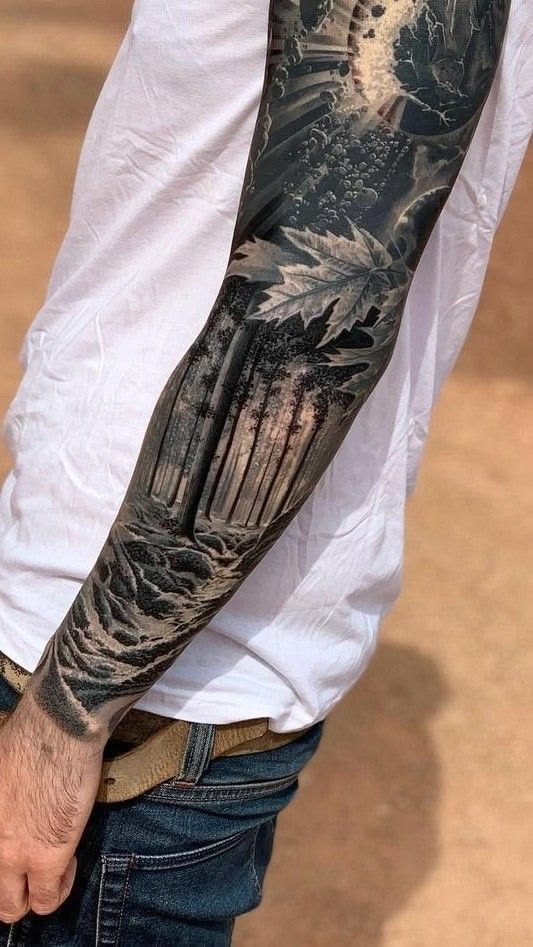
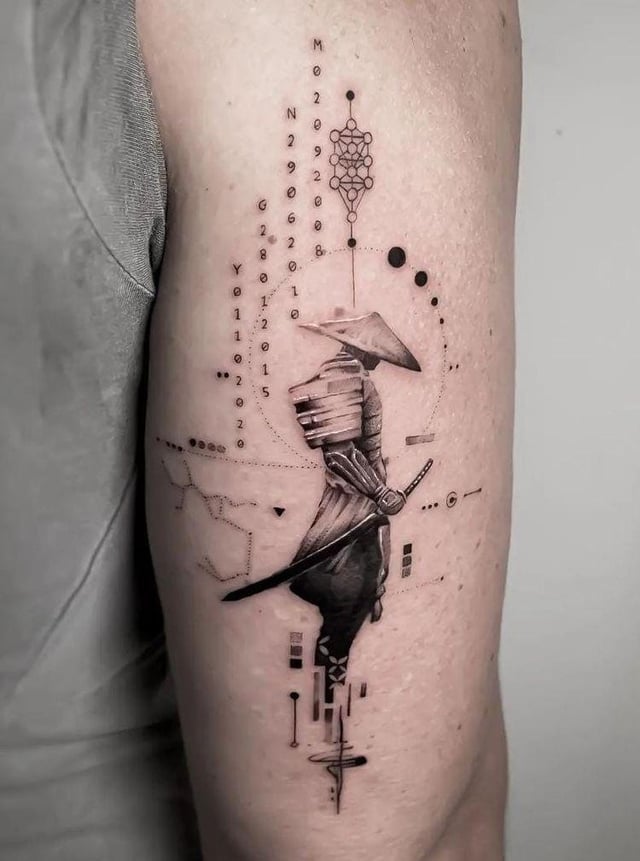
Blackwork and Dotwork continue to dominate. These aren’t exactly new styles, but they haven’t lost any steam. Blackwork, as the name suggests, relies entirely on black ink, creating bold, graphic designs through solid shapes and lines. Dotwork, on the other hand, builds up images using countless tiny dots, resulting in a textured, almost pointillist effect.
Both require a serious level of skill and patience. It’s not a style you’ll see many apprentices tackling. The precision needed for clean lines and consistent dot placement is significant. This translates to a higher price point, but clients seem willing to pay for quality. The appeal lies in the stark contrast and the graphic nature of the designs – many lean towards geometric patterns or illustrative imagery.
These styles have proven their longevity. They’re timeless in a way that some more fleeting trends aren't. You can find incredible Blackwork artists at shops like Third Eye Tattoo in New York City, and amazing Dotwork specialists at Black Iris Tattoo in Portland. Check out their profiles on TattooRate to see their portfolios. I'm curious if the time commitment needed for these styles impacts the final cost more than other types of tattoos.
Realism & Microrealism: The Push for Photographic Detail
Realism remains incredibly popular, and its smaller counterpart, Microrealism, is gaining even more traction. Realism aims to replicate photographs as closely as possible on skin, while Microrealism takes that detail and shrinks it down to a much smaller scale. Both are technically demanding and require exceptional artistic talent.
We’re seeing a lot of requests for portraits – people, pets, and, interestingly, lions seem to be a particularly popular subject. Animals in general are a big draw, alongside detailed landscapes. The key here is capturing texture, light, and shadow to create a convincing illusion of depth. The better the artist, the more lifelike the tattoo will appear.
Realism is generally more expensive than other styles, simply because of the time and skill involved. An artist like Nikko Hurtado, known for his stunning color realism, commands a higher rate, and for good reason. You can find artists specializing in this style at shops like Bang Bang Tattoo in New York. It’s a fascinating contrast to the simpler styles, where the impact comes from minimalism, not intricate detail.
Nature-Inspired Tattoos: Organic Forms Remain a Staple
Nature-inspired tattoos are a consistently popular choice, and that doesn’t seem to be changing. Flowers, trees, animals, and landscapes all fall into this category. The appeal is pretty straightforward: people connect with nature, and these tattoos can symbolize growth, resilience, and beauty.
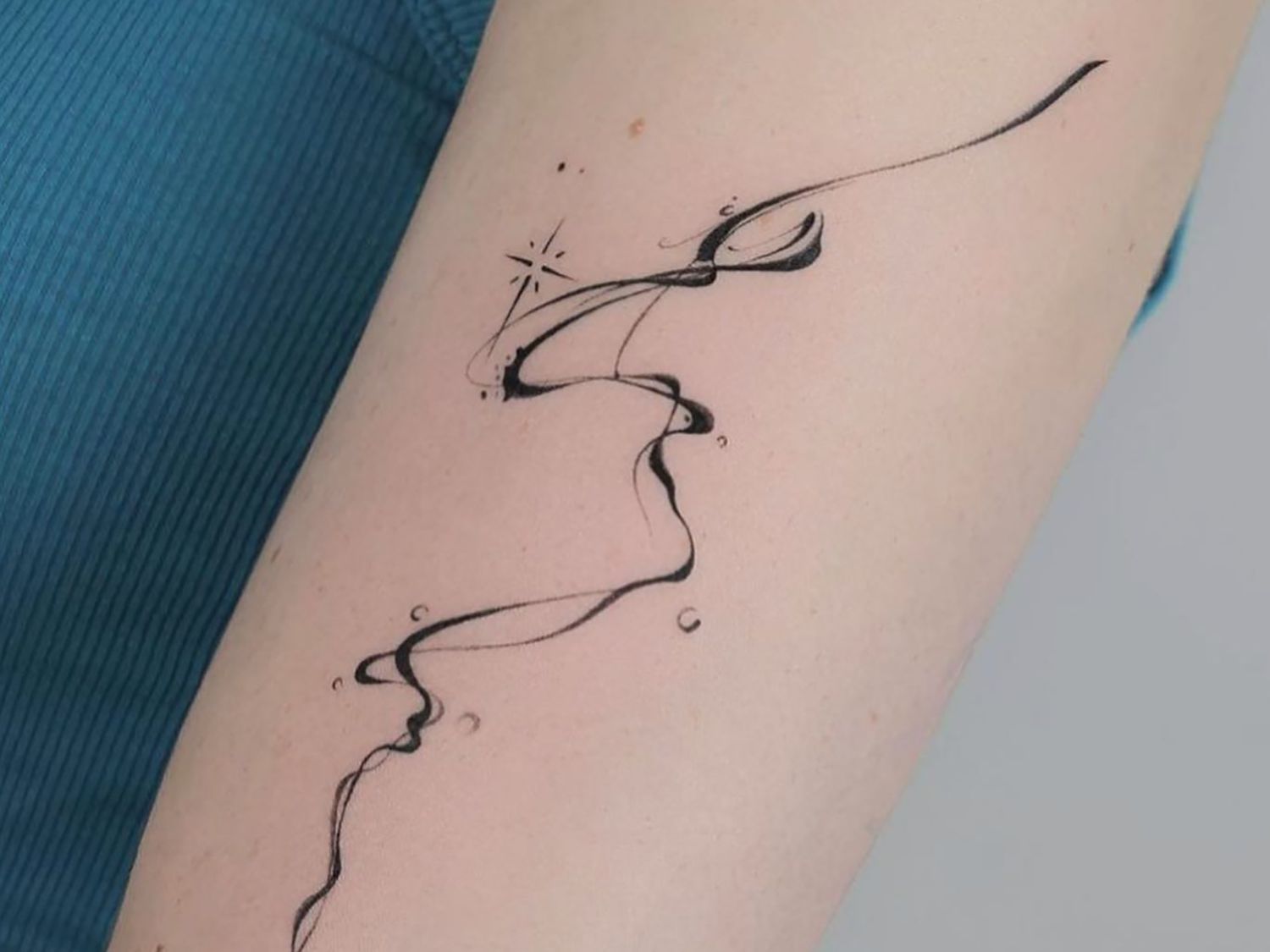
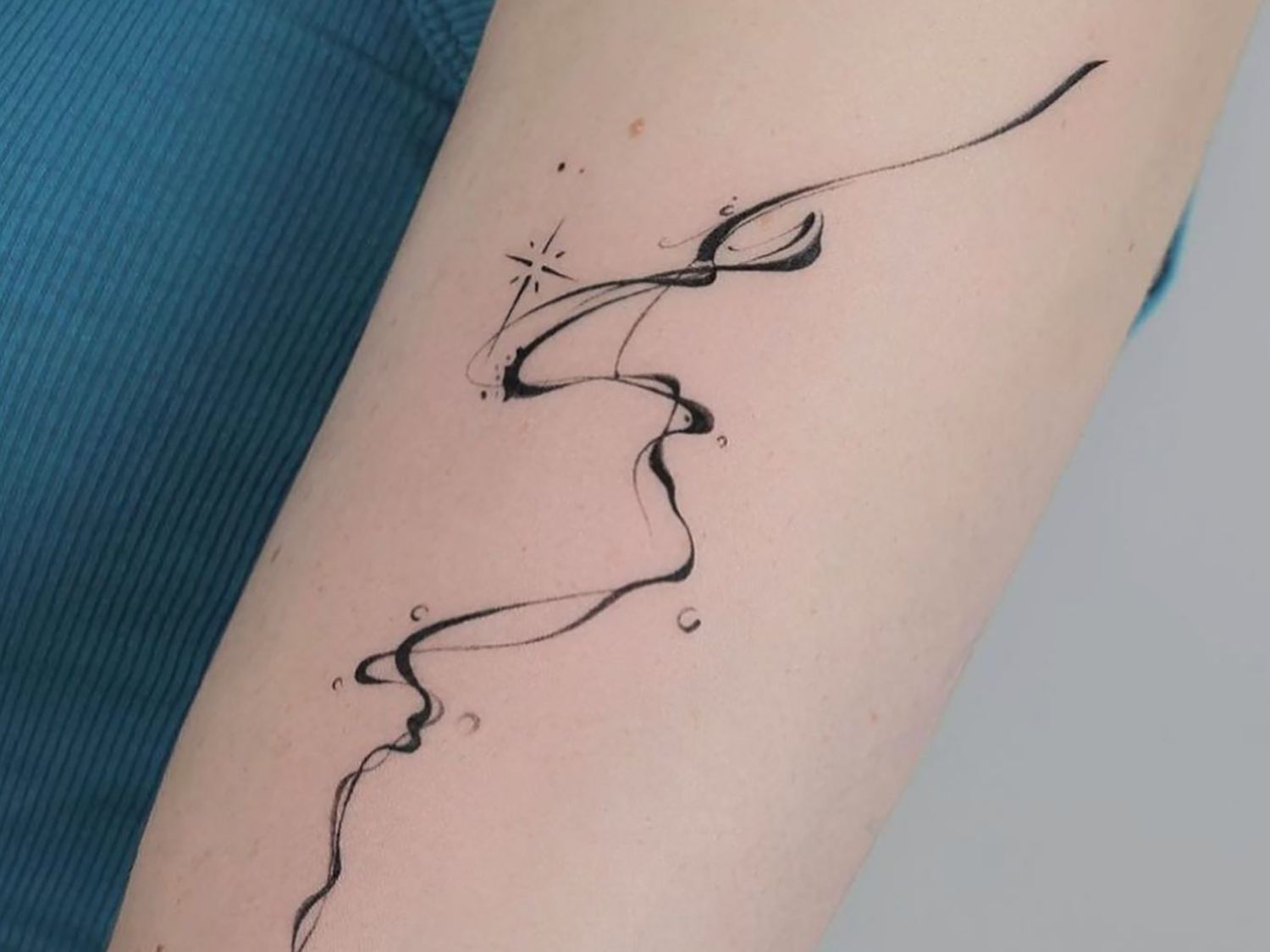
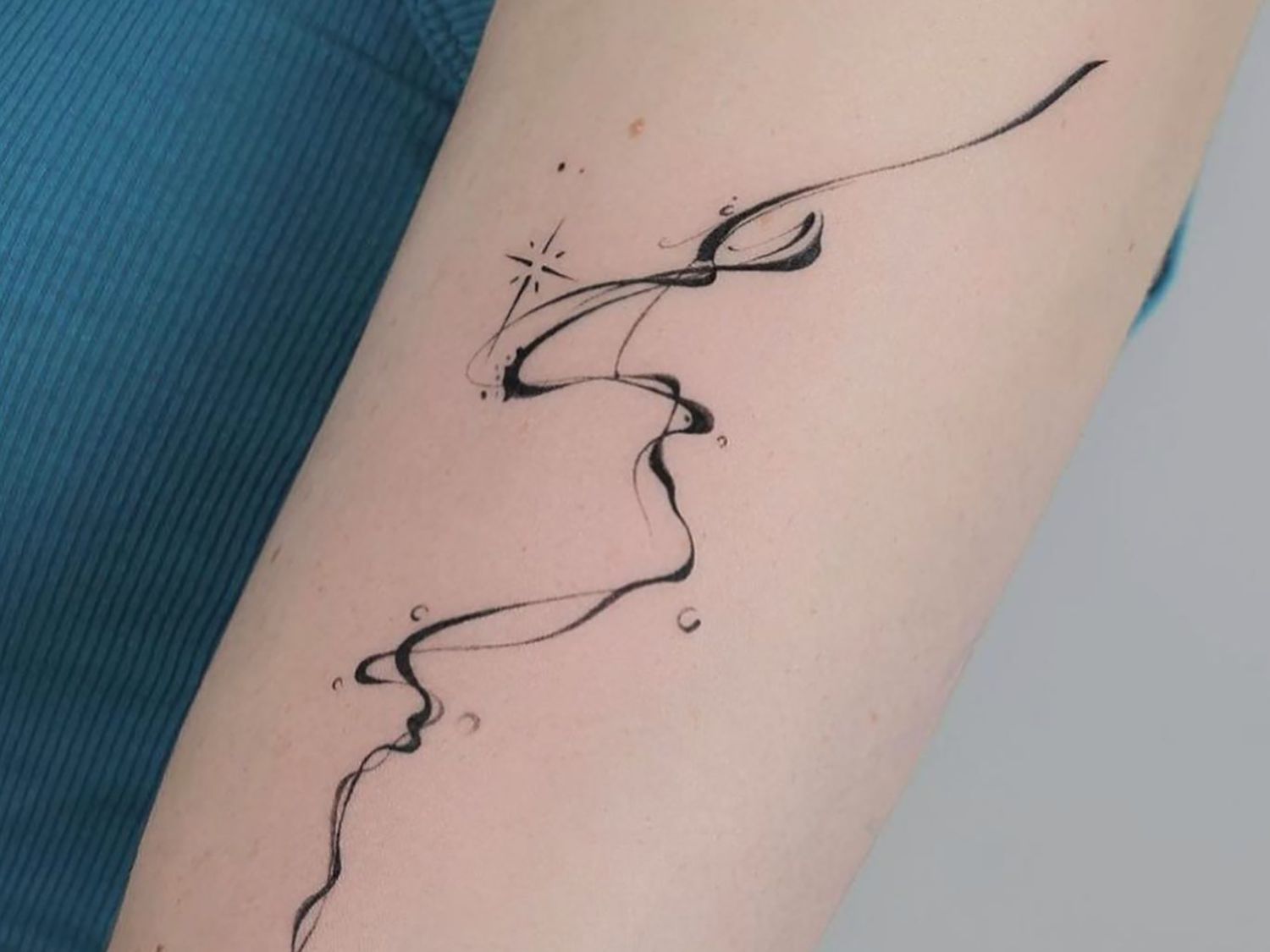
Currently, we’re seeing a move towards more detailed floral arrangements, with specific flowers like peonies and wildflowers being particularly requested. There's also a growing interest in more abstract nature designs, incorporating flowing lines and organic shapes. Some clients are requesting specific regional flora and fauna, reflecting their connection to a particular place.
The symbolism is a big part of the draw. A hummingbird might represent joy and adaptability, while a mountain range could symbolize strength and perseverance. Regional preferences are definitely at play, too. Coastal areas see more ocean-themed tattoos, while mountainous regions tend towards forest and wildlife designs.
Beyond the Basics: Emerging Styles Gaining Traction
Now let's look at some styles that are gaining momentum. Memphis Pattern tattoos are making a notable comeback, inspired by the bold, geometric shapes and vibrant colors of 1980s design. It’s a fun, playful style that stands out from the crowd. Then there's the rise of “Lo-fi” and Sketch-style tattoos – these embrace imperfection, mimicking the look of a hand-drawn sketch.
Lo-fi and Sketch styles are appealing because they feel more approachable. They're less intimidating than hyper-realistic tattoos and offer a more artistic, less polished aesthetic. Sticker Sleeves are another interesting trend – a modern take on traditional sleeves, featuring a collection of smaller, distinct designs rather than one cohesive artwork. It's like a curated collage on your arm.
These emerging styles seem to be resonating with people who are looking for something unique and expressive. They're a reaction against the perfectionism of some other styles, and a desire for something more personal and artistic. Artists like Sarah Gaugler are pushing the boundaries of the Sketch style. I suspect the accessibility of Lo-fi styles is a major factor in their growing popularity.
The appeal of Memphis patterns, with their bright colors and bold shapes, is likely a nostalgic pull for those who grew up in the 80s, or an appreciation for the retro aesthetic. It's a fun way to express personality and add a pop of color to your skin. The Sticker Sleeve concept allows for a lot of creativity and personalization, letting you showcase a collection of meaningful designs.
Which of these emerging tattoo styles are you most likely to get in 2024?
Local tattoo shops are reporting a surge in demand for new and evolving styles this year. We want to know which trending style catches your eye. Vote below and let the TattooRate community know what is on your ink wishlist!
Niche Interests: Anime, Glass Effects, and Colorful Abstraction
Beyond the broader trends, we’re also seeing growth in niche areas. Anime tattoos are particularly popular among younger demographics, driven by a passion for Japanese animation and manga. The demand for detailed character portraits and iconic scenes is high. Glass and Chrome effects are demonstrating incredible technical advancement, creating three-dimensional illusions on skin.
These effects require a deep understanding of light and shadow, and a mastery of color blending. It’s a challenging technique, but the results can be truly stunning. Colorful abstract designs are also gaining traction, blending vibrant hues with imaginative patterns, resembling modern art pieces. This is potentially a move away from the dominance of blackwork, offering a bolder, more expressive alternative.
The skill level of the artist is crucial for these specialty categories. Glass and Chrome effects, in particular, require a highly skilled artist to pull off convincingly. Anime tattoos benefit from an artist who understands the source material and can accurately capture the character's likeness. The price will reflect this expertise.
Finding the Right Artist for *Your* Style
So, you’ve decided on a style. Now what? Finding the right artist is the most important step. Don’t just walk into the nearest shop and ask for a tattoo. You need to find an artist who specializes in the style you want. A realism artist isn't necessarily the best choice for a Memphis pattern tattoo, and vice versa.
That's where TattooRate comes in. Our directory allows you to filter artists by style and location. You can browse portfolios, read reviews from other clients, and get a feel for an artist’s aesthetic. Pay close attention to the quality of their work and whether it aligns with your vision.
Once you've found a few potential artists, schedule a consultation. This is your chance to discuss your ideas, ask questions, and get a quote. A good artist will be honest about what they can and can't do, and will work with you to create a design you'll love. Don't be afraid to walk away if you don't feel comfortable with an artist.
How Much Does It All Cost?
Let's talk pricing. Tattoo pricing can be complex, but it generally breaks down into hourly rates, flat rates, or a combination of both. Hourly rates are common for larger, more intricate designs, while flat rates are often used for smaller, simpler tattoos. Size, detail, and color all play a role in the final cost.
Here’s a rough estimate of what you can expect to pay: Blackwork and Dotwork: $100-$300+ per hour. Realism and Microrealism: $150-$400+ per hour. Nature-Inspired: $120-$300+ per hour. Memphis Pattern: $150-$250+ per hour. Lo-fi/Sketch: $100-$200+ per hour. Sticker Sleeves: $500-$2000+ (depending on size and complexity). Anime: $150-$350+ per hour. Glass/Chrome: $200-$500+ per hour. Colorful Abstraction: $150-$300+ per hour. Micro Tattoos: $50-$200+.
Factors that can increase the cost include the complexity of the design, the amount of color, the placement on the body (difficult areas are more expensive), and the artist’s experience and reputation. Remember, these are just estimates. Prices vary significantly by location and artist. Always get a detailed quote from the artist before committing to a tattoo.
It’s important to be realistic about your budget. Don’t try to cut corners on quality. A well-done tattoo is an investment that will last a lifetime. And remember, you get what you pay for. A cheaper tattoo might seem appealing in the short term, but it could end up looking faded or distorted over time. Transparency in pricing is vital, and a reputable artist will be happy to explain their rates.
No comments yet. Be the first to share your thoughts!