

5 Best Tattoo Aftercare Tips for New Ink - Part 1
Getting a new tattoo is an exciting experience, but the journey doesn't end when you leave the tattoo shop. Proper tattoo aftercare is crucial for ensuring your new ink heals correctly, maintains its vibrant appearance, and becomes a lasting piece of art you'll be proud to show off. Poor aftercare can lead to infections, fading, scarring, and other complications that can permanently damage your tattoo's appearance.
Content is being updated. Check back soon.
The healing process for a new tattoo typically takes 2-4 weeks for the surface to heal completely, though deeper healing can continue for several months. During this critical period, your skin is essentially recovering from a controlled wound, making it vulnerable to bacteria, environmental factors, and physical damage. Following proper aftercare protocols not only protects your investment but also ensures optimal healing for the best possible outcome.
Essential Tattoo Aftercare Tips: The First Three
Let's dive into the first three critical aftercare practices that will set the foundation for your tattoo's successful healing journey.
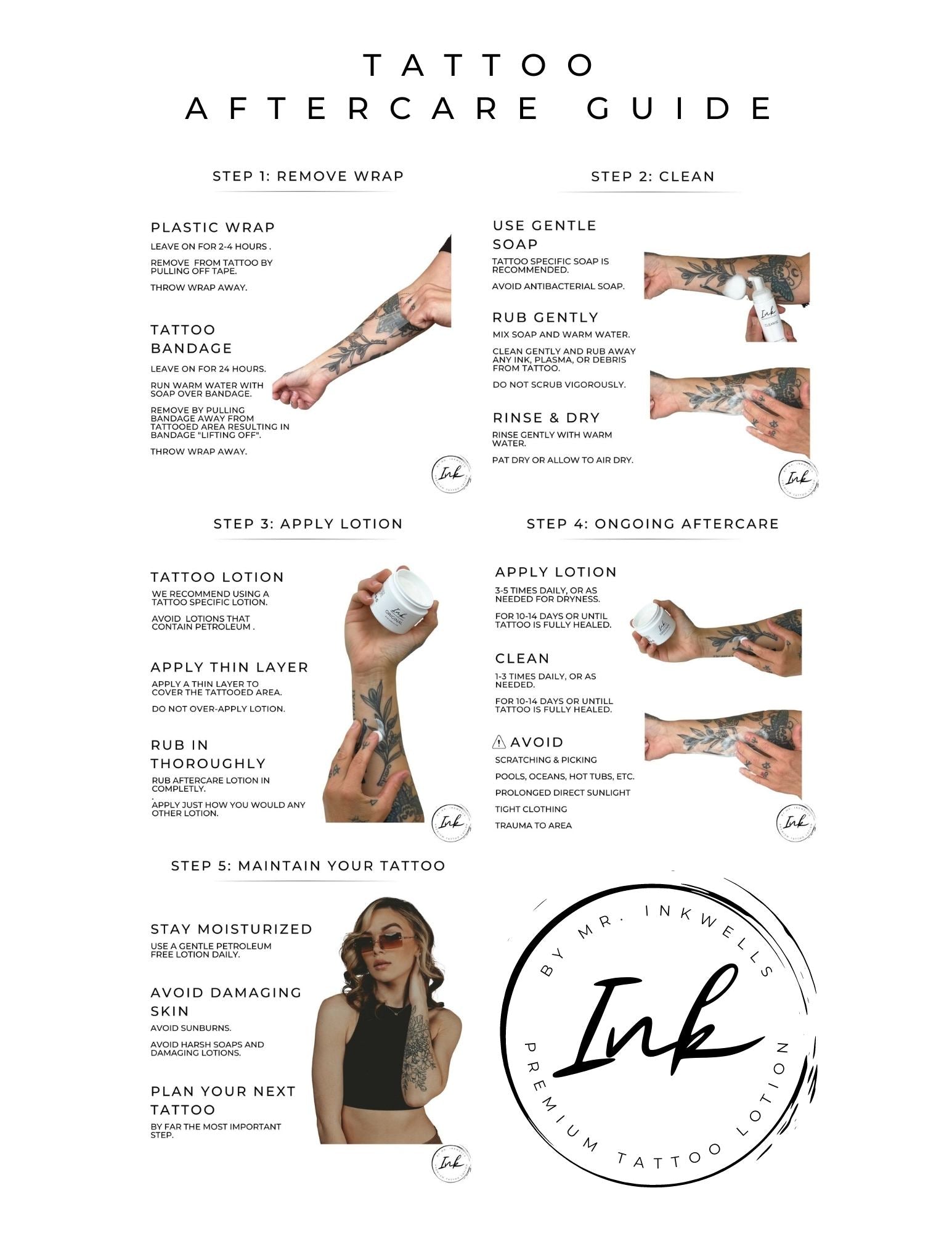
1. Keep the Tattoo Clean and Wash Gently with Antibacterial Soap
The most fundamental aspect of tattoo aftercare is maintaining cleanliness. After removing the initial bandage (typically within a few hours to a day as instructed by your artist), you'll need to establish a gentle cleaning routine. Use lukewarm water and a mild, fragrance-free antibacterial soap to cleanse the tattooed area. Avoid scrubbing or using washcloths; instead, use your clean hands to gently wash the area in circular motions.
This cleaning process should be repeated 2-3 times daily during the first week, then reduced to once or twice daily as healing progresses. The goal is to remove any plasma, blood, or ink residue that may accumulate on the surface while preventing bacterial growth. After washing, pat the area dry with a clean paper towel or let it air-dry completely before applying any moisturizer.
2. Apply a Thin Layer of Unscented Moisturizer or Tattoo Aftercare Balm
Once your tattoo is completely dry after cleaning, it's time to moisturize. Apply a very thin layer of fragrance-free, alcohol-free moisturizer or a specialized tattoo aftercare balm recommended by your artist. The key word here is "thin" – over-moisturizing can actually hinder the healing process by suffocating the skin and creating an environment where bacteria can thrive.
Popular aftercare products include unscented lotions like Lubriderm or Eucerin, or specialized tattoo balms such as Aquaphor or Hustle Butter. Apply the moisturizer 2-3 times daily, or whenever the tattoo feels tight or dry. The skin should feel soft and supple, but never greasy or overly saturated. If you notice any adverse reactions such as excessive redness, swelling, or irritation, discontinue use and consult your tattoo artist or healthcare provider.
3. Avoid Soaking the Tattoo (No Baths, Swimming, or Hot Tubs for 2-3 Weeks)
While keeping your tattoo clean is essential, avoiding prolonged water exposure is equally important. For the first 2-3 weeks of healing, you should avoid baths, swimming pools, hot tubs, saunas, and any activity that involves soaking the tattooed area. Quick showers are perfectly fine and necessary for hygiene, but extended water exposure can soften the healing skin, potentially causing ink to leach out and increasing infection risk.
Chlorinated pool water and hot tub chemicals are particularly problematic, as they can irritate the healing skin and disrupt the natural healing process. Ocean water, while natural, contains bacteria and salt that can also interfere with proper healing. If you must be around water for work or other obligations, consider waterproof bandaging options, but consult with your tattoo artist first for specific recommendations.
Content is being updated. Check back soon.
These first three aftercare tips form the cornerstone of proper tattoo healing. In Part 2 of this guide, we'll explore the remaining two crucial tips that focus on protecting your new tattoo from environmental damage and avoiding behaviors that can compromise the healing process. Remember, consistency is key – following these guidelines diligently during the critical first few weeks will set your tattoo up for a lifetime of vibrant, healthy appearance.
Content is being updated. Check back soon.
Essential Tattoo Aftercare Tips (Continued)
Building on the foundation of proper cleaning and moisturizing, the remaining three tattoo aftercare practices are equally critical for ensuring your new ink heals beautifully and maintains its vibrancy for years to come.
Content is being updated. Check back soon.
3. Avoid Soaking the Tattoo
One of the most important rules during the healing process is to avoid soaking the tattoo in water for extended periods. This means no baths, swimming pools, hot tubs, or saunas for 2-3 weeks after getting your tattoo. While quick showers are perfectly fine and necessary for hygiene, prolonged water exposure can soften the skin excessively and potentially pull ink from the healing tattoo.
Soaking can also introduce bacteria and other contaminants that may cause infections. Pool water contains chlorine and other chemicals that can irritate healing skin, while hot tubs and natural bodies of water harbor bacteria that pose serious infection risks. When showering, keep it brief and avoid directing high-pressure water streams directly onto the tattoo.
4. Stay Out of Direct Sunlight
UV radiation is one of the biggest enemies of both healing and healed tattoos. During the initial healing period, which typically lasts 2-4 weeks, your fresh tattoo is essentially an open wound that's extremely sensitive to sun exposure. Direct sunlight can cause severe burns, blistering, and permanent damage to the tattoo.
Even after healing, prolonged sun exposure will cause tattoo colors to fade and blur over time. If you must be outdoors, keep the tattoo covered with loose, breathable clothing. Once fully healed, always apply a broad-spectrum SPF 30 or higher sunscreen to protect your investment. Avoid tanning beds entirely during the healing process, as the concentrated UV exposure can cause irreversible damage.
Content is being updated. Check back soon.
5. Don't Pick, Scratch, or Peel
Perhaps the most challenging aspect of tattoo aftercare is resisting the urge to pick at healing skin. As your tattoo heals, it will go through several stages including peeling, flaking, and scabbing. This is completely normal and part of the natural healing process. However, picking, scratching, or forcibly removing scabs and peeling skin can pull out ink, create scars, and lead to uneven healing.
The itching sensation during healing is common and can be intense, but scratching will only make it worse and potentially damage your tattoo. Instead, gently pat or tap the itchy area, apply a thin layer of moisturizer, or use a cold compress to alleviate discomfort. If you notice excessive scabbing, unusual discharge, or signs of infection such as red streaking, increased warmth, or pus, contact your tattoo artist or healthcare provider immediately.
[step-by-step-guide: Complete tattoo healing timeline from day 1 through week 4, including what to expect and when to take specific actions]Creating Your Aftercare Routine
Successful tattoo aftercare requires consistency and patience. Establish a routine that incorporates all five essential practices: gentle cleaning with antibacterial soap, regular application of unscented moisturizer or tattoo aftercare balm, avoiding water submersion, protecting from sun exposure, and resisting the urge to pick or scratch.
Remember that healing times vary depending on tattoo size, location, and individual factors such as age, health, and immune system function. Larger tattoos or those in areas that experience more movement may take longer to heal completely. Most tattoos will appear healed on the surface within 2-3 weeks, but complete healing of deeper skin layers can take up to 6 months.
Content is being updated. Check back soon.
Your tattoo artist is your best resource for specific aftercare instructions, as different artists may have slight variations in their recommended routines based on their experience and the specific techniques they use. Don't hesitate to contact your tattoo shop if you have questions or concerns during the healing process. Following these five essential aftercare tips will help ensure your new tattoo heals properly and remains a beautiful piece of art you'll be proud to show off for years to come.
No comments yet. Be the first to share your thoughts!