


Understanding Blackwork Tattoos: The Foundation of Bold Expression
Blackwork tattoos represent one of the most striking and enduring styles in contemporary tattooing, utilizing exclusively black ink to create powerful, high-contrast designs that command attention. This artistic approach has evolved from ancient tribal traditions into a sophisticated modern art form that emphasizes form, negative space, and intricate detailing over color complexity.
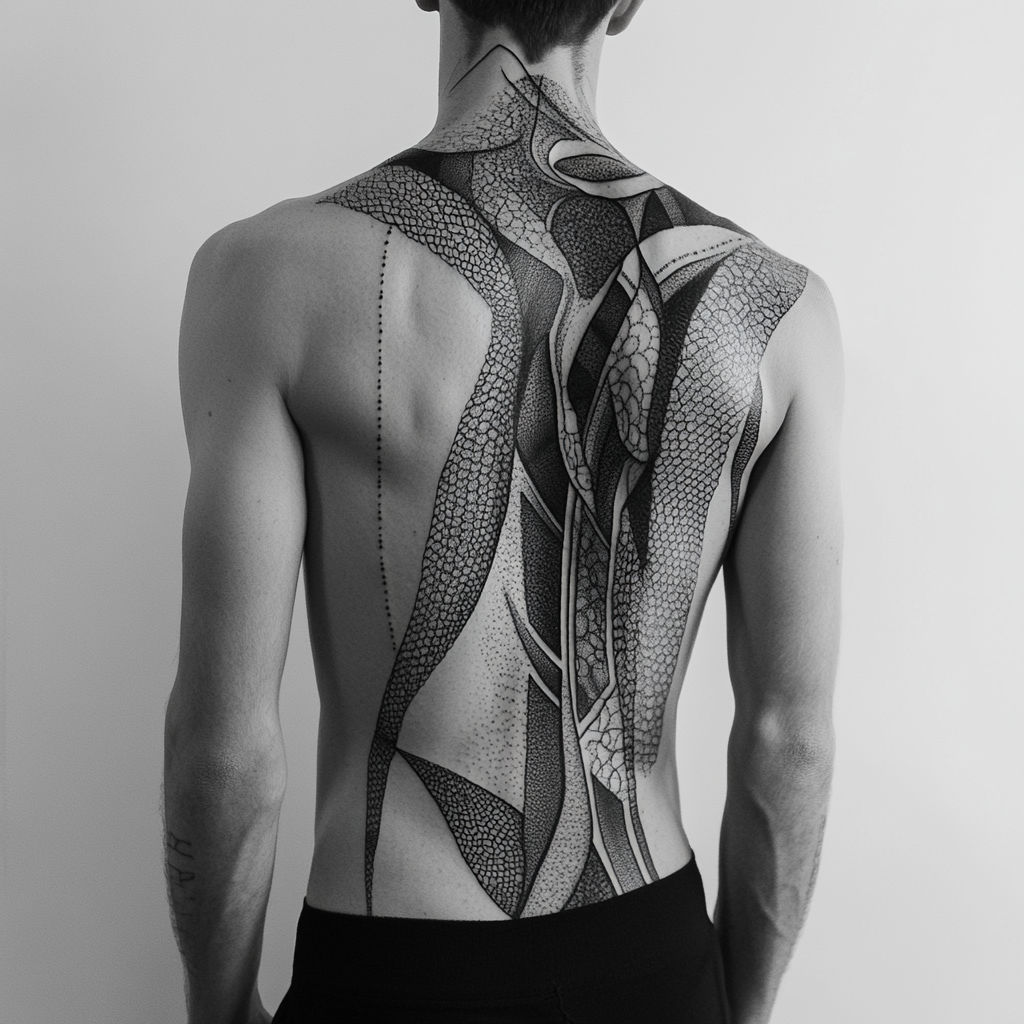
The essence of a blackwork tattoo lies in its ability to create visual impact through the strategic use of solid black areas, fine line work, and carefully planned negative space. Unlike traditional tattoos that rely on color gradients and shading techniques, blackwork designs depend entirely on the contrast between ink and skin to achieve their dramatic effect.
Core Elements of Black Ink Tattoo Design
Successful black ink tattoo compositions incorporate several fundamental design principles that distinguish them from other tattoo styles. The primary element is the bold use of solid black areas, which create strong visual anchors and define the overall composition. These solid sections are often balanced with intricate line work that adds detail and complexity without compromising the design's bold character.
Negative space plays a crucial role in blackwork aesthetics, serving as both a design element and a breathing room that prevents the tattoo from appearing overwhelming. Skilled artists understand how to manipulate the relationship between inked and uninked areas to create depth, movement, and visual interest.
Texture variation is another hallmark of quality blackwork, achieved through different techniques such as stippling, cross-hatching, and varying line weights. These textural elements add dimension to what might otherwise appear as flat, two-dimensional designs.
The Rise of Geometric Blackwork
Geometric blackwork has emerged as one of the most popular subcategories within this style, characterized by precise mathematical patterns, symmetrical compositions, and often incorporating elements of sacred geometry. These designs appeal to clients seeking tattoos with both aesthetic beauty and deeper symbolic meaning.
Test Your Blackwork Tattoo Knowledge
Blackwork tattoos have become one of the most striking and enduring styles in modern tattooing. From geometric patterns to intricate dotwork, this bold art form relies on the power of black ink alone to create stunning visual impact. How well do you know the fundamentals of blackwork tattooing? Test your knowledge with this comprehensive quiz.
Mandala designs, featuring intricate circular patterns radiating from a central point, represent a significant portion of geometric blackwork requests. These tattoos often hold spiritual significance while providing artists with opportunities to showcase their technical precision and attention to detail.
Sacred geometry patterns, including the Flower of Life, Metatron's Cube, and various polygonal forms, have gained popularity among clients interested in tattoos that reflect universal principles and mathematical harmony. These designs require exceptional skill to execute properly, as even minor imperfections become immediately apparent in the stark black-and-skin contrast.
Technical Considerations for Blackwork Success
Creating effective blackwork tattoos demands specific technical expertise from both artist and client perspectives. Artists must possess exceptional line work skills, as there are no colors to mask imperfections or unsteady hands. The permanence and boldness of black ink mean that corrections are difficult, if not impossible, making initial execution critical.
Skin tone considerations play a vital role in blackwork planning, as the contrast between black ink and natural skin color affects the final visual impact. Artists must adjust their approach based on individual skin characteristics to ensure optimal healing and long-term appearance.
Size and placement decisions carry additional weight in blackwork design, as these tattoos tend to age differently than colored pieces. Larger designs generally maintain their impact better over time, while smaller blackwork pieces may lose definition as the ink naturally spreads slightly during the healing process.

The growing popularity of blackwork tattoos reflects a broader trend toward minimalist aesthetics and timeless design choices. As clients increasingly seek tattoos that will remain visually striking throughout their lifetime, the enduring appeal of bold black ink continues to drive innovation within this classic style.
Mastering Blackwork Techniques and Design Elements
The execution of blackwork tattoos requires exceptional skill and precision from both artist and client. Unlike color tattoos that can rely on gradients and hue variations to create depth, blackwork artists must master the interplay of solid black areas, negative space, and varying line weights to achieve visual impact.
Essential Blackwork Techniques
Geometric blackwork represents one of the most technically demanding applications of this style. Artists must possess mathematical precision when creating mandalas, sacred geometry, and ornamental patterns. The slightest deviation in symmetry or proportion becomes immediately apparent in these designs, making them excellent tests of an artist's technical proficiency.
Dotwork, another cornerstone technique, involves creating images and textures through carefully placed dots of varying sizes and densities. This method allows for subtle gradations and texture effects while maintaining the pure black aesthetic. Master dotwork artists can achieve photorealistic effects using nothing but strategically placed dots.
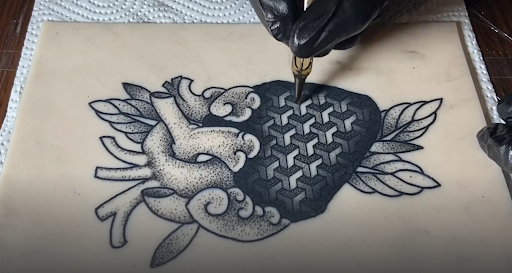
Negative space utilization distinguishes exceptional blackwork from mediocre attempts. Skilled artists understand that what they don't ink is equally important as what they do. The strategic use of untouched skin creates contrast, defines shapes, and allows the eye to rest while maintaining the overall composition's balance.
Design Considerations and Placement
Successful blackwork tattoos require careful consideration of body placement and how designs interact with natural anatomy. Neo-tribal styles, experiencing renewed popularity in 2026, exemplify this principle by flowing with muscle definition and bone structure rather than fighting against them.
Large-scale blackwork pieces often work best on areas with substantial surface area, such as the back, chest, or full sleeves. These placements allow for the bold, sweeping designs that make blackwork so visually striking. However, smaller geometric pieces can be equally effective when properly scaled and positioned.
Aftercare and Longevity Considerations
Black ink tattoos generally age better than their colorful counterparts, as black pigment tends to fade more uniformly and maintains its contrast longer. However, proper aftercare remains crucial for preserving the crisp lines and solid fills that define quality blackwork.
The healing process for large blackwork pieces can be more intensive due to the extensive solid black areas. These sections require more ink saturation during the tattooing process and may experience different healing patterns compared to line work or dotwork sections.
Choosing the Right Artist
Not every tattoo artist excels at blackwork. This style demands specific skills in line consistency, solid fill techniques, and spatial design. When selecting an artist for blackwork, examine their portfolio specifically for examples of geometric precision, clean line work, and effective use of negative space.
Artists specializing in blackwork often develop signature approaches to common elements. Some excel at organic, flowing designs, while others master precise geometric constructions. Understanding an artist's strengths helps ensure your vision aligns with their capabilities.
Cultural Sensitivity and Modern Interpretations
As blackwork often draws inspiration from traditional tribal and cultural designs, modern practitioners must navigate questions of cultural appropriation respectfully. Contemporary blackwork artists increasingly focus on creating original geometric and abstract designs that capture the aesthetic power of traditional styles without directly copying sacred or culturally specific imagery.
This evolution has led to innovative fusion styles that combine traditional blackwork principles with modern artistic sensibilities, resulting in designs that feel both timeless and contemporary.
No comments yet. Be the first to share your thoughts!