
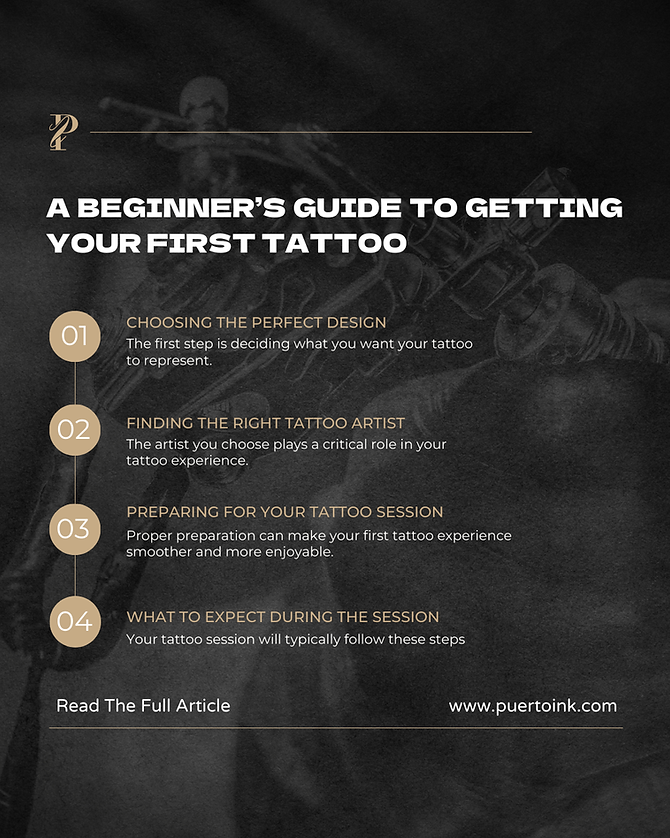

How to Choose Your First Tattoo: A Beginner's Guide - Part 1
Getting your first tattoo is an exciting milestone that requires thoughtful planning and consideration. Unlike temporary decisions, a tattoo becomes a permanent part of your body, making it crucial to approach this choice with careful deliberation. This comprehensive beginner tattoo guide will walk you through the essential factors to consider before taking the plunge.
Understanding the Commitment
Before diving into design choices and placement options, it's important to understand that getting a first tattoo involves both physical and emotional preparation. The decision should never be made impulsively, as removal processes are costly, time-consuming, and often incomplete. Take time to reflect on your motivations and ensure you're ready for this permanent commitment.
Are You Ready for Your First Tattoo? A Readiness Assessment
Getting your first tattoo is an exciting milestone, but it requires careful preparation and consideration. This quiz will help you assess whether you're truly ready to take the plunge by evaluating your commitment level, design clarity, research efforts, and practical planning. Answer honestly to determine if you're prepared for this permanent decision.
Selecting Your Design: Start with Meaning
The most successful first tattoos are those with personal significance. Whether it's a symbol representing your values, a tribute to someone important, or an artistic expression of your personality, meaningful designs tend to age well emotionally. Avoid choosing designs based solely on current trends, as these may feel dated in years to come.
For beginners, simplicity is key. Clean lines, minimal shading, and straightforward designs not only heal more predictably but also tend to look crisp longer. Complex pieces with intricate details may not be the best choice for a first tattoo, as they require more skill to execute properly and can be more challenging to maintain.
Strategic Tattoo Placement for Beginners
Tattoo placement significantly impacts both the tattooing experience and long-term satisfaction. For first-time tattoo recipients, certain body areas offer advantages in terms of pain management and healing.
Less painful locations for beginners include the outer upper arm, shoulder, forearm, thigh, and calf. These areas have more muscle and fat tissue, which helps cushion the needle's impact. Additionally, these locations are easier to care for during the healing process and can be easily concealed if needed for professional settings.

Conversely, areas to avoid for your first tattoo include the ribcage, spine, hands, feet, and areas near joints. These locations are typically more painful and may present healing challenges for inexperienced tattoo recipients.
Size Considerations for First Tattoos
When planning your first tattoo, size matters more than you might think. Smaller tattoos offer several advantages for beginners: they're less expensive, require shorter sessions, heal faster, and allow you to test your pain tolerance. A small to medium-sized piece, roughly 2-4 inches, provides an excellent starting point.
Remember that you can always add to or expand a smaller tattoo later, but reducing the size of a large piece requires expensive laser removal or cover-up work.
First Tattoo Fundamentals: Test Your Knowledge
Getting your first tattoo is an exciting milestone, but it requires careful planning and knowledge. From choosing the right design size to understanding proper aftercare, there are many factors that can make or break your tattoo experience. Test your understanding of first tattoo essentials with this quiz and see if you're ready to make informed decisions about your ink journey.
Professional vs. Amateur: Why Quality Matters
One of the most critical decisions in your first tattoo journey is choosing the right artist and shop. Professional tattoo parlors maintain strict hygiene standards, use high-quality equipment, and employ experienced artists who can guide you through the process safely.
Research potential artists by examining their portfolios, reading reviews, and visiting shops in person. A reputable tattoo shop will be clean, well-organized, and staffed with artists who are happy to answer your questions and address your concerns.
Essential Pre-Tattoo Checklist
Before scheduling your appointment, ensure you've completed thorough research, have a clear design concept, understand the aftercare requirements, and are in good physical health. Avoid alcohol and blood-thinning medications before your session, and make sure you're well-rested and have eaten properly.
In Part 2 of this guide, we'll explore the tattoo process itself, aftercare essentials, and long-term maintenance to ensure your first tattoo experience is positive and your new ink heals beautifully.
Finalizing Your First Tattoo Decision
After considering design and placement options, the final phase of your first tattoo journey involves practical preparation and making informed choices about your tattoo artist and studio. This stage is crucial for ensuring both your safety and satisfaction with the final result.
Researching and Selecting Your Tattoo Artist
The skill and experience of your tattoo artist significantly impact your tattoo's quality and your overall experience. Start by researching local tattoo shops through TattooRate's comprehensive directory, where you can read authentic reviews from previous clients and view artist portfolios. Look for artists who specialize in your chosen style, whether it's traditional, realistic, geometric, or watercolor.
When evaluating potential artists, examine their portfolio carefully. Pay attention to line quality, shading consistency, and how well their previous work has aged. Don't hesitate to schedule consultations with multiple artists before making your decision. A professional tattoo artist will be happy to discuss your design, provide honest feedback about placement and sizing, and explain their process thoroughly.
[checklist: Essential questions to ask your tattoo artist before booking]Understanding the Tattooing Process
Knowing what to expect during your tattoo session helps reduce anxiety and ensures you're properly prepared. Most first tattoo sessions last between one to three hours, depending on the size and complexity of your design. Your artist will begin by cleaning and preparing the skin, then applying a stencil of your design for final approval.
The actual tattooing process involves inserting ink into the dermis layer of your skin using a tattoo machine. While everyone's pain tolerance differs, most people describe the sensation as similar to a continuous scratch or vibrating needle. Remember that some discomfort is normal, but the pain should never be unbearable.
[quiz: Test your tattoo readiness knowledge]Aftercare and Healing Expectations
Proper aftercare is essential for optimal healing and preserving your tattoo's appearance. Your tattoo artist will provide specific aftercare instructions, but general guidelines include keeping the tattoo clean and moisturized, avoiding direct sunlight, and refraining from swimming or soaking in water for at least two weeks.
The healing process typically takes two to four weeks for the surface to heal completely, though deeper healing continues for several months. During this time, your tattoo may appear cloudy or dull before revealing its final vibrant appearance. Expect some peeling and flaking, which is completely normal as your skin regenerates.
[image: Step-by-step visual guide showing proper tattoo aftercare routine]Budget Considerations and Investment Value
Quality tattoos require a significant financial investment, and your first tattoo is not the place to cut corners. Prices vary based on factors including artist experience, studio location, design complexity, and time required. Small, simple designs typically start around $100-200, while larger pieces can cost several hundred to thousands of dollars.
Remember that a tattoo is a lifetime investment in your body art. Choosing a skilled, experienced artist may cost more initially but often results in better work that ages well and requires fewer touch-ups. Many reputable studios offer payment plans or accept deposits to help manage the financial aspect of your tattoo investment.
Community Insights and Final Preparation
Learning from others' experiences can provide valuable insights for your first tattoo journey. The tattoo community is generally supportive and willing to share advice about everything from pain management techniques to aftercare products that work best.
[community-poll: What do you wish you had known before getting your first tattoo?]As you prepare for your appointment, ensure you're well-rested, have eaten a good meal, and stay hydrated. Avoid alcohol and blood-thinning medications for at least 24 hours before your session. Bring a friend for moral support if your artist allows it, and wear comfortable clothing that provides easy access to the tattoo area.
Your first tattoo marks the beginning of a personal journey in body art. By taking time to research, plan, and prepare properly, you're setting yourself up for a positive experience and a tattoo you'll love for years to come. Trust the process, communicate openly with your artist, and remember that some nervousness is completely normal for first-time tattoo recipients.
No comments yet. Be the first to share your thoughts!