

Start with verified review platforms
Social media algorithms prioritize aesthetic appeal over reality, which can distort your view of a studio’s actual hygiene and service quality. To build a reliable shortlist, you need to anchor your search on platforms that verify identity or require proof of service. This filters out the noise and gives you a clearer picture of how the artist treats clients in practice.
Yelp remains a foundational resource for finding local tattoo shops. Because it relies on user-generated content tied to specific locations, you can quickly scan for recurring themes in customer feedback. Look beyond the star rating; read the detailed comments to see if clients mention cleanliness, punctuality, and how the artist handled adjustments or concerns. A studio with hundreds of reviews often has a more stable track record than a newer shop with only a handful of five-star ratings.
For a more niche approach, Tattoodo aggregates reviews from a dedicated community of tattoo enthusiasts. This platform often features verified bookings, which adds a layer of authenticity to the feedback. You can see how artists are rated by people who have actually booked sessions through the site, providing insight into the booking experience and the final result. This is particularly useful for comparing multiple artists within a single studio or across your city.
While social media is excellent for viewing portfolio work, it should not be your primary source for evaluating reliability. Use these verified review platforms to assess professionalism and consistency. Once you have a few strong candidates based on these reviews, you can then cross-reference them with their Instagram or portfolio sites to confirm their artistic style aligns with your vision.
Evaluate Artist Style and Hygiene
Reading reviews is only half the battle; you must verify that the artist’s visual portfolio matches the praise and that their hygiene standards are non-negotiable. Cross-reference the specific compliments in reviews with the actual artwork shown on the artist’s social media or website. If a review praises "clean lines" but the portfolio shows blurred or blown-out tattoos, the review may be generic or fabricated.
Hygiene is the primary safety filter. Look for reviews that explicitly mention the studio's cleanliness, the artist's use of new needles, and their willingness to explain the setup process. A studio that prioritizes safety will have reviews from clients who felt comfortable asking questions. Avoid artists whose reviews focus solely on price or speed without mentioning the experience or the healing process.
To help you decide, compare key metrics across potential artists. This table breaks down what to look for in verified reviews versus visual proof.

| Metric | What Reviews Should Say | Visual Proof to Check |
|---|---|---|
| Hygiene | Mentions clean workspace, new needles, and professional demeanor | Artist wears gloves, uses barrier film on equipment, and follows strict sterilization protocols |
| Style Match | Specific praise for line work, shading, or color saturation | Portfolio shows healed tattoos, not just fresh ink; consistent style across multiple clients |
| Client Comfort | Notes on pain management, communication, and studio atmosphere | Studio appears organized and welcoming in photos; artist demonstrates confidence in their process |
Community feedback often reveals details that official reviews miss. Check local tattoo subreddits or forums for unfiltered experiences. Look for threads where users discuss specific artists’ healing processes or follow-up care, as these are often more reliable than star ratings. Reddit threads can be a goldmine for honest feedback. Search for your city’s tattoo community and look for long-term follow-ups. A review posted six months after the tattoo is far more valuable than one posted the next day, as it confirms how the ink held up over time.
Verify safety and licensing details
Reading reviews is only half the job. You must independently confirm that the studio holds a current health license and follows strict safety protocols. A glowing review for artistry means little if the artist uses unsterilized equipment.
1. Check the official health department registry
Start by visiting your local or state health department website. Most jurisdictions publish a searchable database of licensed tattoo establishments. Look for the studio’s name and verify the license status is "active." If the studio is not listed, or if the license has expired, walk away. This is the most critical filter for your safety.
2. Look for recent compliance citations
While checking the registry, look for any history of violations. Minor citations might indicate a lapse in paperwork, but repeated violations for unsanitary conditions are a major red flag. You can also cross-reference these findings with online reviews. If multiple customers mention dirty floors, unclean stations, or artists not wearing fresh gloves, it likely correlates with official citations.
3. Inspect the studio environment
If you visit the studio for a consultation, treat the space like a medical office. Artists should open new, sealed needles and ink caps in front of you. They must wear fresh gloves and change them if they touch non-sterile surfaces. The workspace should be clearly separated from waiting areas. If the studio looks cluttered or the artist handles money without changing gloves, it is a sign of poor hygiene.
4. Ask about sterilization methods
A professional studio will have an autoclave—a device that sterilizes equipment using high-pressure steam. Ask if they use an autoclave and if they test it regularly with biological indicators. Many studios display their autoclave validation records publicly. If the artist cannot explain their sterilization process clearly, they are not prioritizing your health.
Spot Red Flags in Customer Feedback
Reading reviews is less about the star rating and more about the details in the comments. You are looking for patterns that suggest safety issues, unprofessionalism, or poor aftercare guidance. A studio with dozens of five-star reviews but little substance is often a red flag itself.
Inconsistent Healing Reports
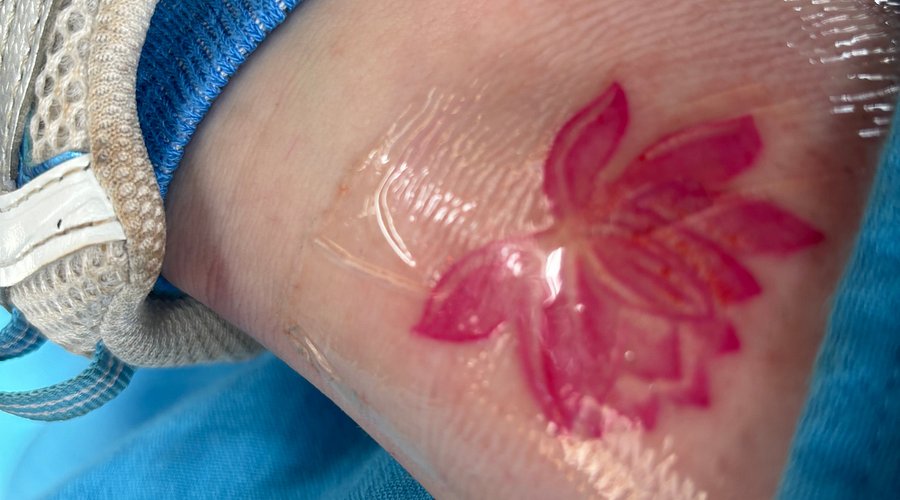
Pay close attention to comments about how tattoos heal. If multiple reviewers mention excessive scabbing, ink loss, or blurred lines, the artist may have technical issues with needle depth or speed. Consistent healing is a sign of skill; erratic results suggest inexperience or rushed work. Look for reviews that include photos of the healed tattoo, not just the fresh ink.
Poor Aftercare Guidance
A professional studio provides clear, detailed aftercare instructions. If reviews mention that staff were dismissive of hygiene questions or failed to explain how to care for the wound, this is a significant safety risk. Proper aftercare is essential for preventing infections and ensuring the longevity of the art. You want a team that prioritizes your health as much as your aesthetic.
Unprofessional Behavior
Beyond the art itself, the studio environment matters. Watch for comments about rude staff, long unexplained waits, or a dirty workspace. If reviewers mention feeling uncomfortable or pressured, trust that instinct. A respectful, clean, and organized studio is a strong indicator of a professional operation that values client safety and comfort.
Book a consultation before committing
Reviews are a starting point, not a final verdict. Reading past clients’ experiences tells you about hygiene and consistency, but it doesn’t reveal if the artist’s style aligns with your vision. A consultation lets you gauge personal chemistry and discuss design specifics that photos in a portfolio can’t capture.
Book a brief meeting, either in person or via a detailed video call. Bring your reference images and ask about their process for custom designs. This is the time to confirm pricing, session length, and deposit requirements. If an artist dismisses your questions or seems rushed, treat it as a warning sign.
Use this meeting to verify that their artistic voice matches the aesthetic you loved in their reviews. A good artist will welcome your input and help refine the concept. This step ensures you’re not just hiring a technician, but partnering with a creator who understands your story.
Frequently asked questions about tattoo reviews
Writing a review helps future clients make informed decisions, but specificity matters more than enthusiasm. Instead of a generic five-star rating, describe the artist’s communication, hygiene standards, and how well they translated your concept into skin. Mentioning details like pain management or aftercare instructions adds value for readers weighing their options.
Spotting fake feedback is critical when choosing a studio. Look for verified purchase badges on platforms like Tattoodo, which host over 8,000 real experiences. Be wary of reviews that use identical phrasing or lack specific details about the session. Genuine reviews often mention the artist’s name, the tattoo’s location, and the timeline of the healing process.
Work through Local Tattoo Reviews
No comments yet. Be the first to share your thoughts!