
How We Picked the Top-Rated Tattoo Shops
Finding a tattoo artist who matches your vision requires more than a quick search. We evaluated the best-rated tattoo shops by looking at consistent high ratings on major review platforms like Yelp, verified portfolio quality, and studio hygiene standards. This approach filters out trendy spots with poor track records and highlights studios that prioritize client safety and artistic longevity.
Our selection process focused on shops with a proven history of excellence. We prioritized establishments that maintain strong community standing and transparent booking practices. By cross-referencing user feedback with professional portfolios, we identified the ten studios that consistently deliver high-quality work across various styles, from traditional to neo-traditional.
This list isn't just about popularity; it's about reliability. Each shop included here has demonstrated the ability to handle everything from small, detailed pieces to large-scale projects with precision. We've also noted which studios offer walk-in services versus appointment-only models, helping you plan your visit accordingly.
10 Best-Rated Tattoo Shops in 2026: Where to Find Your Next Ink Destination
We evaluated hygiene standards, artist portfolios, and customer feedback to identify the most reliable tattoo studios for 2026. This guide highlights specific shops that consistently meet safety protocols and deliver high-quality work, helping you choose a studio that aligns with your style and budget.
1. Black and grey realism specialists
These artists excel in shading gradients and photorealistic detail, transforming skin into canvas for lifelike portraits or intricate wildlife scenes. Look for studios with portfolios showing smooth tonal transitions and sharp focal points. This style demands high precision, so verify hygiene standards and artist experience with large-scale grey wash work before booking your appointment.
2. Traditional American old school studios
Bold black outlines and a limited, vibrant color palette define this enduring style. Studios specializing in American traditional tattoos prioritize clean lines and iconic imagery like anchors, eagles, and roses. These pieces age gracefully, maintaining readability over decades. Choose artists who demonstrate mastery of solid color packing and consistent line weight in their past work.
3. Fine line minimalist tattoo artists
Minimalist practitioners use single-needle techniques to create delicate, intricate designs with minimal ink coverage. This approach suits small, subtle placements and requires exceptional steady hands. Review portfolios for consistent line quality and absence of blowouts. Ideal for those seeking elegant, understated body art that complements rather than dominates the natural skin tone.

4. Japanese irezumi traditional masters
Irezumi involves elaborate narratives featuring dragons, koi fish, and cherry blossoms, often covering large body sections like sleeves or back pieces. Traditional masters adhere to strict compositional rules and use bold outlines with flat, saturated colors. Expect longer sessions and higher costs due to the complexity and time required to achieve authentic, culturally respectful results.
5. Watercolor abstract ink specialists
Watercolor tattoos mimic the bleeding effects of paint, using vibrant splashes and soft gradients without heavy black outlines. This style relies on the artist's ability to control ink flow for organic, dreamlike appearances. It may fade faster than traditional styles, so choose artists with proven track records in maintaining color vibrancy and avoiding muddy blends over time.

6. Neo-traditional illustrative studios
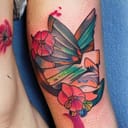
Neo-traditional tattoos blend the bold outlines of classic American traditional with the depth, shading, and color palettes of modern illustration. This style allows for more intricate details, softer gradients, and a wider range of subjects, from floral arrangements to fantasy characters. Look for artists who can balance strong linework with realistic shading to create pieces that pop without looking flat.
7. Tribal and Polynesian heritage artists
Tribal tattoos rely on bold, black geometric patterns that often carry cultural significance or personal meaning. Polynesian styles, in particular, feature complex motifs like turtles, sharks, and waves that symbolize protection, strength, and navigation. These designs require artists with deep understanding of cultural protocols and technical skill in packing solid black ink evenly over large areas.
8. Micro-realism portrait experts
Micro-realism takes the precision of traditional realism to a smaller scale, often fitting intricate portraits or detailed objects into small spaces like fingers, wrists, or behind the ear. This style demands extreme accuracy and a steady hand, as there is little room for error. Verify that the artist has specific experience with small-scale healing, as fine details can blur if the skin reacts poorly to trauma.
9. Dotwork and geometric mandala studios
Dotwork artists create images using thousands of tiny dots, relying on density and spacing to form shading and outlines. This technique is popular for geometric mandalas, sacred geometry, and optical illusions. Look for artists who maintain consistent dot spacing and clean lines, as uneven dotting can make the design look muddy or unprofessional. This style often requires multiple sessions to achieve the desired depth.
10. Blackwork and ornamental specialists
Blackwork encompasses a wide range of styles that use only black ink, from solid black shapes to intricate ornamental patterns. Ornamental blackwork often features lace-like details, filigree, and symmetrical designs that wrap around limbs or cover large body panels. This style is highly customizable and can be combined with other techniques. Choose artists who demonstrate strong composition skills to ensure the design flows well with your body's natural contours.
Pick the right fit
Choosing a tattoo shop is less about finding the cheapest option and more about matching your style with an artist’s specialty. A shop might have five-star reviews, but if the lead artist specializes in traditional American ink and you want fine-line botanical work, the result won’t be what you envisioned.
Start by reviewing the artist’s portfolio for recent work that matches your desired style. Look for consistent line quality, solid shading, and clear composition in healed photos if available. This visual check is your best filter before you ever book a consultation.
Next, verify hygiene standards. Reputable shops follow strict safety protocols, including the use of autoclaves for sterilization and single-use needles. You should feel comfortable asking about their sanitation process. A professional artist will welcome these questions and explain their setup clearly.
Finally, consider the shop’s vibe and location. Some artists prefer quiet, appointment-only studios, while others thrive in busy, walk-in friendly spaces. Make sure the environment matches your comfort level, especially if you are getting a large or painful piece.
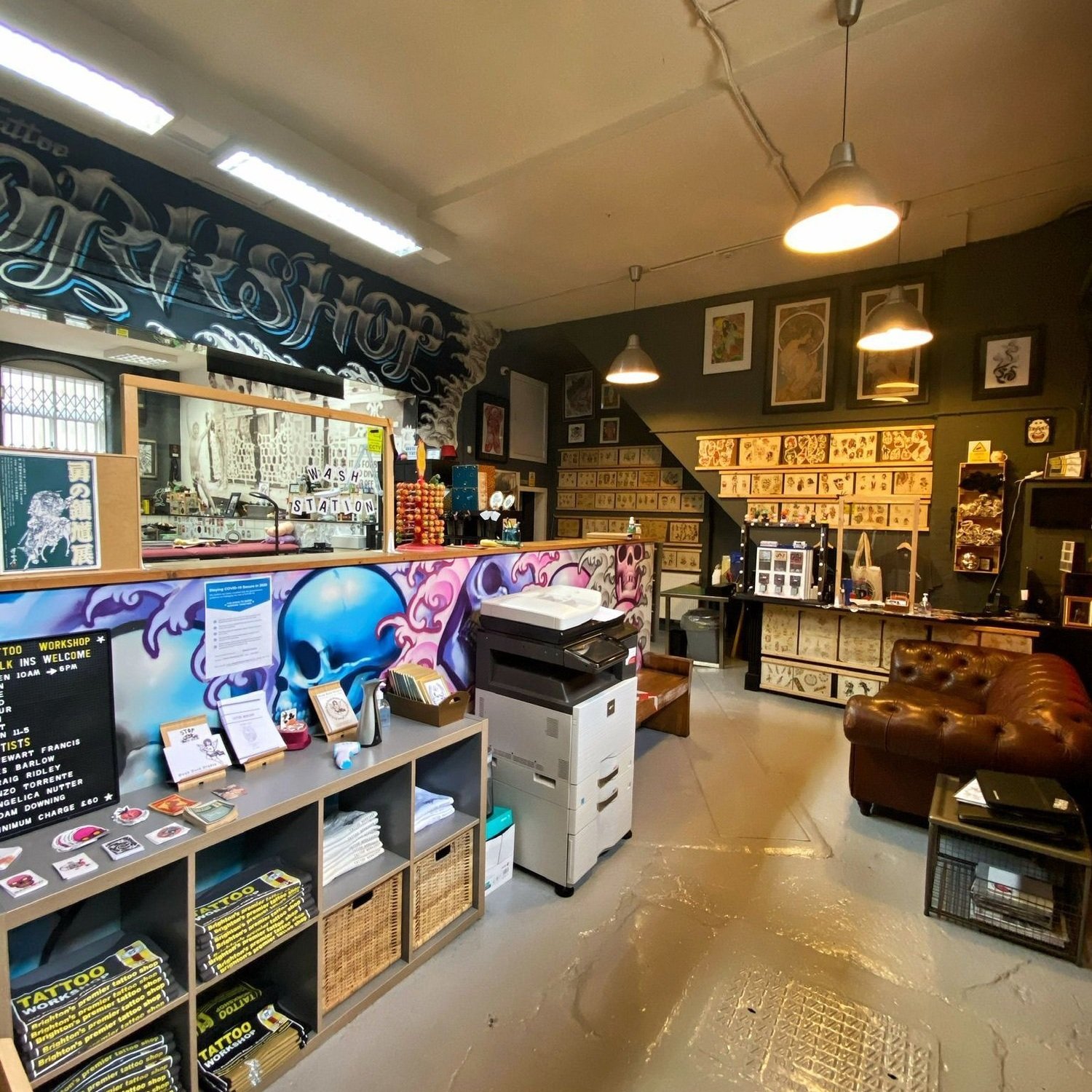
Don’t just look at the "best of" gallery. Scroll through recent uploads to see current style and consistency. Check for healed work to judge how the ink settles over time.
Look for visible autoclave bags or ask directly about sterilization. Reputable shops use barrier protection on all surfaces and open sterile needle packages in front of you.
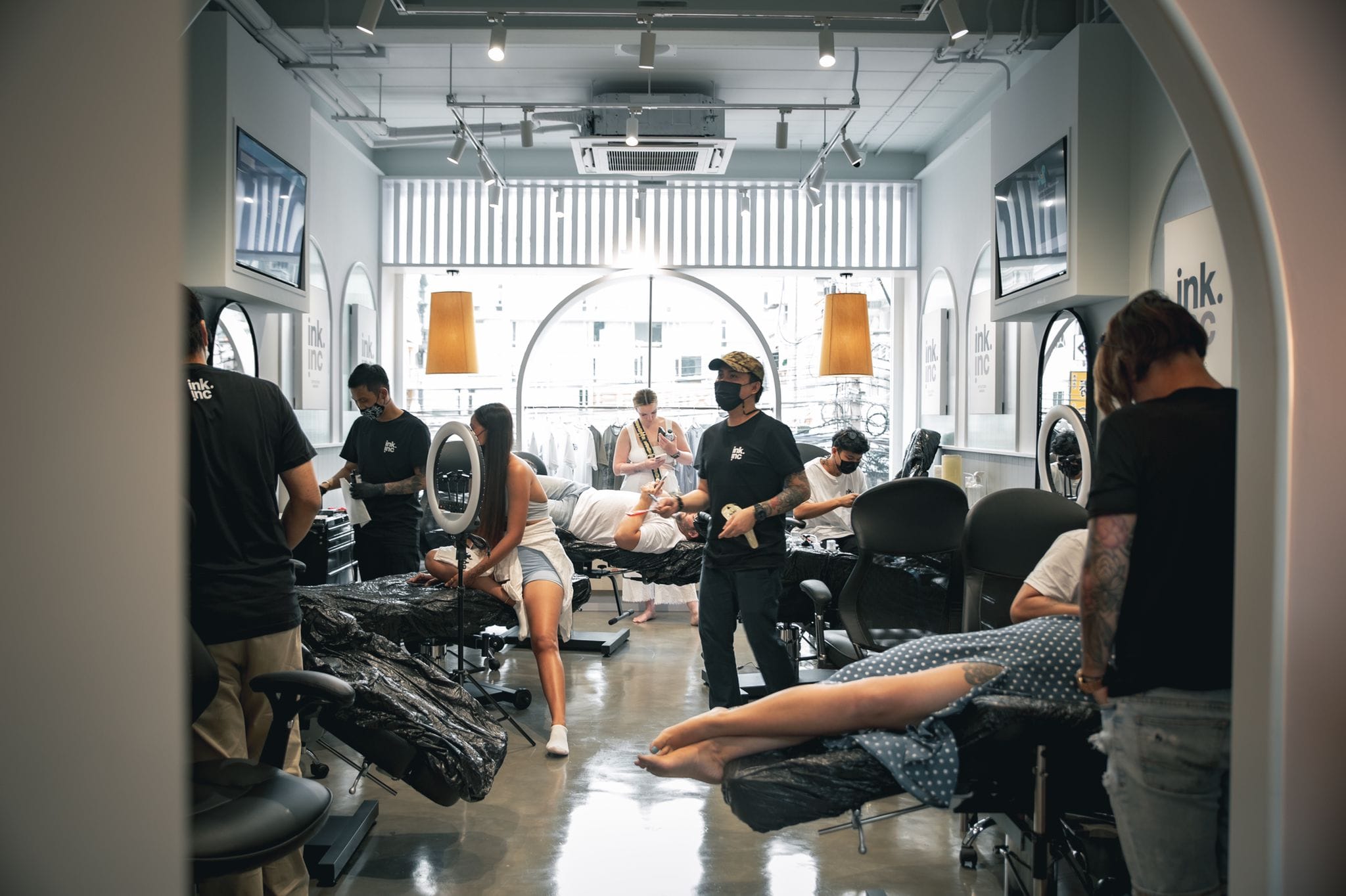
Meet the artist in person or via video call. Discuss your idea, size, and placement. Gauge their enthusiasm and willingness to modify your design for better longevity.


As an Amazon Associate, we may earn from qualifying purchases.
Frequently Asked Questions About Rated Tattoo Shops in 2026
How do I verify a tattoo shop’s safety standards? Look for state health department licenses displayed prominently in the shop. Reputable shops maintain clean, sterile environments that meet or exceed local health codes. Always ask to see their autoclave certification and single-use needle protocols before booking.
Can I walk into a top-rated shop without an appointment? While some locations accept walk-ins, most highly rated shops require appointments to ensure artists have adequate time for complex designs. Shops often book weeks in advance. For spontaneous ink, call ahead to check for cancellation slots or ask about dedicated walk-in hours.
What should I bring to my first tattoo session? Bring a valid government-issued ID, a signed consent form if you completed it online, and a snack or meal beforehand to prevent fainting. Wear loose, comfortable clothing that allows easy access to the tattoo area. Avoid alcohol and blood-thinning medications for 24 hours prior to your appointment.
How much should I tip a tattoo artist? The standard tip for tattoo artists is 15-20% of the total cost, similar to other service industries. If your artist provided exceptional service, custom design work, or extended hours, consider tipping on the higher end. Tipping is a direct way to support the artist’s craft and build a relationship for future work.
No comments yet. Be the first to share your thoughts!