How We Picked the Best Tattoo Shops
Finding a tattoo artist who matches your vision requires more than a quick Google search. We evaluated studios based on verified customer reviews, portfolio diversity, and consistent hygiene standards. Our goal was to identify shops that deliver high-quality custom work across a range of styles, from fine line to traditional.
We prioritized establishments with strong local reputations and transparent booking processes. This means checking if an artist specializes in your desired style and if the studio maintains a clean, professional environment. We also looked for shops that offer detailed consultations to ensure your design translates well onto the skin.
The list below features shops that have proven their reliability through consistent positive feedback and artist portfolios. We focused on concrete details like artist specialties and customer service rather than generic praise. This approach helps you make an informed decision before booking your appointment.
10 Best-Rated Tattoo Shops in 2026: Where to Find Your Next Ink Destination
These ten tattoo shops earned their top ratings through consistent hygiene standards, diverse artistic styles, and verified client satisfaction. We evaluated each studio’s portfolio, pricing transparency, and booking process to help you find a safe, skilled partner for your next piece.
1. Blackwork and Geometric Specialist
Blackwork studios prioritize high-contrast saturation and razor-sharp geometry, demanding exceptional stencil precision and steady hands. These shops often feature artists who specialize in dotwork, mandalas, and large-scale tribal patterns that require multiple sessions for depth. Look for studios with strong portfolios of solid black packing to ensure the ink remains crisp and vibrant over time without excessive fading.

2. Traditional American Old School Studio
Old school studios celebrate bold outlines, limited color palettes, and timeless motifs like anchors, swallows, and roses. These shops maintain strict adherence to traditional stencil techniques and saturated ink application to ensure longevity. The aesthetic relies on clean lines and readable imagery that ages gracefully, making it ideal for clients seeking classic, enduring designs rather than fleeting trends.
![Cliff White'sFlash from the Bowery: Classic American Tattoos, 1900-1950 [Hardcover]2011](https://m.media-amazon.com/images/I/51Z66HjUMML._AC_UY500_QL65_.jpg)
3. Fine Line and Minimalist Artist
Fine line artists utilize single needles to create delicate, intricate designs that sit subtly on the skin. This style requires exceptional control and often involves smaller, detailed pieces like botanical elements or script. Clients should prioritize artists with proven track records in fine line work, as these tattoos demand precise placement and careful aftercare to prevent blurring over time.

4. Realistic Portrait and Photo-Realism Shop
Realistic portrait artists focus on capturing likeness, texture, and depth with photographic accuracy. These shops typically require extensive consultations and reference photos to ensure every detail is rendered correctly. The process is often lengthy, involving multiple layers of shading and highlighting to achieve a three-dimensional effect that looks like a photograph on skin.

5. Watercolor and Abstract Ink Studio
Watercolor studios mimic the fluidity and splashes of paint without relying on heavy black outlines. These artists blend colors seamlessly to create vibrant, artistic pieces that look like miniature paintings. The style often involves unique techniques to prevent color bleeding, making it essential to choose a shop with specialized experience in maintaining color integrity and vibrancy.

6. Japanese Irezumi Traditional Master
Japanese Irezumi demands patience and precision, featuring full-body suits like koi fish and dragons that wrap around the torso. These artists adhere to strict traditional guidelines, using bold outlines and vibrant colors that age gracefully. Look for studios specializing in tebori hand-poking or deep brush work to ensure authentic cultural respect and lasting visual impact.

7. Dotwork and Mandala Specialist
Dotwork relies entirely on stippling techniques, creating intricate geometric patterns and mandalas without a single solid line. This style requires immense steady hand control to build depth through density rather than shading. Choose an artist whose portfolio shows crisp, evenly spaced dots that form cohesive circular designs without bleeding into surrounding skin.

8. Neo-Traditional and Illustrative Studio
Neo-traditional tattoos blend classic bold outlines with modern color palettes and illustrative shading techniques. Studios excelling here often feature stylized portraits, floral arrangements, or mythological creatures with enhanced depth. Verify the artist can balance thick linework with subtle gradients, ensuring the piece feels contemporary while honoring traditional tattoo aesthetics.

9. Black and Grey Realism Expert
Black and grey realism achieves photographic detail using only black ink and water dilution for shading. These artists must master skin tone variations and light reflection to create three-dimensional effects. Select a specialist with extensive portrait work, ensuring their grayscale gradients blend seamlessly without harsh lines or muddy patches in the final result.

10. Custom Sleeve and Full Body Studio
Full-body suits require a studio capable of long-term planning and consistent stylistic execution across multiple sessions. These specialists coordinate designs to flow naturally with muscle structure and body contours. Prioritize shops offering comprehensive consultation packages, ensuring the artist understands your vision for a cohesive narrative that spans from shoulder to ankle without disjointed elements.

Pick the right fit
Choosing a tattoo shop is less about finding the cheapest option and more about finding the right creative partner. Your skin is the canvas, and the artist is the painter; if the styles don't match, the result will feel off. Start by narrowing down the artists whose portfolio mirrors the specific style you want, whether that is fine line, traditional, or realism.
Once you have a shortlist, verify hygiene standards. A clean studio is non-negotiable. Look for single-use needles, proper sterilization equipment, and artists who wear gloves throughout the entire process. If a shop feels rushed or unorganized during your consultation, trust that instinct.
Consultations are your chance to assess communication. Bring reference images and discuss placement, size, and pricing. A good artist will offer honest feedback on feasibility and design longevity. They should explain aftercare clearly and make you feel comfortable asking questions.
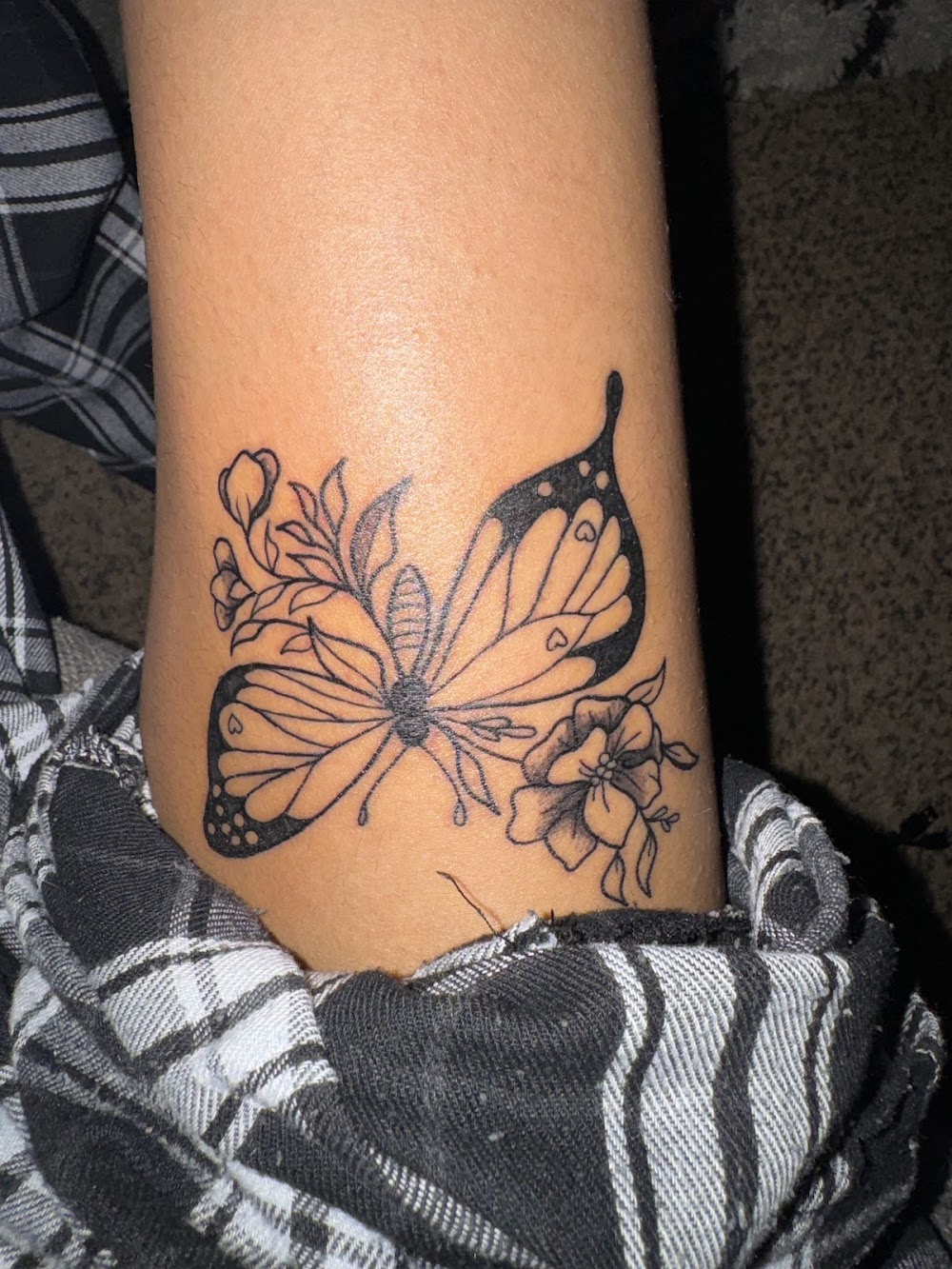
Decide on the specific tattoo style you want. Set a realistic budget based on hourly rates or piece pricing. This clarity helps artists determine if they are the right fit for your project scope.
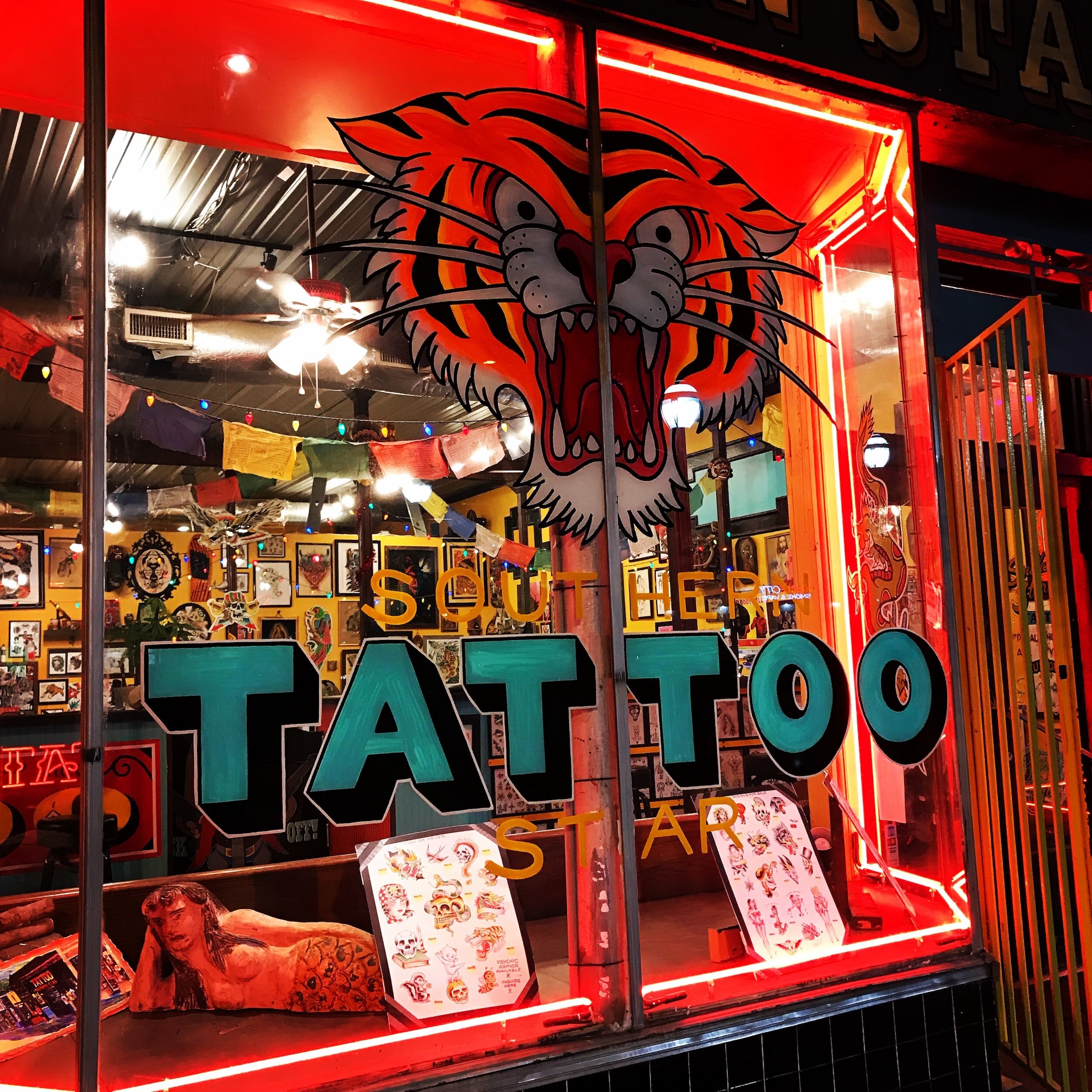
Browse Instagram or the shop’s website. Look for healed photos, not just fresh ones. Check if the artist has experience with your skin tone and the specific design complexity you desire.
Meet the artist in person or via video call. Discuss your idea, ask about their process, and gauge their professionalism. This step ensures you are comfortable with their personality and work ethic.

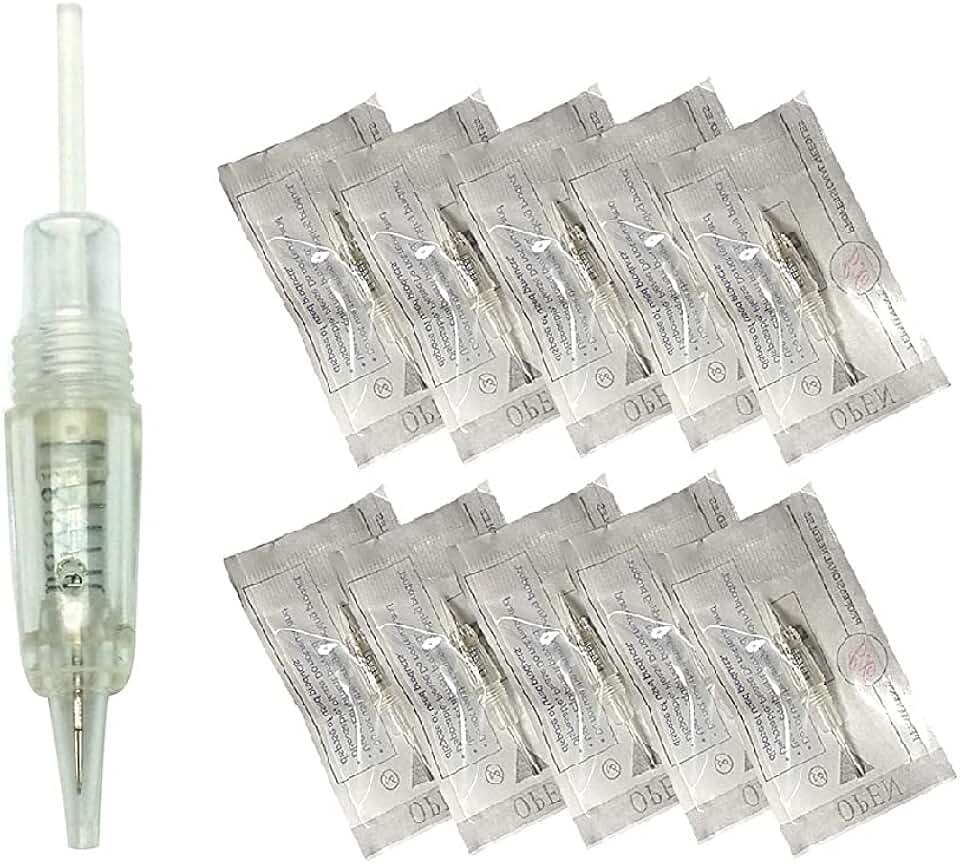
As an Amazon Associate, we may earn from qualifying purchases.
| Criteria | What to Look For |
|---|---|
| Style Match | Portfolio shows healed work in your desired style |
| Hygiene | Autoclave visible, single-use needles, gloves worn |
| Communication | Artist listens, offers feedback, explains aftercare |
| Pricing | Clear hourly or flat rate, no hidden fees |
Frequently Asked Questions About Tattoo Shops
Finding the right artist and shop involves more than just looking at a gallery. These answers address common concerns about pricing, style selection, and what makes a studio stand out.
What are the top 5 tattoos? Popular styles vary by region, but fine line, neo-traditional, blackwork, watercolor, and micro-realism currently dominate. Fine line tattoos are favored for their delicate, jewelry-like appearance, while neo-traditional pieces offer bold colors and thick outlines. Blackwork remains a staple for its high contrast and graphic impact. Watercolor styles mimic paint splashes without actual ink bleed, and micro-realism focuses on tiny, hyper-detailed portraits or nature scenes.
Is a $50 tip good for a $300 tattoo? Yes, a $50 tip on a $300 tattoo represents a 16.7% gratuity, which is considered generous. The standard industry tip ranges from 15% to 20%. Since tattoo artists often rent booth space and cover their own equipment costs, tipping directly supports their labor. For a $300 piece, a $45–$60 tip is appropriate and appreciated by most professionals.
Who are the best tattoo artists in Arizona?\nArizona has a vibrant tattoo scene with several highly rated studios. In Phoenix, shops like Black Owl Tattoo and Thunderbolt Tattoo are frequently cited for their clean work and diverse artist rosters. In Tucson, studios such as Sacred Heart Tattoo are known for their custom designs and professional environments. Always check individual artist portfolios rather than just the shop name, as talent varies within multi-artist studios.
What is the best tattoo ever? There is no single "best" tattoo, as personal meaning and artistic execution define quality. Historically, iconic pieces like Sailor Jerry’s traditional work or modern masterpieces by artists like Alexander Mironenko are celebrated for their technical skill. Ultimately, the best tattoo is one that is well-healed, culturally respectful, and personally significant to the wearer. Avoid chasing trends that may not age well with your body.
No comments yet. Be the first to share your thoughts!