
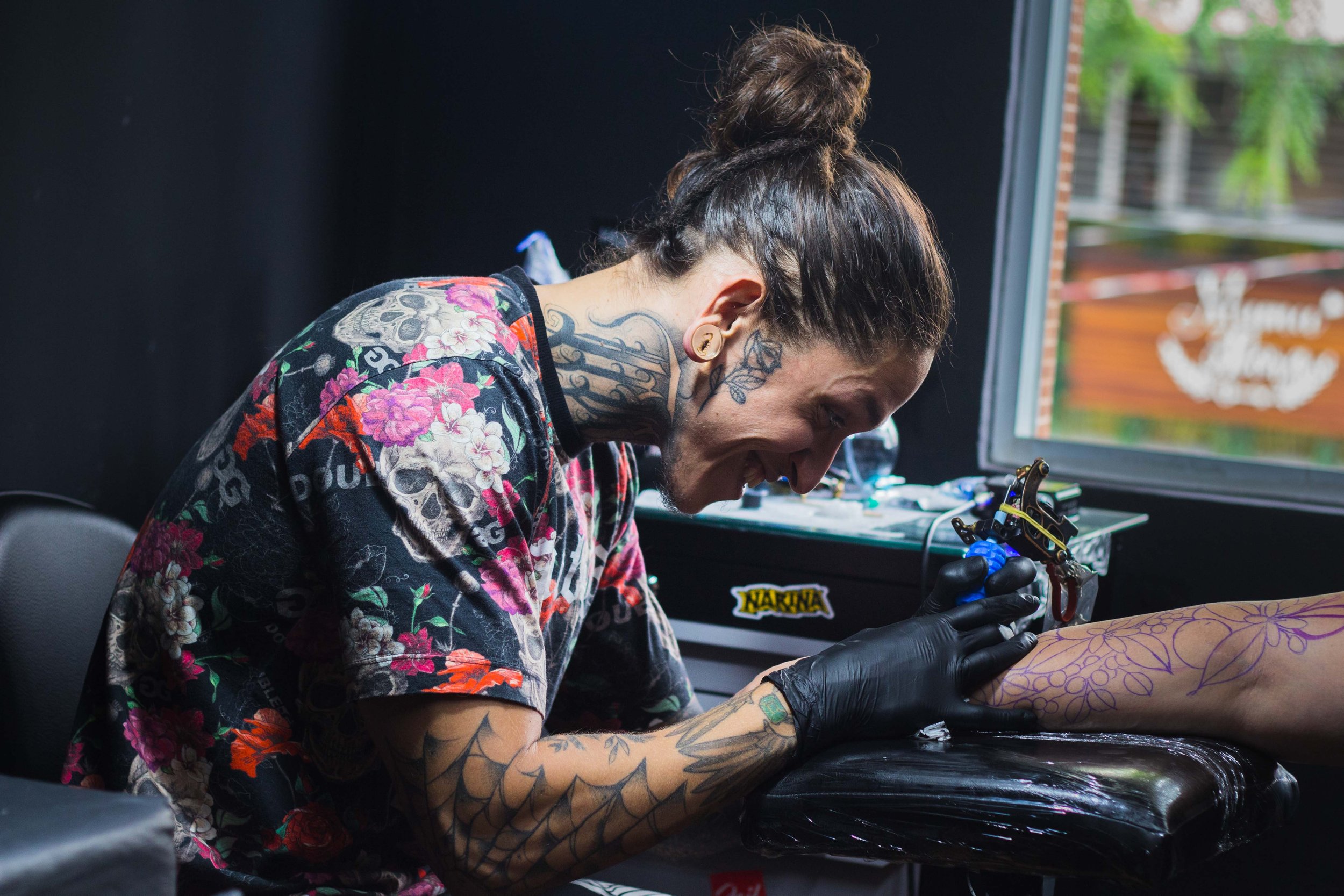

Top tattoo designs trending in 2026
The landscape of ink is shifting away from the generic flash sheets of the past. In 2026, the dominant aesthetic is defined by a tension between hyper-specific detail and bold, graphic permanence. This isn't just about what looks good on a screen; it's about how designs age on skin over decades. The most sought-after styles are those that balance technical precision with personal narrative, moving beyond simple trends to enduring markers of identity.
Two styles are currently leading this charge: micro-realism and the neo-traditional revival. Micro-realism demands exceptional artist skill, using fine needles and grayscale shading to create photographic clarity in small spaces. It appeals to those seeking subtlety and intricate detail, often placed on hands, feet, or ribs. Conversely, neo-traditionalism brings back bold outlines and vibrant, saturated colors but updates them with contemporary subjects and dynamic compositions. This style offers high visibility and long-lasting clarity, making it a favorite for first-timers and veterans alike.
Choosing the right design requires understanding these distinctions. A micro-realism piece might look stunning initially but can blur faster if not placed carefully or maintained properly. Neo-traditional work, with its thicker lines, tends to hold its shape better over time. The key is aligning the aesthetic with your lifestyle and skin type.
These styles are not mutually exclusive. Many artists are blending micro-realistic faces with neo-traditional borders, creating hybrid pieces that maximize impact. When researching your options, look for artists who specialize in the specific technique you want, rather than generalists. Platforms like Tattoodo offer a vast database of these specific styles, allowing you to see how different artists interpret the same concepts. This helps you find a practitioner whose portfolio matches your vision, ensuring the final result is both beautiful and durable.
How to choose a tattoo artist
A design on a screen is only a blueprint. The final result depends entirely on the hands that place the needle. A mediocre artist can ruin a brilliant concept with shaky lines or inconsistent shading, while a skilled specialist can elevate a simple idea into something lasting. The execution matters more than the initial sketch.
Start by examining the artist’s portfolio for specific expertise. Do not just look for general skill; look for evidence that they have successfully executed your desired style. If you want a traditional American tattoo, a portfolio full of fine-line botanical work is a red flag. Look for healed photos, not just fresh ink, to verify how the artist’s work ages. Consistency in line weight and color saturation across multiple pieces is a strong indicator of technical proficiency.
Hygiene standards are non-negotiable. A reputable artist works in a clean, professional environment and follows strict safety protocols. They should use single-use needles and open ink caps in front of you. If the studio feels cluttered or the artist seems casual about sanitation, walk away. Your health is the primary concern, not the aesthetic.
Schedule a consultation before booking. This allows you to discuss the design, placement, and sizing in detail. A good artist will offer honest feedback on whether a design will age well or if the placement might cause issues. They should be willing to answer questions about aftercare and pricing transparently. This interaction reveals their professionalism and communication style.
Use a comparison table to evaluate potential artists based on these critical factors. Focus on portfolio match, hygiene practices, and consultation availability rather than just price or location.
| Evaluation Factor | What to Look For |
|---|---|
| Portfolio Style Match | Look for healed work in your specific style (e.g., traditional, realism, neo-traditional). |
| Hygiene Rating | Verify use of single-use needles, barrier protection, and visible sterilization processes. |
| Consultation Availability | Check if the artist offers a pre-booking chat to discuss design feasibility and placement. |
Best tattoo supplies for home practice
Tattooing is a high-stakes craft. A slip of the hand on practice skin is a minor lesson; the same slip on human skin can cause infection, scarring, or permanent damage. Before you ever touch a client, you need to build muscle memory and understand machine dynamics in a controlled environment.
The safest way to learn is to treat your home studio like a professional booth. This means investing in proper practice materials rather than improvising with household items. Using the right tools allows you to focus on hand speed, depth control, and saturation without risking health outcomes.
To practice effectively, you need three categories of supplies: practice media, power sources, and hygiene essentials. Practice skin mimics the resistance and texture of human dermis far better than fruit or synthetic rubber. A regulated power supply ensures consistent voltage, while proper sterilization gear protects you and your future clients.


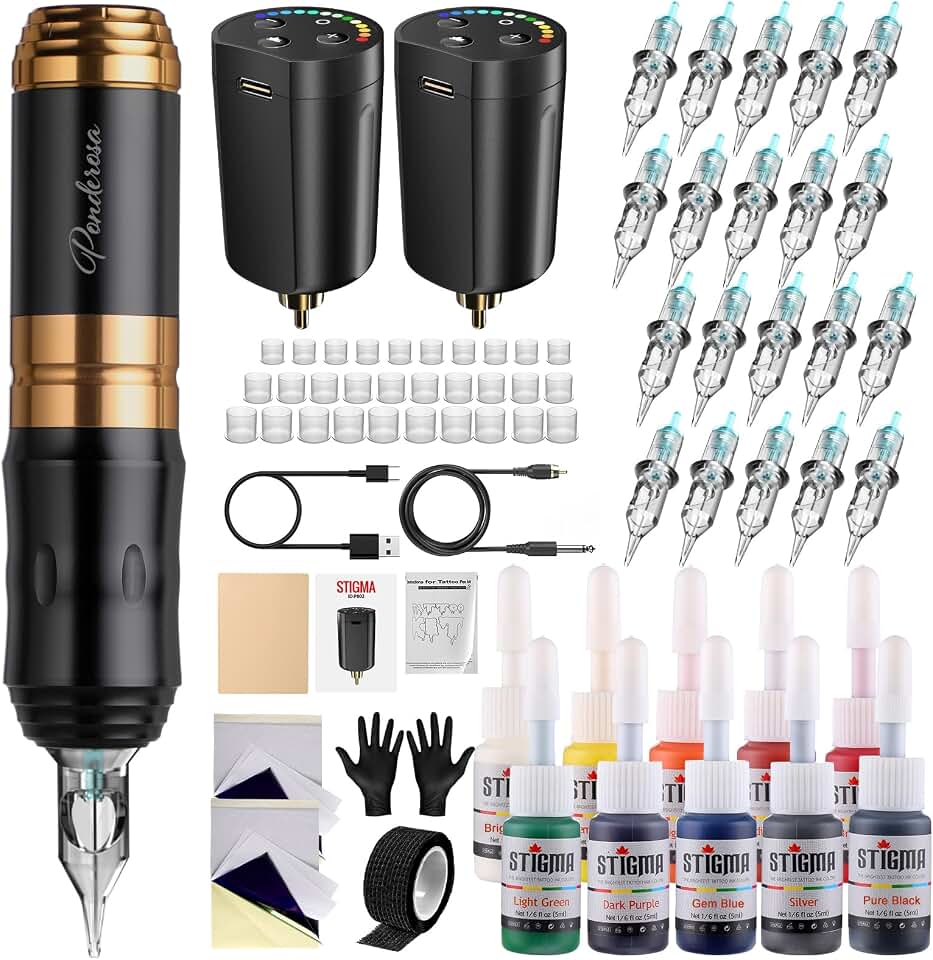
As an Amazon Associate, we may earn from qualifying purchases.
Start with a rotary machine kit. These are generally quieter and require less maintenance than coil machines, making them ideal for beginners learning needle depth and hand positioning. Pair this with a high-quality practice skin pad that allows you to wipe away ink and reuse the surface multiple times.
Hygiene is non-negotiable. Even on practice skin, you must set up a sterile field. Use barrier film on your workspace, keep your ink caps covered, and dispose of needles in an approved sharps container. This habit formation is just as important as the technical skills you are building.
Where to find verified tattoo reviews
Finding a skilled artist is less about browsing static portfolios and more about tapping into active community feedback. Platforms like Reddit’s r/TattooDesigns and r/Tattoos serve as real-time forums where users share recent work, discuss hygiene standards, and warn against problematic studios. These threads offer a level of transparency that curated gallery sites cannot match, allowing you to see how an artist’s work holds up over time through client updates and healing photos.
For a more structured approach, directories such as Tattoodo aggregate over 1.3 million designs and connect users with local professionals. While these platforms are excellent for visual inspiration, they also function as booking engines that often include client ratings and verified reviews. This hybrid model helps you cross-reference an artist’s aesthetic style with their professional reliability before committing to an appointment.
Frequently asked questions about tattoo designs
What are trendy tattoos right now?
Current trends in 2026 lean heavily toward minimalist line work, micro-realism, and personalized symbolism. Tiny, delicate designs placed on the wrist, behind the ear, or along the finger are particularly popular for their subtlety. Additionally, there is a growing interest in "ugly cute" aesthetics and abstract shapes that prioritize personal meaning over traditional beauty standards. These styles often rely on clean shading and simple geometric forms to create a lasting, modern look.
What are some of the best tattoo designs?
The "best" designs are those that age well and hold personal significance. Classic American Traditional and Blackwork tattoos remain top choices due to their bold lines and high contrast, which ensure they remain legible over decades. For those seeking something more contemporary, fine-line botanical illustrations and small watercolor accents offer elegance without overwhelming the skin. Ultimately, the best design aligns with your lifestyle, skin type, and the artist's specific strengths.
What are some cool patterns for tattoos?
Geometric patterns, mandalas, and tribal-inspired motifs continue to be popular for their visual impact and symmetry. Dotwork and stippling techniques allow artists to create complex shading and texture using only small dots, resulting in intricate, almost optical-illusion-like designs. These patterns work well on larger canvas areas like the back, thighs, or sleeves, where the detail can be fully appreciated. They also tend to age gracefully if executed with proper depth and spacing.
What are the 10 most popular tattoos?
While popularity shifts yearly, core staples like anchors, roses, hearts, arrows, and compasses remain consistently in demand. Recent years have seen a surge in small script quotes, dreamcatchers, and animal silhouettes. The top 10 often includes variations of these classics, such as minimalist versions or combined elements. For instance, a small arrow combined with a floral element is a frequent favorite. These designs are versatile, widely recognized, and work well across different body parts and skin tones.
No comments yet. Be the first to share your thoughts!