
What the budget buys
Virtual reality tattoo previews generally fall into two pricing models: a flat consultation fee or a bundled deposit. Some studios charge a standalone fee ranging from $25 to $75 for a VR session, while others include the digital mockup as part of the initial booking deposit. This fee typically covers the artist's time to map your anatomy and adjust the design in a 3D space before the needle ever touches your skin.
For those who prefer a DIY approach before visiting a professional, software tools provide a lower-cost entry point. Basic AR filters are often free, but high-fidelity simulators that allow you to upload custom art and adjust for skin curvature usually require a small subscription or a one-time payment. These tools act as a rough draft, helping you decide on placement and scale without the commitment of a full studio appointment.
| Tier | Typical Cost | Primary Benefit |
|---|---|---|
| Free AR Apps | $0 | Quick placement checks |
| Premium Simulators | $10 - $30 | Custom art uploads |
| Studio VR Session | $25 - $75 | Artist-led precision |
Models worth checking first
Selecting a VR tattoo preview tool depends on whether you need a real-time augmented reality (AR) experience or a static AI-generated mockup. While some parlors integrate these into their consultation process, many customers now use standalone simulators to finalize their placement before booking an appointment.
Real-time AR tools allow you to move your limb or torso and see how the design wraps around your anatomy. In contrast, AI-driven photo editors provide a high-fidelity image of the final look but lack the dynamic movement needed to judge how a piece flows with your muscles.
| Tool | Technology | Best Use Case |
|---|---|---|
| Inkjin | Real-time AR | Placement and sizing |
| Tatspark | 3D Simulator | Realistic skin visualization |
| Steel N Ink | Virtual Try-On | Testing flash designs |
| Aragon.ai | AI Photo Editor | Static high-res mockups |
For those who prefer a physical setup at home to test their designs before visiting a studio, certain hardware can bridge the gap between a screen and the skin. While not a "software model," using a high-resolution tablet or specific AR-compatible glasses can make these VR tattoo preview tools feel more natural during the planning phase.
Check before you buy
Use this section to make the Virtual Reality Tattoo Previews decision easier to compare in real life, not just on paper. Start with the reader's actual constraint, then separate must-have requirements from details that are merely nice to have. A practical choice should survive normal use, maintenance, timing, and budget. If a recommendation only works in an ideal situation, call that out plainly and give the reader a fallback path.
-
Verify the basicsConfirm the core specs, condition, and fit before comparing extras.
-
Price the downsideLook for the repair, maintenance, or replacement cost that would change the decision.
-
Compare alternativesCheck at least two comparable options before treating one listing as the benchmark.
Costs that change the math
Integrating virtual reality tattoo previews into a studio setup involves more than the initial hardware purchase. While a headset might seem like a one-time expense, the real cost shifts toward software subscriptions and the time required to map a 2D design into a 3D space. For the client, these services are often bundled into a consultation fee or a deposit, but the value lies in avoiding the permanent cost of a misplaced piece.
Maintenance surprises usually appear in the form of software updates and hygiene protocols. VR headsets used in a clinical tattoo environment require medical-grade sanitization and disposable face masks to prevent cross-contamination between clients. These consumables add a recurring monthly overhead that studios must account for when pricing their VR preview sessions.
Choosing a budget VR setup often leads to "drift," where the digital tattoo shifts as the client moves, creating a false sense of placement. When the preview doesn't align perfectly with the physical anatomy, the cheap hardware becomes expensive if it leads to an incorrect tattoo. Investing in high-fidelity tracking ensures the digital ink wraps around the muscle and bone accurately, reducing the risk of costly cover-ups later.
Common questions
Choosing a studio that uses virtual reality tattoo previews can remove the anxiety of permanent placement errors. While these tools provide a strong visual baseline, they are best used as a starting point for a conversation with your artist rather than a final blueprint.
Helpful gear
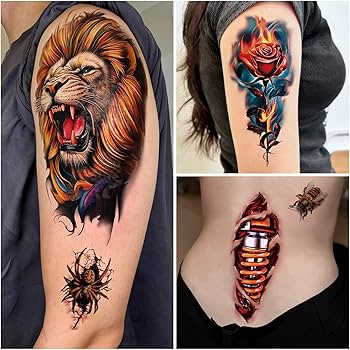
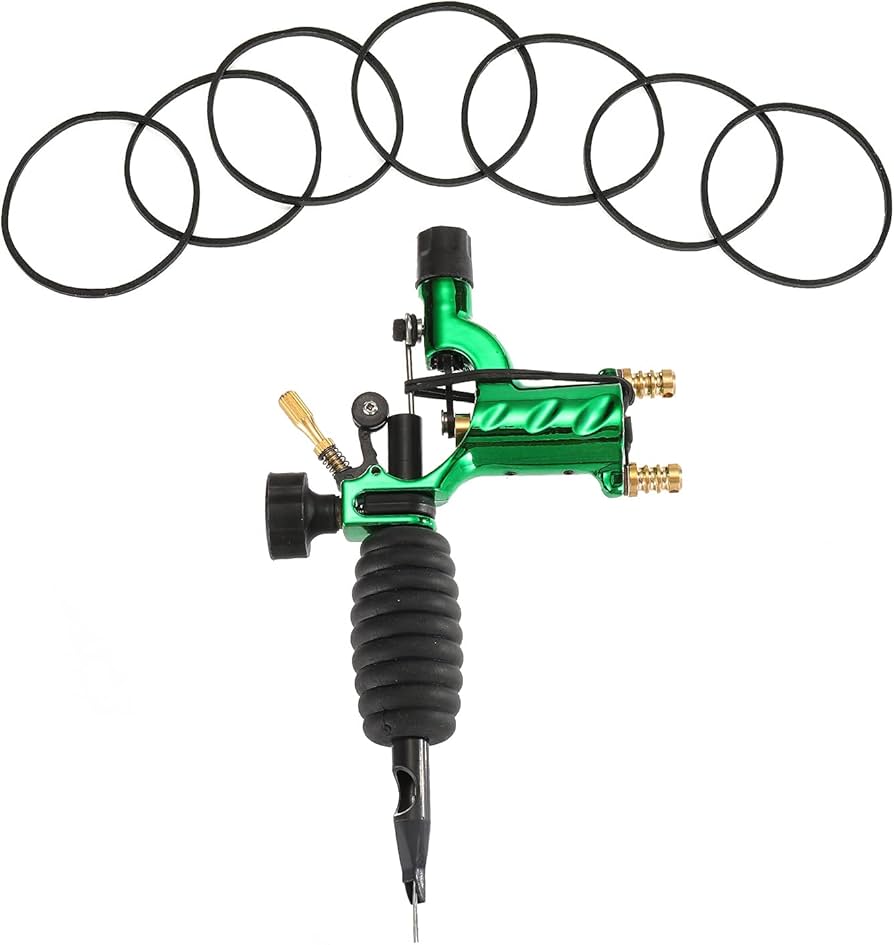
Use these product recommendations as a starting point, then choose the size, material, and price point that fit how you actually use the gear.

As an Amazon Associate, we may earn from qualifying purchases.
No comments yet. Be the first to share your thoughts!