
Get local tattoo right
Before you book a session with a local tattoo artist or parlor, clear three practical hurdles. This prevents wasted deposits, avoids legal red flags, and ensures the studio can actually execute your desired style.
First, confirm the artist’s current licensing and studio hygiene standards. In the United States, most states require artists to hold a valid tattoo license and work in a facility inspected by the local health department. Do not rely solely on a studio’s website; check your city or county health department’s public records for recent violations. A clean inspection report is a non-negotiable baseline for safety.
Second, verify that the artist specializes in your preferred style. Tattooing is a craft with distinct techniques. A master of fine-line realism may not have the hand strength or shading experience for bold traditional work. Review their portfolio for recent examples of the specific style you want, not just their best overall shots. If they lack relevant work, ask if they are willing to take on the project with a trial piece or smaller commission first.
Finally, understand the pricing structure and deposit policy. Most reputable shops charge a minimum hourly rate, often ranging from $100 to $200 per hour, with a non-refundable deposit required to secure your slot. This deposit typically applies toward the final cost but is lost if you cancel without notice. Ask for a rough estimate based on your idea’s size and complexity, but remember that final pricing depends on the actual time the artist spends on your skin.
How to choose the right local tattoo artist and parlor
Finding a skilled tattoo artist is less about luck and more about due diligence. You need to verify their technical competence, hygiene standards, and artistic style before you ever sit in the chair. This process protects your health and ensures the final piece matches your vision.
1. Verify licensing and hygiene credentials
Start by checking if the studio is licensed in your state or country. In the United States, most health departments require annual inspections and visible certification. Look for the state health department seal posted near the entrance or in the window. If a studio cannot produce a current license upon request, leave immediately.
Hygiene is non-negotiable. A professional setup uses single-use needles, ink caps, and barriers for every surface. The artist should open all sterile packaging in front of you. Ask about their autoclave sterilization process for reusable equipment. Reputable artists are transparent about these protocols because they prioritize client safety above all else.
2. Audit the artist’s portfolio
Scroll through the artist’s Instagram or website, but look for healed photos, not just fresh ones. Fresh ink looks sharp and dark; healed work reveals how well the artist handled the skin. Check for blowouts (ink spreading under the skin) or inconsistent line weight.
Ensure their specialty matches your design. A master of realistic portraits may not be the best choice for traditional Japanese sleeves. Look for consistency across different body parts. Skin stretches and moves differently on the hand than on the forearm. An artist who produces clean work in varied locations demonstrates true technical skill.
3. Read client reviews and community feedback
Search for the artist’s name and studio on Google Reviews, Yelp, and Reddit. Pay attention to comments about punctuality, communication, and aftercare support. Negative reviews are useful if they highlight specific issues like poor hygiene or rude behavior. If every review is five stars, be cautious; it may indicate fake reviews or a new business with limited history.
4. Book a consultation
Never book a tattoo without a consultation. This is your chance to discuss the design, placement, and sizing. Bring reference images and be open to the artist’s feedback on how the design will age. A good artist will suggest adjustments to ensure longevity. If they refuse to make changes or dismiss your concerns, find someone else.
During the consultation, ask about the session length and pricing structure. Most artists charge by the hour or have a minimum shop rate. Clarify if the price includes a deposit and what happens if the design needs more time than expected. Clear communication prevents surprises on tattoo day.
5. Confirm the final booking details
Once you’ve decided, secure the appointment with a deposit. Most studios require a non-refundable deposit to hold your slot. Confirm the date, time, and any preparation instructions, such as eating a meal beforehand or avoiding alcohol. Bring a valid ID to the appointment.
Checklist for your appointment
-
Verify the studio’s current health license
-
Check for single-use needles and fresh ink caps
-
Review healed portfolio images matching your style
-
Read recent client reviews on multiple platforms
-
Attend a consultation to discuss design and sizing
-
Pay the required deposit and confirm the appointment time
Fix common mistakes that ruin your tattoo
Even the best artists can produce poor results if the foundation is weak. Most botched tattoos stem from avoidable errors made during the design, sizing, or placement phases. By understanding these pitfalls, you can ensure your ink ages well and looks exactly as intended.
Ignoring skin movement and aging
Tattoo ink settles differently depending on where it sits. A design that looks perfect on a flat forearm may distort as it moves across a joint or stretches with weight fluctuations. Avoid placing intricate details over areas with high elasticity like ribs, elbows, or knees unless the design accounts for that movement.
Skipping the stencil check
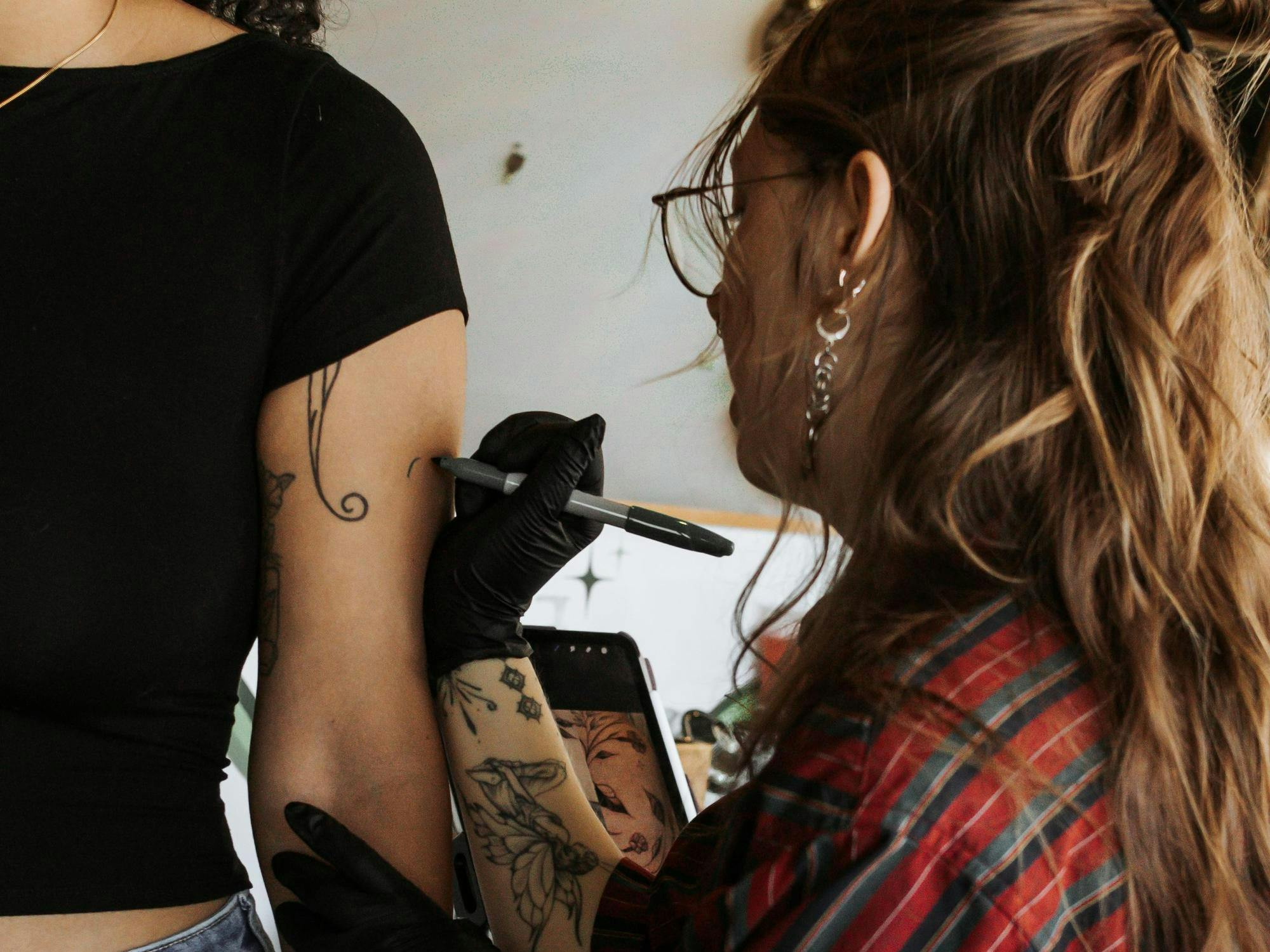
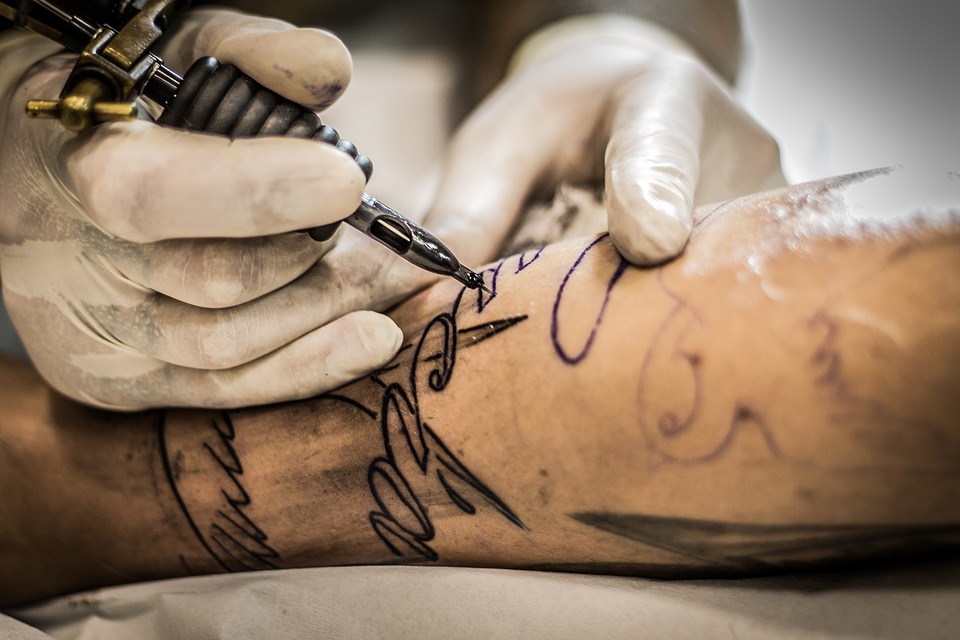
A stencil is your only chance to verify placement before the needle touches skin. Never rush this step. Stand in front of a mirror, move your arms, and sit down if the tattoo is on your thigh or back. If the stencil shifts or looks off, ask the artist to redo it. Once the machine starts, you cannot undo a misplaced line.
Underestimating size for detail
Small tattoos fade faster and lose definition sooner than larger pieces. A design meant to be detailed will turn into a blurry blob within a few years if it is too small. If you want fine lines or shading, commit to a size that allows the artist enough canvas to work. If budget is tight, consider a simpler, bold-line design instead.
Skipping the patch test
Some people develop allergies to specific pigment colors, particularly reds and yellows. If you have sensitive skin or a history of reactions, ask for a small patch test behind your ear or on your inner arm. This simple check can prevent a severe allergic reaction during your full session.
Choosing price over portfolio
n The cheapest artist is rarely the best value. Low prices often mean rushed work, diluted ink, or poor hygiene standards. Look at the artist’s healed work, not just fresh photos. Fresh ink looks good on everyone; healed ink reveals the true skill of the artist and their technique.
Local tattoo: what to check next
Choosing a local artist involves navigating pricing structures and placement constraints that vary by studio. These common questions clarify what to expect before you book your appointment.
Work through Tattoo Trends
No comments yet. Be the first to share your thoughts!