


Why Proper Aftercare is Important for Your Tattoo
Why Proper Aftercare is Important for Your Tattoo
Getting a tattoo is an exciting experience, but it's important to remember that the process doesn't end when the tattoo artist finishes their work. Proper aftercare is crucial to ensure that your tattoo heals correctly and looks great for years to come.
One of the most important reasons to take care of your tattoo after getting it is to prevent infection. A fresh tattoo is essentially an open wound, and if it's not properly cared for, bacteria can enter the skin and cause an infection. This can lead to scarring, discoloration, and even more serious health problems.
In addition to preventing infection, proper aftercare can also help your tattoo heal faster and look better. When you get a tattoo, the artist uses a needle to inject ink into the skin. This process can cause some damage to the skin, and it needs time to heal. By following the right aftercare routine, you can help your skin heal more quickly and reduce the risk of scarring or other complications.
Overall, taking care of your tattoo after getting it is just as important as choosing the right design and artist. By following the right aftercare routine, you can ensure that your tattoo looks great and stays healthy for years to come.

The Do's and Don'ts of Tattoo Aftercare
The Do's and Don'ts of Tattoo Aftercare
Proper aftercare is crucial to ensure your tattoo heals perfectly. Here are some do's and don'ts to keep in mind:
Do:
- Keep your tattoo clean and dry for the first few days.
- Wash your tattoo gently with mild soap and warm water twice a day.
- Pat your tattoo dry with a clean towel or let it air dry.
- Apply a thin layer of fragrance-free, gentle moisturizer to your tattoo to keep it hydrated.
- Cover your tattoo with loose clothing or a bandage to protect it from the sun and other irritants.
- Follow your tattoo artist's aftercare instructions carefully.
Don't:
- Scratch or pick at your tattoo, even if it itches.
- Expose your tattoo to direct sunlight or tanning beds.
- Soak your tattoo in water, such as in a bath or swimming pool.
- Apply petroleum jelly, alcohol, or hydrogen peroxide to your tattoo.
- Wear tight clothing or anything that rubs against your tattoo.
- Touch your tattoo with dirty hands or let others touch it.
Remember, the first few weeks after getting a tattoo are crucial for proper healing. Follow these do's and don'ts to ensure your tattoo heals perfectly and looks great for years to come.

Recommended Products for Tattoo Aftercare
Recommended Products for Tattoo Aftercare
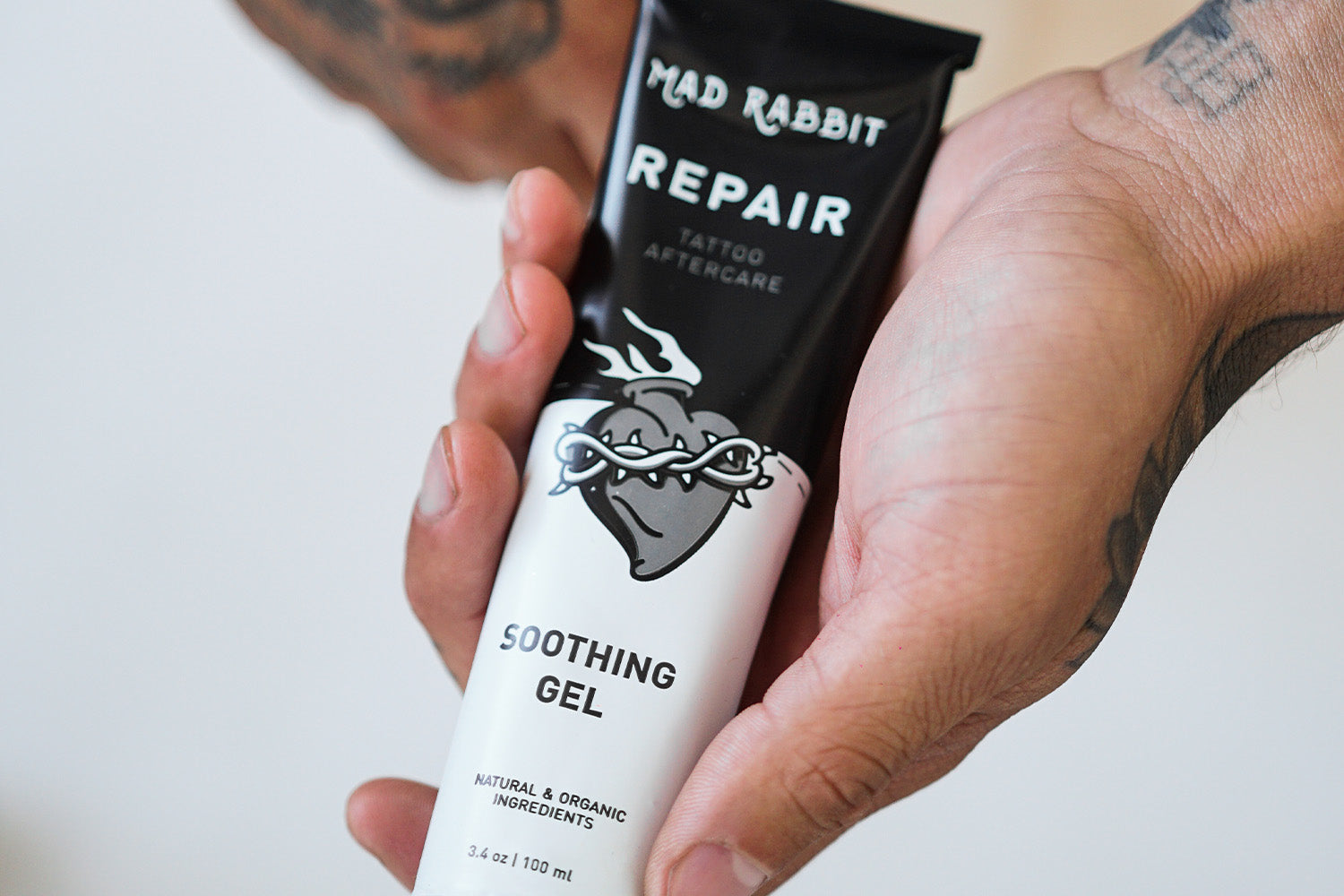
After getting a tattoo, it is important to take proper care of it to ensure that it heals perfectly. While there are many products available in the market, not all of them are suitable for tattoo aftercare. Here are some of the recommended products for tattoo aftercare:
- Tattoo Aftercare Lotion: A good tattoo aftercare lotion is essential for keeping your tattoo moisturized and preventing it from drying out. Look for a lotion that is fragrance-free, hypoallergenic, and contains natural ingredients like aloe vera and vitamin E.
- Tattoo Aftercare Soap: A gentle, fragrance-free soap is important for keeping your tattoo clean without causing any irritation. Avoid using harsh soaps or scrubs that can damage your tattoo.
- Tattoo Aftercare Balm: A tattoo aftercare balm can help soothe your skin and reduce inflammation. Look for a balm that contains natural ingredients like beeswax, shea butter, and coconut oil.
- Tattoo Sunscreen: Protecting your tattoo from the sun is important to prevent fading and damage. Look for a sunscreen that is specifically designed for tattoos and has a high SPF.
It is important to follow the instructions provided by the manufacturer when using these products. Avoid using any products that contain alcohol, fragrances, or other harsh chemicals that can irritate your skin and damage your tattoo.
Remember, taking proper care of your tattoo is essential for ensuring that it heals perfectly and looks great for years to come.
How Long Does it Take for a Tattoo to Heal?
How Long Does it Take for a Tattoo to Heal?
After getting a tattoo, it's important to understand that the healing process is just as important as the actual tattooing process. Your tattoo artist will provide you with specific aftercare instructions, but it's important to know that the healing time can vary depending on the size and location of your tattoo.
Generally, it takes about 2-3 weeks for the top layer of your skin to heal and up to 2 months for the deeper layers to fully heal. During this time, it's important to keep your tattoo clean and moisturized to prevent scabbing and promote proper healing.
It's also important to avoid exposing your tattoo to direct sunlight, swimming pools, hot tubs, and saunas during the healing process. These activities can cause damage to your tattoo and slow down the healing process.
If you notice any signs of infection such as excessive redness, swelling, or discharge, it's important to seek medical attention immediately. In most cases, proper aftercare will ensure that your tattoo heals perfectly and looks great for years to come.
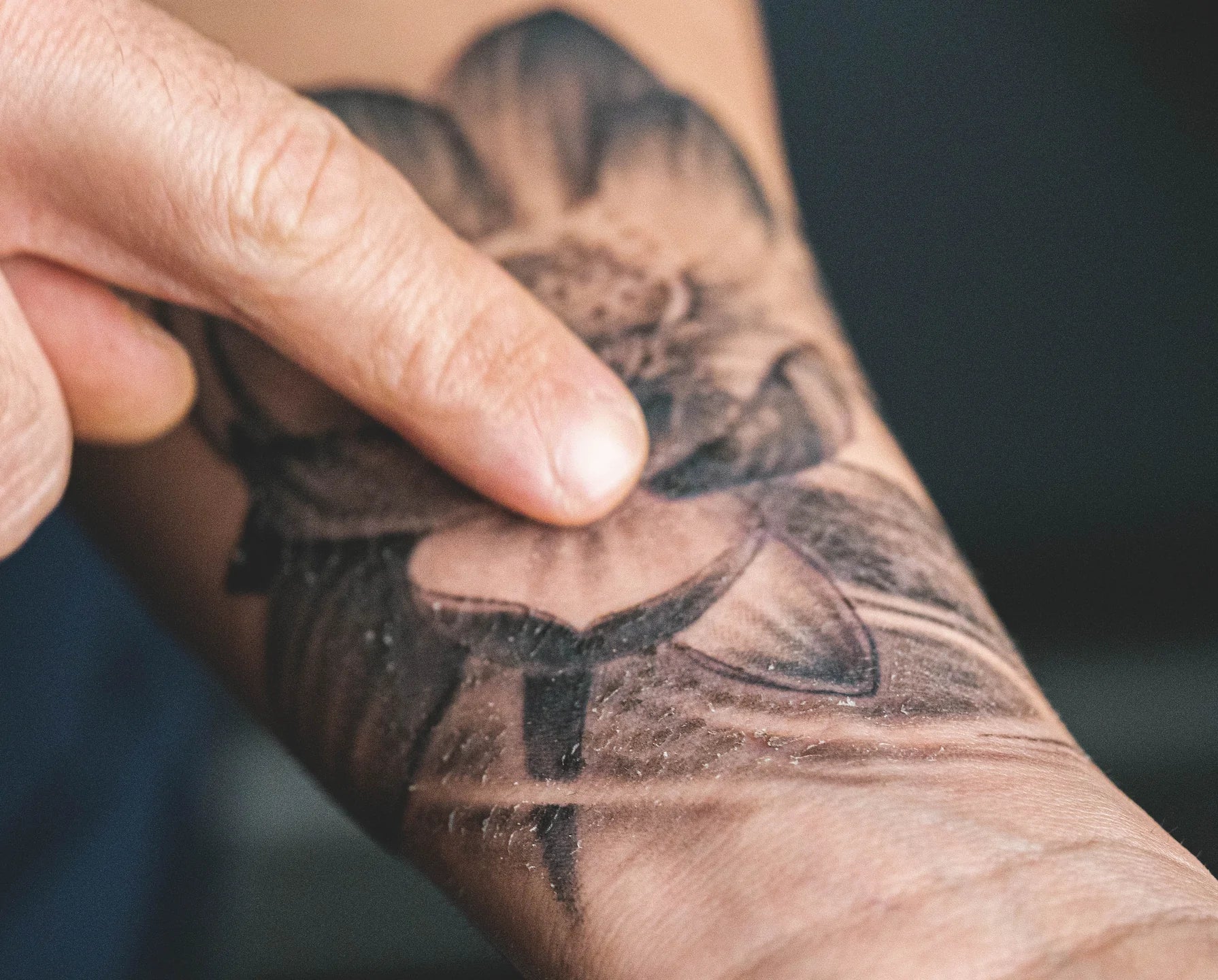
Image source: https://www.pinterest.com/pin/343329171573080/
Common Tattoo Healing Problems and How to Solve Them
Common Tattoo Healing Problems and How to Solve Them
While most tattoos heal without any complications, there are some common problems that can occur during the healing process. Here are some of the most common tattoo healing problems and how to solve them:
Infection: Infection is one of the most serious tattoo healing problems. Signs of infection include redness, swelling, and pus. If you suspect that your tattoo is infected, seek medical attention immediately. To prevent infection, keep your tattoo clean and avoid touching it with dirty hands.
Itching: Itching is a common problem during the healing process. While it can be tempting to scratch your tattoo, avoid doing so as it can lead to infection and damage the design. Instead, apply a thin layer of unscented lotion or ointment to soothe the itch.
Peeling and Flaking: Peeling and flaking are normal parts of the healing process. However, avoid picking at the peeling skin as it can damage the design and lead to scarring. Keep your tattoo moisturized with a gentle lotion or ointment to help reduce peeling and flaking.
Bleeding: Some bleeding is normal during the tattooing process, but if your tattoo continues to bleed after you leave the shop, apply pressure to the area with a clean cloth or bandage. If the bleeding doesn't stop, seek medical attention.
Allergic Reactions: Allergic reactions to tattoo ink are rare, but they can happen. Signs of an allergic reaction include redness, itching, and swelling. If you experience these symptoms, seek medical attention immediately.
By following proper aftercare techniques and being aware of common tattoo healing problems, you can ensure that your tattoo heals perfectly and looks great for years to come.
Tips for Protecting Your Tattoo from Fading
Tips for Protecting Your Tattoo from Fading
After investing time, money, and pain into getting a tattoo, it's natural to want it to look as vibrant and fresh as possible for as long as possible. Unfortunately, tattoos can fade over time due to a variety of factors, including sun exposure, aging, and improper aftercare. Here are some tips for protecting your tattoo from fading:
1. Avoid prolonged sun exposure
UV rays from the sun can cause tattoos to fade over time. Whenever possible, keep your tattoo covered with clothing or sunscreen with at least SPF 30. If you plan on spending a lot of time in the sun, consider investing in a tattoo-specific sunscreen that is designed to protect your ink.
2. Moisturize regularly
Dry skin can cause tattoos to fade faster, so it's important to keep your skin moisturized. Use a gentle, fragrance-free lotion or tattoo-specific moisturizer to keep your skin hydrated.
3. Avoid soaking your tattoo
While it's important to keep your tattoo clean, avoid soaking it in water for extended periods of time. This includes swimming, soaking in a hot tub, or taking long baths. Excessive exposure to water can cause your tattoo to fade or become infected.
4. Be mindful of clothing and accessories
Tight clothing or accessories that rub against your tattoo can cause it to fade faster. Be mindful of what you wear and avoid anything that puts unnecessary pressure on your ink.
5. Touch up as needed
Even with proper care, tattoos can fade over time. If you notice your tattoo starting to lose its vibrancy, consider getting it touched up by a professional tattoo artist.
By following these tips, you can help ensure that your tattoo stays looking fresh and vibrant for years to come.
When to Seek Medical Attention for Your Tattoo
When to Seek Medical Attention for Your Tattoo
While most tattoos heal without any complications, there are times when medical attention may be necessary. Here are some signs to look out for:
- Infection: If your tattooed area is red, swollen, and painful, and you notice pus or discharge, you may have an infection. Seek medical attention immediately.
- Allergic Reaction: If you experience an itchy rash, hives, or difficulty breathing, you may be having an allergic reaction to the ink. Seek medical attention immediately.
- Excessive Bleeding: If your tattoo is bleeding excessively and the bleeding doesn't stop after applying pressure, seek medical attention.
- Delayed Healing: If your tattoo is taking longer than usual to heal, or if you notice any unusual changes in the healing process, seek medical attention.
Remember, it's always better to be safe than sorry. If you have any concerns about the healing process of your tattoo, don't hesitate to seek medical attention.
No comments yet. Be the first to share your thoughts!