
Ink Evolved: AI's Arrival
The tattoo world is changing faster than ever before. What was once a deeply personal process – hours spent in consultations, meticulously sketching designs, and relying on an artist’s unique skill – is now being touched by artificial intelligence. For years, getting a tattoo meant trusting an artist to translate your ideas into a lasting image on your skin. It involved a lot of back and forth, a lot of searching for inspiration in flash books or online, and a real risk of miscommunication.
Now, AI tools are offering a different path. They aren’t poised to replace talented tattoo artists, but to function as powerful allies. Initial reactions were skeptical, of course. Many in the tattoo community worried about the devaluation of artistic skill, or the potential for generic, soulless designs. But that skepticism is starting to shift as people see the potential for AI to enhance the creative process.
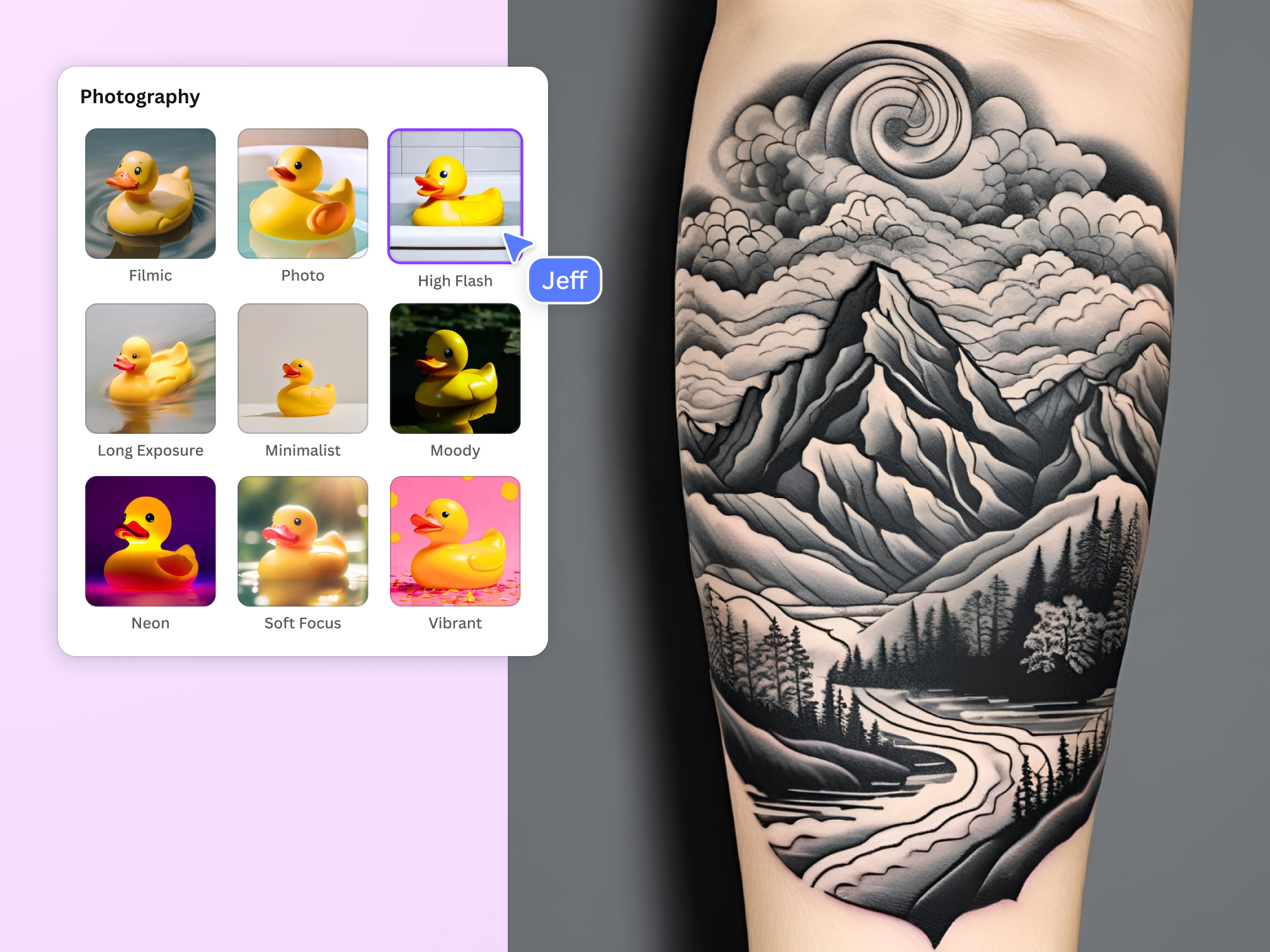
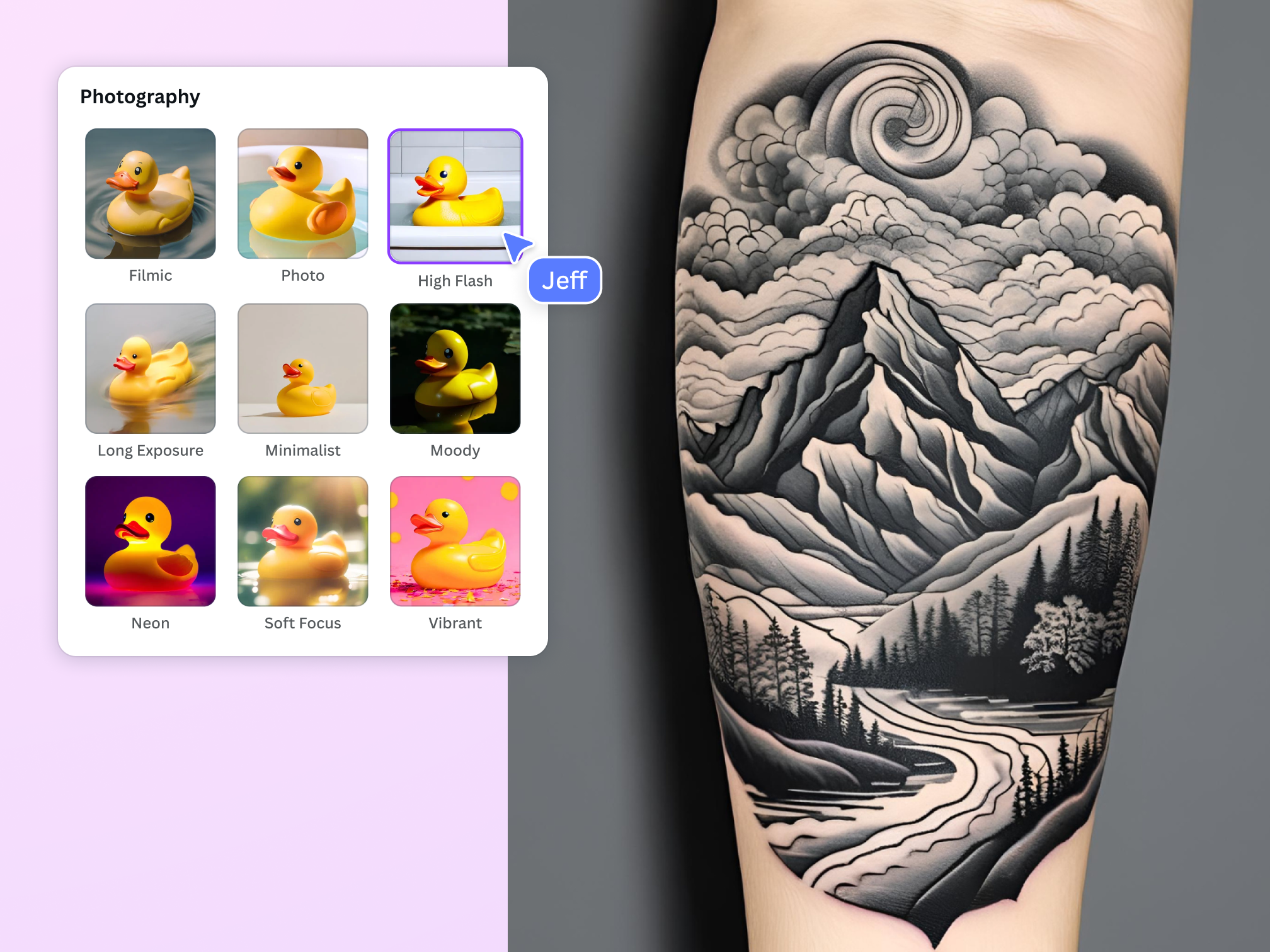
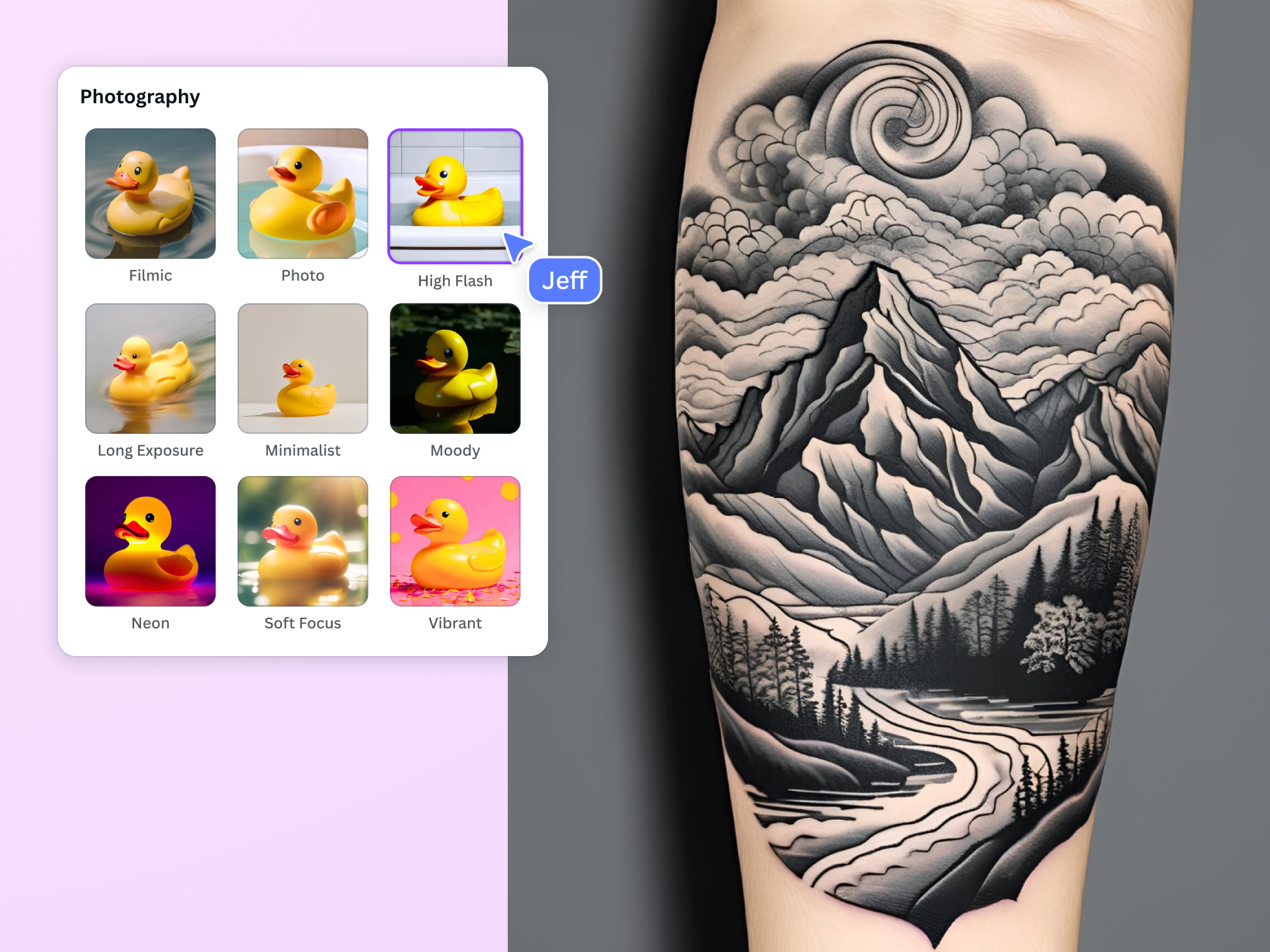
Several platforms are leading this charge. Tattoo AI, Canva, Tattoo.ai, and Meta AI are all developing tools that allow users to generate tattoo designs using text prompts and image references. These platforms aren’t about replacing the artist; they’re about expanding the possibilities and making the design process more accessible. They're about giving people a starting point, a visual springboard for collaboration with their chosen artist.
The AI Design Process, Today
Currently, most AI tattoo generators operate on a fairly simple principle: you provide input, and the AI generates an image based on that input. This input can take several forms – detailed text prompts describing the desired design, selection of specific artistic styles, or even uploading reference images. The AI then interprets these requests, drawing on a vast database of images and styles to create a visual representation.
However, there are limitations. The results aren’t always perfect. Sometimes, the designs are generic or lack the nuance of a human-created piece. Complex requests – particularly those involving intricate details or specific compositions – can be challenging for the AI to interpret accurately. It’s also important to remember that these tools are only as good as the data they’ve been trained on, and biases in that data can sometimes show up in the generated designs.
Tattoo AI, for example, excels at generating designs in styles like black and white and tribal, but can struggle with more subtle requests. Canva’s AI tattoo generator is user-friendly and good for quick mockups, but may lack the sophistication needed for highly detailed designs. Iteration is key. Most platforms allow you to refine the generated designs by adjusting the prompts or requesting variations, but even then, the results often require further tweaking.
The ease of iteration varies. Tattoo AI allows for multiple generations based on a single prompt, while Canva’s process is more about starting from scratch with a slightly modified description. Meta AI appears to offer more control over specific elements of the design, allowing users to fine-tune details like size, placement, and style.
Beyond the Generator: Customization & Refinement
It’s crucial to understand that AI-generated designs are rarely "final’ products. They"re best viewed as starting points, initial concepts to be developed further in collaboration with a skilled tattoo artist. The real magic happens when the human element is reintroduced.
Many tattoo artists are already embracing AI as a tool to accelerate their workflow. They use it to quickly generate initial concepts for clients, explore different variations of a design, and overcome creative blocks. It allows them to spend less time on the initial sketching phase and more time on refining the design and ensuring it meets the client’s specific needs.
“I used to spend hours sketching out initial concepts for clients,” says a tattoo artist who prefers to remain anonymous. “Now, I can use AI to generate a few different options in minutes. It’s not about letting the AI do the work for me, it’s about using it to spark my creativity and give me a head start.” This artist emphasizes that AI allows them to present clients with a wider range of ideas, leading to more satisfying outcomes.
Styles in Seconds: AI's Versatility
AI tattoo generators are demonstrating a surprising degree of versatility when it comes to different tattoo styles. Blackwork, with its bold lines and stark contrasts, is typically handled well by most platforms. Japanese-style tattoos, known for their intricate details and symbolic imagery, can be generated with varying degrees of success, often requiring significant refinement by an artist.
Tribal designs, particularly those based on traditional Polynesian or Maori patterns, are also within the reach of AI, but it’s important to be mindful of cultural appropriation and ensure the design is respectful and accurate. Watercolor tattoos, with their soft gradients and flowing lines, pose a greater challenge for AI, as they require a more nuanced understanding of color and texture.
Realism, arguably the most demanding style, is improving with each iteration of AI technology, but still often falls short of the quality achievable by a skilled human artist. Meta AI seems to be particularly adept at handling diverse concepts and styles, offering a wider range of options and greater control over the final design. This increased accessibility means someone wanting a very specific, niche style can now explore visual representations more easily.
The Artist's Role in 2026
The fear that AI will render tattoo artists obsolete is largely unfounded. It’s far more likely that AI will augment their skills, changing the nature of their work rather than eliminating it. The artist’s role will evolve, shifting from being solely responsible for design creation to becoming a curator, refiner, and interpreter of AI-generated concepts.
Artists will need to adapt. Learning to effectively prompt AI, mastering digital editing tools, and honing their ability to translate a client’s vision into a cohesive design will become increasingly valuable skills. Client consultation will remain paramount – understanding the client’s preferences, ensuring the design is appropriate for their body, and providing expert guidance on placement and size.
We may see demand for "AI tattoo specialists" – artists who are particularly skilled at using AI tools to create unique and innovative designs. These artists will be able to offer a wider range of options to their clients and deliver results that are both visually stunning and deeply personal. The core artistic skills – understanding composition, color theory, and anatomy – will remain essential, but they will be complemented by a new set of technical abilities.
The best artists will be those who embrace AI as a tool, rather than fearing it as a threat. They will be able to leverage its power to enhance their creativity, streamline their workflow, and provide their clients with an even better experience.
Digital Ink Destinations: Parlor Evolution
Tattoo parlors will inevitably change to accommodate the rise of AI. We may see the emergence of "AI design stations" alongside traditional artist booths, offering clients the option to generate initial concepts using AI tools. Parlors may also offer AI-assisted design services as a standard part of their offerings, providing clients with a more comprehensive design experience.
This shift could lead to increased efficiency and potentially lower costs, making tattoos more accessible to a wider audience. However, it’s important to maintain the personal touch and artistic integrity that have always been hallmarks of the tattoo industry. The goal isn’t to automate the entire process, but to use AI to enhance it.
The impact on shop atmosphere and the client experience is also worth considering. Will AI design stations feel sterile and impersonal? Or can they be integrated into the parlor environment in a way that feels welcoming and creative? The success of this transition will depend on the ability of parlors to strike a balance between technology and artistry.
Ethical Considerations & Copyright
The rise of AI-generated tattoo designs raises important ethical questions. Copyright is a particularly thorny issue – who owns the rights to a design created by AI? The user who provided the prompts? The AI developer? The artist who refined it? Current legal frameworks are struggling to keep pace with this technology.
Inkstudioai.com highlights the importance of documenting the AI generation process – including the prompts used, the platform, and the date – and obtaining written assignment of rights from the tattoo artist for their contributions. This is a crucial step in protecting both the client and the artist.
The potential for plagiarism is also a concern. AI models are trained on vast datasets of images, and there’s a risk that they may inadvertently reproduce copyrighted material. It’s essential for AI developers to implement safeguards to prevent this. Cultural appropriation is another critical consideration. AI should not be used to generate designs that disrespect or misrepresent cultural symbols or traditions.
Looking Ahead: The Next Wave of AI Ink
The future of AI in tattooing is full of possibilities. We can expect to see more sophisticated AI models capable of generating increasingly realistic and detailed designs. Imagine AI that can generate designs directly onto the skin using projection technology, allowing clients to visualize the tattoo before it’s even inked.
AI-powered tools for aftercare and healing could also become commonplace, providing personalized advice and monitoring the tattoo’s progress. Perhaps AI could even predict how a tattoo will age over time, allowing artists to make adjustments to the design to ensure it remains vibrant for years to come.
However, significant challenges remain. Ensuring ethical and responsible use of AI, addressing copyright concerns, and maintaining the human element of artistry will be crucial. AI is a powerful tool, and its impact on the tattoo world will be significant, but the skill and creativity of the tattoo artist will always be essential.

No comments yet. Be the first to share your thoughts!