
The Rise of Algorithmic Ink: AI's Early Footprints in Tattooing
Artificial intelligence is already changing tattooing. For the past few years, apps have offered style transfer, rendering images in the style of specific tattoo artists or aesthetics. These tools, though limited, showed early potential. Basic pattern generators also allowed quick iterations on geometric designs, and some artists used AI for initial stencil drafts.
These early applications augmented existing workflows rather than automating them. Artists refined AI output, corrected errors, and ensured designs translated well to skin. Many artists, like Spiderrrrr on Instagram, now solicit AI-generated design ideas, signaling increasing acceptance. These often serve as starting points for client collaboration, not final pieces.
Early AI tools mimicked traditional tattoo styles like Japanese Irezumi or American Traditional. However, these attempts often lacked the nuance and understanding of a skilled tattoo artist. They served for inspiration or quick visualization but rarely produced application-ready stencils. The shift occurred when AI began generating new concepts instead of just copying styles.
Beyond Style Transfer: Generative AI and Custom Tattoo Concepts
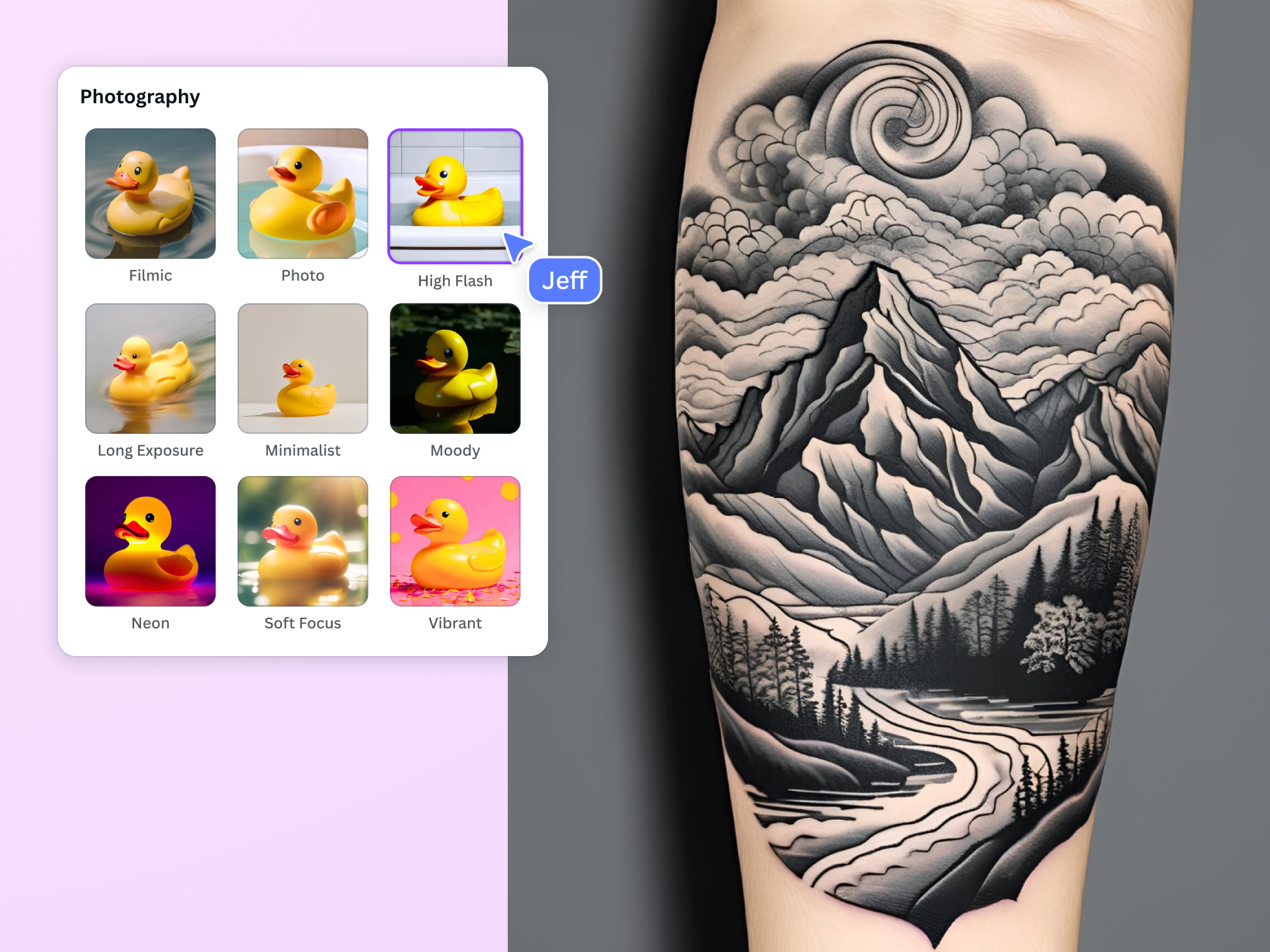
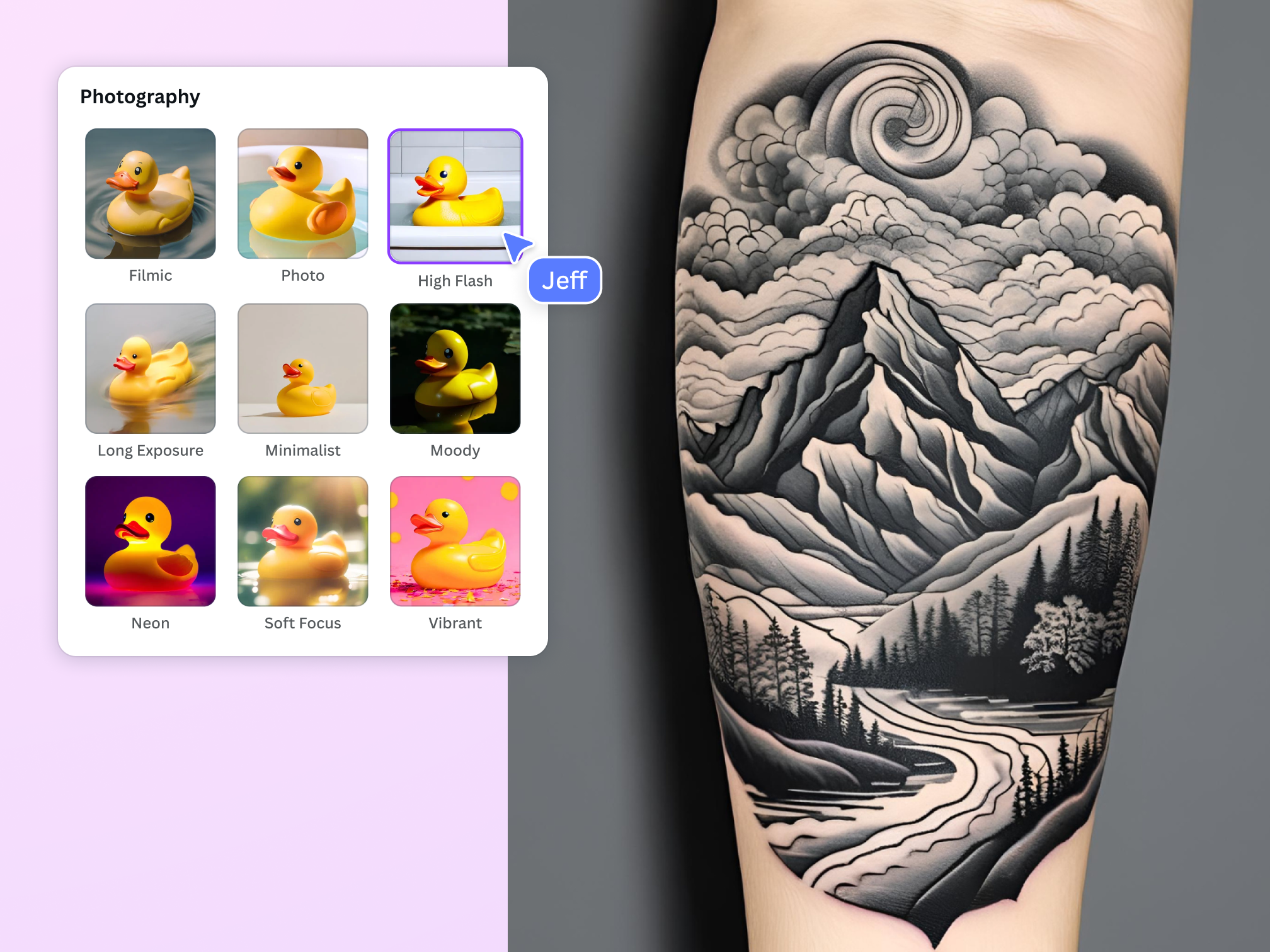
Generative AI models now create entirely new tattoo designs from text prompts. Tools like DALL-E 3, Midjourney, and Stable Diffusion allow users to describe a concept, and the AI visualizes it. For example, a prompt for “a neo-traditional tattoo of a phoenix rising from a pile of books, with bold colors and detailed linework” will generate several variations.
Translating AI-generated images into workable tattoo stencils remains a challenge. AI cannot yet understand tattooing constraints like skin elasticity, ink spread, or the need for clear, bold lines. An artist’s expertise is essential here. They must analyze AI output, identify potential problems, and refine the design for longevity. This is a process of interpretation and adaptation, not just printing the AI image onto skin.
AI will not replace tattoo artists; it is a powerful new tool in their arsenal. It helps them explore more design possibilities, speeds up the initial design process, and caters to specific client requests. This is about collaboration, not replacement. The artist still defines the final product, ensuring its quality and safety.
Design generation is only part of the process. AI-generated designs often require substantial cleanup and adjustment. Line weights can be inconsistent, details blurry, and the overall composition may not suit the human body. A skilled artist addresses these issues, ensuring the tattoo looks fantastic and ages well.
The Artist's Perspective: Collaboration, Not Replacement
The tattoo community's reception to AI is varied, leaning towards cautious optimism. Many artists see AI's potential to streamline work, such as generating initial sketches or exploring color palettes. However, skepticism remains regarding AI's ability to truly understand tattooing artistry.
One blackwork geometric design specialist stated, “AI provides a starting point, offering interesting shapes or patterns. However, I must arrange them appealingly and technically soundly. AI doesn’t grasp composition principles or tattooing limitations.” Another realism artist raised concerns about copyright and originality, discussed later.
The consensus is that AI is most valuable as a collaborative tool. It helps artists overcome creative blocks, explore new ideas, and meet complex client requests. This allows them more time for technical aspects like clean lines, proper saturation, and safe application. The artist ultimately controls the process, shaping AI output into unique art.
Content is being updated. Check back soon.
Navigating Copyright and Originality in the Age of AI Ink
The legal and ethical implications of AI-generated tattoo designs are complex and largely uncharted. Copyright law is currently unclear on ownership of AI-created images. Is it the user who prompted it? The AI model developers? Or is the image in the public domain?
This ambiguity poses risks for artists and clients. An artist using an AI design could face legal challenges if it’s substantially similar to existing copyrighted work. A client might discover their AI-generated tattoo isn't unique and could be reproduced elsewhere. This is a genuine concern.
AI models train on vast datasets of existing, often copyrighted, images. Even a seemingly original AI design may be influenced by underlying copyrighted material. This is a gray area with legal precedents still being established. Thoroughly researching the origin of any AI-generated design before committing is prudent.
Transparency is the safest approach. Artists should be upfront with clients about AI use in the design process and discuss potential copyright implications. Ensuring the AI-generated design is significantly modified and personalized helps avoid potential infringement.
AI-Powered Stencil Precision: Improving Line Work and Placement
AI is also impacting the technical aspects of tattooing. AI-powered stencil creation tools are being developed to automatically optimize line weight, curvature, and placement based on body contours. These tools analyze the target area and adjust the stencil to minimize distortion, ensuring clean, accurate application.
These tools reduce errors and improve precision, not replace artist skill. Automating tedious stencil creation aspects frees artists to focus on artistic details, leading to more efficient, higher-quality results.
AI also has potential for color blending and shading. Algorithms can analyze skin tone and suggest optimal color palettes. While still in early stages, this technology could lead to more realistic and nuanced
Finding Your AI-Assisted Ink Destination: What to Look for in a Shop
If you’re interested in getting an AI-assisted tattoo, finding the right shop is crucial. Not all tattoo parlors are embracing this technology, and even those that are may have different levels of expertise. Start by looking for shops that explicitly mention their use of AI in their marketing materials or on their websites.
When you’ve identified a few potential candidates, don’t hesitate to ask questions. How are they using AI? What is their process for refining AI-generated designs? What are their policies regarding copyright and originality? A reputable shop will be transparent and willing to discuss these issues openly.
Importantly, be sure the artist is proficient in traditional tattooing techniques as well as AI-assisted design. The best results will come from an artist who can seamlessly integrate both approaches. TattooRate can be a valuable resource in this search, allowing you to filter shops based on their specialties and read reviews from other clients. Look for shops that highlight their innovative approaches.
Gonna look for tattoo artists this week, picked out my next piece, just need to find the artist to do it :D
— Ronan (@RyomenRonan) April 12, 2026
The Future of Tattoo Art: Predictions for 2026 and Beyond
Looking ahead to 2026 and beyond, I anticipate that AI will become even more deeply integrated into the tattoo industry. We'll likely see more sophisticated AI models capable of generating increasingly realistic and detailed designs. The line between AI-generated art and human-created art will continue to blur.
One possibility is the development of AI-powered tattoo machines that can automatically apply ink to the skin with greater precision and consistency. While fully automated tattooing remains a distant prospect, we may see AI assisting with tasks like depth control and angle adjustments. The idea of a machine independently applying a complex tattoo is still far off, but incremental improvements are likely.
I also foresee the potential for AI to personalize tattoo designs based on an individual’s unique characteristics – their genetics, personality, or even their emotional state. Imagine a tattoo that changes color based on your mood or reflects your genetic ancestry. It sounds like science fiction, but the technology is rapidly advancing. We're already seeing inspiration from platforms like Pinterest, where current tattoo patterns and trends are readily available.
Ultimately, AI has the potential to democratize tattoo art, making it more accessible to a wider audience. By lowering the barriers to entry and streamlining the design process, AI can empower more people to express themselves through body art. However, it’s crucial to remember that AI is just a tool – the artistry and skill of the tattoo artist will always be the most important ingredient.
Content is being updated. Check back soon.

No comments yet. Be the first to share your thoughts!