
Ink Visions: AI's Creative Leap
Tattoo designs are changing fast, thanks to artificial intelligence. AI is moving from a futuristic idea to a real tool for creating detailed, personalized art. It means we can go beyond pre-drawn flash sheets and explore designs once unimaginable. This is a revolution in how people get inked.
At first, many tattoo artists and enthusiasts were skeptical. They worried about losing authenticity and artistry. The idea of a machine creating something as personal as a tattoo felt wrong. But the technology has advanced quickly, and AI can now generate concepts, explore styles, and create detailed mockups.
Things are evolving fast. AI isn't replacing artists, at least not yet. It's about enhancing their skills and giving clients more options. By 2026, AI will likely be part of almost every stage of the tattoo process, from concept to execution. This is a new frontier.
Style Synthesis: AI's Design Toolkit
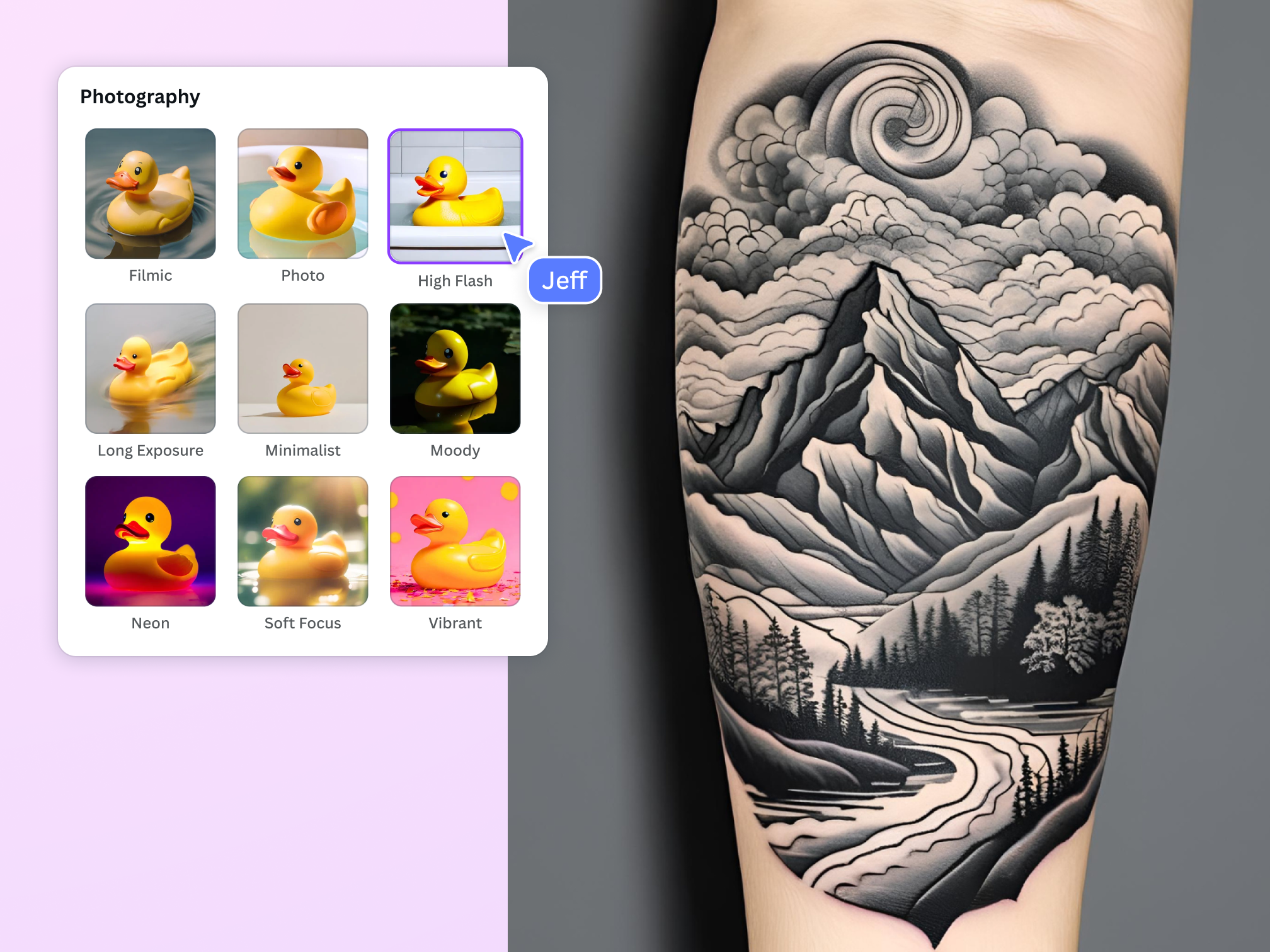
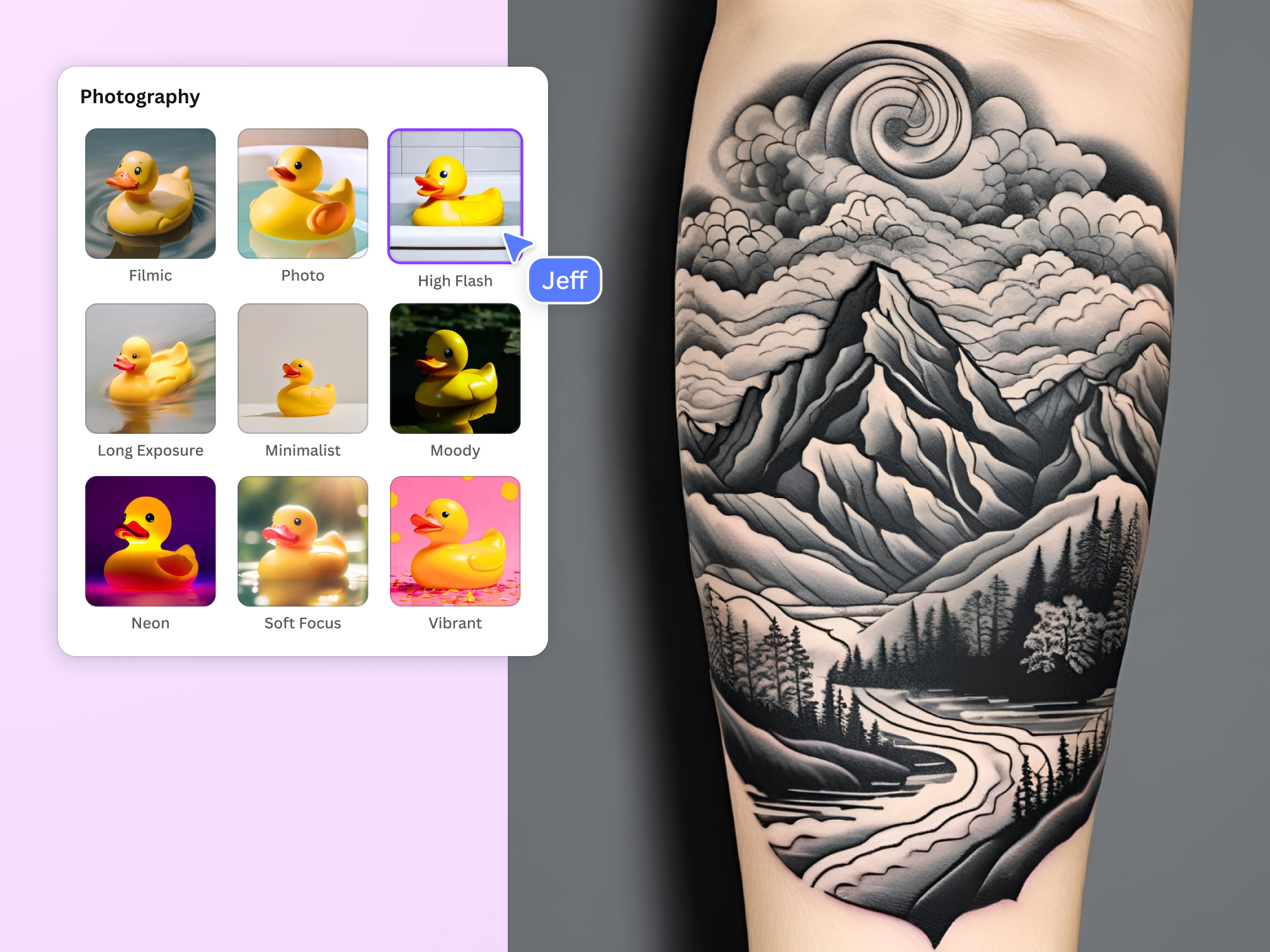
AI tattoo design works by combining different styles and subjects. Users give prompts like 'traditional Japanese dragon', 'watercolor floral sleeve', or 'geometric animal portrait', and the AI generates designs. It's like image-to-image generation, where the AI transforms an input based on a desired look.
These systems learn by analyzing large amounts of tattoo art. Platforms like Pinterest (with over 900 tattoo design ideas as of 2026) and Tattoodo are valuable data sources. The algorithms find patterns, styles, and common elements to create new designs. It's learning and remixing, not copying.
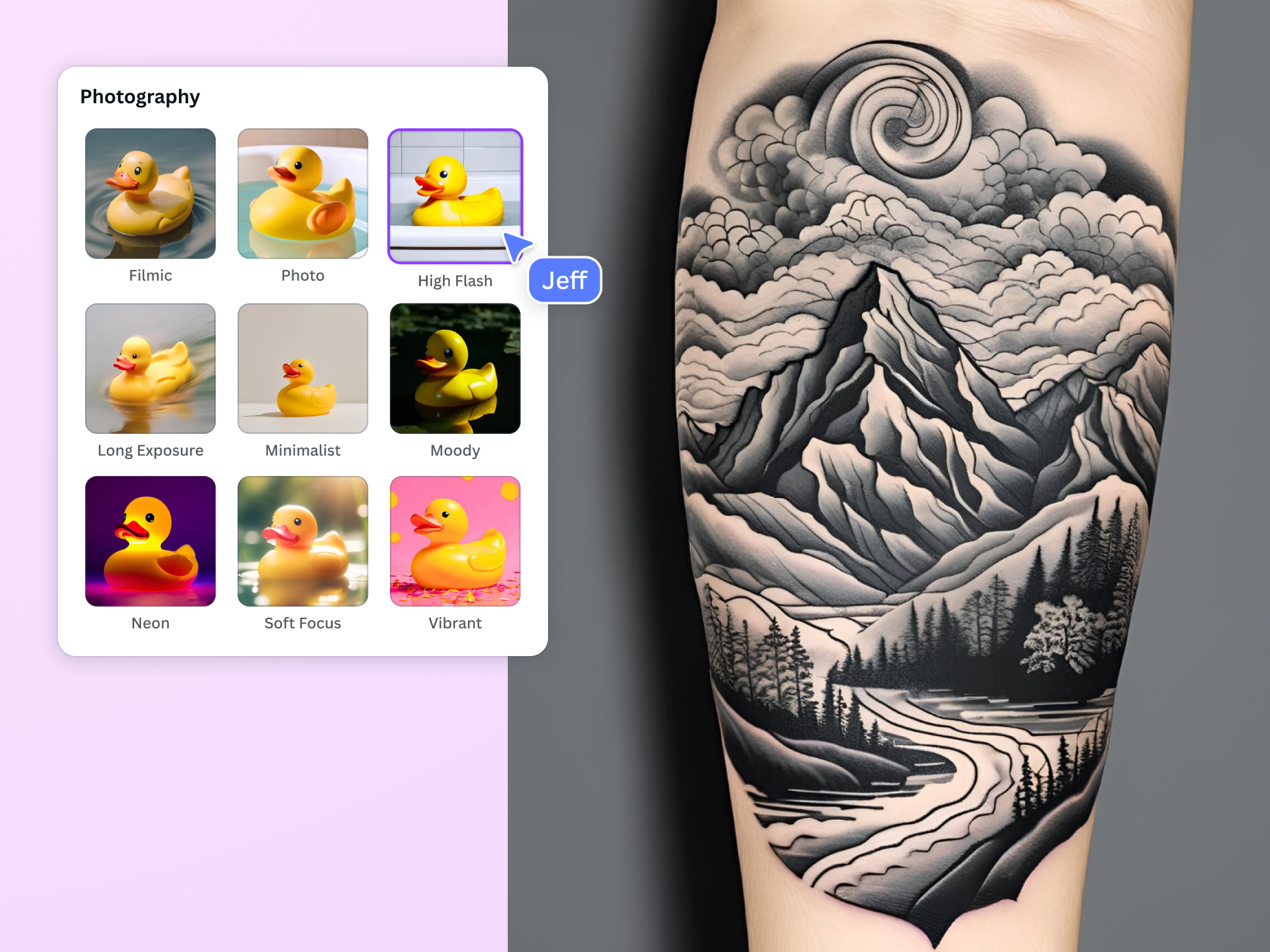
Users have more control. They can specify emotional tones like 'dark and moody', 'bright and cheerful', or 'minimalist and elegant'. Some tools also let users set the detail level, color palette, and composition. The underlying technology uses techniques like style transfer, applying the style of one image to the content of another.
The results aren't always perfect, but they're improving. An AI might generate a design that needs refinement, but it offers a solid starting point for artists and clients to work on together.
- Traditional Japanese: Emphasizes bold lines, vibrant colors, and iconic imagery like dragons and koi fish.
- Watercolor: Creates a soft, flowing effect with blended colors that mimic watercolor paintings.
- Geometric: Utilizes precise shapes and patterns to create abstract or representational designs.
- Portrait: Focuses on realistic or stylized depictions of people or animals.
Popular AI-Generated Styles
- Traditional American - Bold outlines, limited color palettes (often red, yellow, blue, and black), and classic motifs like roses, eagles, and anchors. AI excels at recreating this style’s iconic simplicity.
- Neo-Traditional - An evolution of Traditional American, featuring richer color palettes, more detailed imagery, and illustrative qualities. AI can generate complex designs within this style, blending vintage aesthetics with modern detail.
- Japanese (Irezumi/Wabori) - Characterized by large-scale designs, mythological creatures, floral imagery (cherry blossoms, peonies), and flowing compositions. AI is increasingly capable of producing elements suitable for this style, though full-body suit designs remain a challenge.
- Blackwork - Utilizing solely black ink, this style focuses on bold shapes, geometric patterns, and often tribal-inspired designs. AI easily generates striking Blackwork patterns and can adapt existing imagery into this monochromatic format.
- Watercolor - Mimicking the look of watercolor paintings, this style features soft gradients, blended colors, and a flowing, organic aesthetic. AI shows promise in creating visually appealing watercolor-style tattoo designs, though replicating the nuanced texture is still developing.
- Geometric - Based on precise shapes, lines, and patterns, often incorporating sacred geometry or mandalas. AI is particularly strong at generating intricate and symmetrical Geometric designs.
- Realism - Aiming to replicate photographic detail, this style requires a high level of skill and shading. While AI can generate realistic images, adapting them *specifically* for tattoo application (considering skin texture and longevity) is an ongoing area of development.
Artist Collaboration, Not Replacement
Will AI tattoo generators put artists out of business? I don't think so. AI is best used as a tool for artists, not a replacement for their skill. It's about collaboration, not competition.
AI is good at brainstorming and generating initial sketches. An artist can input a client's ideas and have the AI create dozens of variations in minutes. This saves time and lets the artist explore possibilities they might not have considered. It helps overcome creative blocks and refine concepts.
The AI-generated design is just a starting point. An artist's skill is crucial for refining the design, ensuring it's anatomically correct, and adapting it to the client's body. Applying the ink to skin requires years of training and a steady hand.
Personalization at Scale: The Future of Ink
AI-generated tattoo designs offer unprecedented personalization. Instead of scrolling through endless flash sheets, AI can create a design that's unique to you, reflecting your preferences and personality. This is a big step forward from standard options.
Imagine an AI that analyzes your body shape and creates a design that flows with your contours. Or one that incorporates your favorite colors, symbols, and memories into a cohesive artwork. The possibilities are limitless. Tattoos are becoming extensions of ourselves.
AI could factor in personality traits, from questionnaires or social media, to create a design that resonates with you. This technology is developing quickly. Creating deeply meaningful and personal tattoos is a game-changer. It's about self-expression.
- Initial Consultation: Discuss your ideas and preferences with the artist.
- AI Generation: The artist uses AI to generate multiple design concepts based on your input.
- Refinement: You and the artist collaborate to refine the chosen design, making adjustments to style, composition, and detail.
- Finalization: The artist prepares the final design for application.
- Execution: The artist expertly applies the tattoo to your skin.
Navigating Copyright and Originality
AI-generated art raises complex legal and ethical questions about copyright and originality. Who owns the copyright to an AI-created design? The user who provided prompts, the AI developer, or someone else? These questions are still debated.
There's also a risk of plagiarism. If an AI is trained on existing artwork, it might reproduce elements of copyrighted designs. This concerns artists and clients. It's important to ensure AI-generated designs are original and don't infringe on intellectual property.
To reduce these risks, artists and clients should review AI-generated designs and make substantial modifications to ensure originality. Using multiple AI tools and combining elements from different sources can help. Be upfront about the design being AI-assisted.
- Check for Similar Designs: Use reverse image search to see if the AI-generated design closely resembles any existing artwork.
- Modify the Design: Make significant changes to the design to ensure its originality.
- Consult with a Legal Professional: If you have concerns about copyright, seek advice from an attorney specializing in intellectual property law.
2026 Predictions: What to Expect
By 2026, AI-generated tattoo designs will likely be more sophisticated and integrated into the tattoo industry. We'll probably see improvements in AI's ability to generate realistic, detailed designs and more customization options. Quality will rise, making it harder to distinguish AI-generated from human-created art.
I also expect augmented reality (AR) technology to be integrated. Imagine virtually trying on a tattoo design with your smartphone before committing. Clients could visualize the design on their body and make adjustments. This is a natural progression and addresses a common client concern.
undefined the tattoo artist will evolve to focus more on refinement, execution, and client consultation.
Finding Your Ink Destination
So, you’re inspired and ready to explore the world of AI-assisted tattoo design? That’s where TattooRate comes in. We’re your comprehensive directory for finding the best tattoo shops and parlors in your area, including those that are embracing this exciting new technology.
Our platform allows you to search for shops based on style, location, and reviews. You can read insightful feedback from other clients and get a feel for the artist’s expertise and approach. Choosing the right artist is crucial, and TattooRate makes it easier than ever to find your perfect ink destination. Don’t settle for less – find a shop that understands your vision and can bring it to life.
Are you interested in getting an AI-assisted tattoo design?
AI-powered design tools are increasingly being used in tattoo studios to help artists and clients collaborate on custom ink concepts. We want to hear from the TattooRate community: would you consider using AI technology as part of your next tattoo design process? Vote below and share your thoughts in the comments!

No comments yet. Be the first to share your thoughts!