

Beyond Clean: Tattoo Hygiene in 2026
Getting a tattoo is a big decision, and people are approaching it with more scrutiny than before. The pandemic changed how we think about hygiene everywhere, and tattoo shops are no exception. It’s not enough for a shop to look clean anymore; clients are asking for proof of consistent, verifiable safety standards.
There’s a shift towards increased awareness and a demand for transparency. People want to know exactly how a shop maintains its cleanliness, not just that it does. Regulations surrounding tattoo safety are also evolving. While there isn’t a single national standard in the US, many states and municipalities are updating their guidelines, pushing for more rigorous protocols.
A safe tattoo shop in 2026 isn't simply tidy; it operates with a demonstrable commitment to infection control. It’s about the systems in place, ongoing artist training, and a willingness to openly discuss procedures. This is a higher bar than it used to be, and that’s a good thing. You deserve to feel confident in the safety of your artist and their space.
Client questions on forums and social media show a trend: they’re not just asking for portfolio recommendations, but detailed questions about sterilization processes and single-use policies. This heightened awareness drives shops to prioritize hygiene, and sites like TattooRate are becoming essential resources for finding those that do.
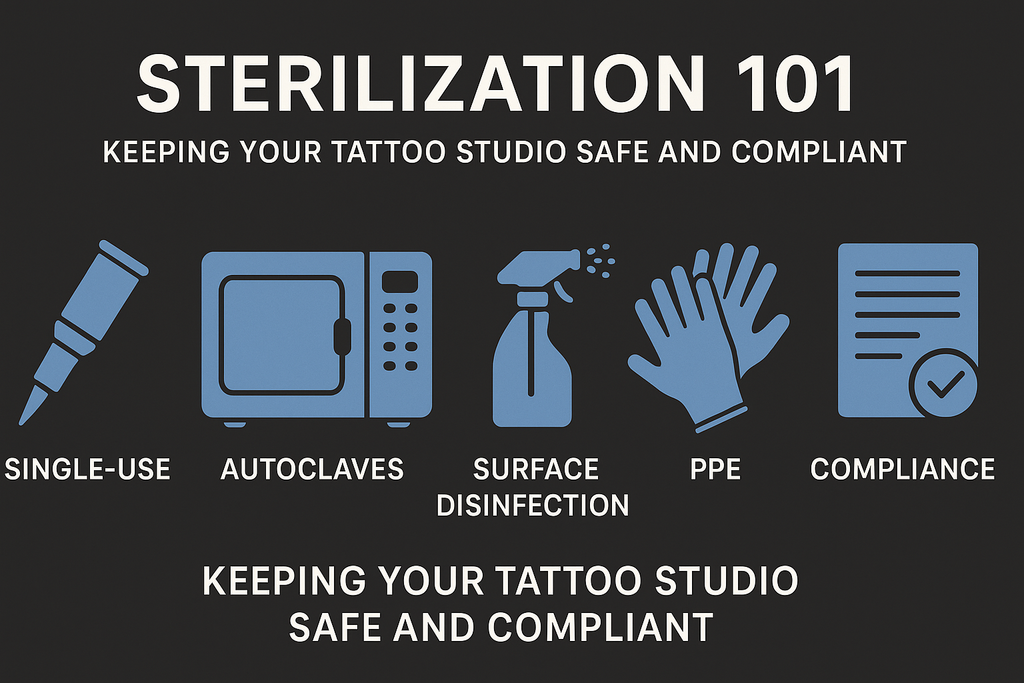
Sterilization: The Core of Safety
When discussing tattoo shop hygiene, sterilization is the most important piece. It’s easy to confuse this with disinfection or sanitation, so let’s break it down. Sanitation is the basic cleaning of surfaces – think wiping down a counter. Disinfection kills most germs, but not necessarily all spores. Sterilization, however, eliminates all microorganisms, including bacteria, viruses, and spores.
The gold standard for sterilization is an autoclave. These machines use high-pressure steam to kill everything. They aren’t cheap and require consistent maintenance, but they’re essential for any shop that takes safety seriously. You should feel comfortable asking a shop about their autoclave cycle parameters – temperature, pressure, and time.
Sterilization doesn’t stop with running the autoclave. Spore testing is crucial. This involves sending samples to a lab to confirm that the autoclave is killing all spores. Labs like Cros-Check offer these services, and shops should conduct these tests regularly – typically monthly, but sometimes more frequently depending on usage. The results should be documented and readily available for review.
Skipping spore testing is a major red flag. It’s like assuming your oven reaches the right temperature without using a thermometer. It’s a gamble with your health. Proper sterilization isn’t just about wiping down surfaces; it’s about ensuring all reusable equipment is genuinely safe.
Single-Use vs. Reusable: A Breakdown
There’s confusion around what should be single-use and what can be sterilized. The rule of thumb is simple: anything that penetrates the skin should be single-use. This includes needles, grips, tubes, ink caps, razors, and even the rubber bands used to secure cords. These items are designed for one-time use, and attempting to sterilize them is ineffective and dangerous.
Stainless steel instruments – forceps, ring stands, some types of pliers – can be effectively sterilized in an autoclave. However, these items need careful inspection for damage before each use. Cracks or corrosion can harbor bacteria, even after sterilization. The quality of the stainless steel matters too; cheaper alloys are less resistant to corrosion.
Running a tattoo shop is expensive. The cost of single-use supplies adds up quickly. Cutting corners here is never worth the risk. It’s a sign that the shop prioritizes profit over safety. A reputable shop will absorb those costs as a necessary part of doing business.
Artists sometimes talk about "reusable grips’ that are thoroughly disinfected. While disinfection is better than nothing, it’s not a substitute for single-use. The potential for cross-contamination is too high. Don"t hesitate to ask if a shop adheres to single-use protocols for all appropriate items.
Tattoo Tool & Supply Hygiene: Single-Use vs. Sterilizable - Spring 2026 Standards
| Item | Material | Single-Use? | Sterilizable? | Notes |
|---|---|---|---|---|
| Needles | Stainless Steel | Yes | No | Always single-use to prevent cross-contamination. |
| Grips | Stainless Steel/Plastic | Often Single-Use | Yes | Disposable grips are increasingly common. If reusable, must be thoroughly sterilized after each use. |
| Tubes | Stainless Steel | Often Single-Use | Yes | Similar to grips, disposable tubes are favored. Reusable tubes require rigorous sterilization protocols. |
| Ink Caps | Plastic | Yes | No | Single-use only to maintain ink integrity and prevent contamination. |
| Stainless Steel Instruments (Forceps, Hemostats) | Stainless Steel | No | Yes | Must be sterilized using appropriate methods between each client. |
| Razors | Stainless Steel | No | Yes | Reusable razors require thorough cleaning and sterilization. Disposable razors are preferred for hygiene. |
| Spray Bottles (for solutions) | Plastic | No | Limited | Difficult to fully sterilize; best practice is frequent replacement or dedicated bottles for specific solutions and regular disinfection of exterior surfaces. |
| Work Surfaces | Various | No | Yes | Surfaces should be disinfected between each client using appropriate cleaning solutions. |
Illustrative comparison based on the article research brief. Verify current pricing, limits, and product details in the official docs before relying on it.
Hand Hygiene & Barrier Protection
Handwashing seems basic, but it’s often done incorrectly. Artists should wash their hands thoroughly with antibacterial soap and warm water for at least 20 seconds before setting up, after contact with anything that could be contaminated, and between clients. This isn’t a quick rinse; it’s a deliberate process.
Gloves are essential, but they’re not a free pass. Artists should change gloves frequently – between tasks, after touching anything unclean, and immediately if they tear. Latex allergies are common, so nitrile gloves are generally preferred. The right gloves are important, but proper technique matters more. Avoid touching anything outside the sterile field with gloved hands.
Barrier film is another important layer of protection. This plastic wrap covers equipment (tattoo machines, power supplies, spray bottles) and surfaces (workstations, clip cord holders) that could become contaminated. It creates a physical barrier between the artist and potential pathogens.
Don’t overlook the importance of masks and eye protection. Both the artist and the client should wear appropriate PPE to prevent the spread of airborne particles. A well-rounded hygiene approach considers all potential routes of transmission, not just direct contact.
- Wet hands with clean, running water.
- Apply enough soap to cover all hand surfaces.
- Lather well, scrubbing all surfaces (palms, backs of hands, between fingers, under nails) for at least 20 seconds.
- Rinse thoroughly under clean, running water.
- Dry hands with a clean towel or air dry.
Ink & Solution Safety: What to Ask
The inks used in tattooing aren’t heavily regulated, meaning quality can vary significantly. Ask your artist about the brands they use and where they source their inks. Reputable brands generally have better quality control and are less likely to contain contaminants. Look for inks certified by organizations like the Coalition of Concerned Tattooers.
Dilution solutions are also important. These adjust the consistency of the ink and need to be sterile. Distilled water is the safest option, but some artists use commercially prepared dilution solutions. Make sure the shop uses a sterile solution and that it’s properly stored.
Proper waste disposal is crucial. Used ink caps, contaminated materials, and sharps (needles) should be disposed of in designated biohazard containers. The shop should have a clear plan for handling and disposing of these materials according to local regulations.
Precise regulations regarding ink composition vary by jurisdiction, so it’s best to focus on what a responsible shop should be doing: being transparent about their ink sourcing, using sterile dilution solutions, and following proper waste disposal procedures. If an artist is hesitant to answer your questions, that’s a red flag.
Shop Environment: Cleanliness Counts
undefined feels cleaner.
Ventilation is also important. Proper airflow helps to remove airborne particles and maintain a comfortable environment. The shop should have a system in place to ensure adequate ventilation. Air purifiers can also be a helpful addition.
There should be a dedicated sterile packaging area where pre-sterilized equipment is opened and prepared for use. This area should be separate from the general workspace to prevent contamination. It's a sign of a shop that takes its protocols seriously.
Pay attention to the overall atmosphere. Is the shop cluttered and disorganized, or is it clean and well-maintained? Does it smell fresh, or does it have a stale or chemical odor? These details can tell you a lot about the shop’s hygiene standards. A truly safe shop will prioritize cleanliness in every aspect of its operation.
Essential Hygiene Products for Post-Pandemic Tattoo Parlors

Compact footprint suitable for smaller spaces · Designed for easy operation · Ideal for small offices
This autoclave is essential for sterilizing tattoo equipment, ensuring a safe and hygienic environment for clients and artists.

Bleach-free disinfecting formula · Fresh scent with crisp lemon notes · Pack of 3, 75 wipes each
These wipes offer a convenient way to disinfect surfaces and equipment, contributing to overall cleanliness and reducing the risk of cross-contamination.

Self-sealing design for convenience · Latex-free material · Features a color-changing indicator for sterilization confirmation
Sterilization pouches with clear indicators are vital for confirming that instruments have undergone the sterilization process, ensuring their safety for use.

Designed for safe disposal of needles and syringes · 1-quart capacity · Suitable for both professional and home use
Proper sharps disposal is critical for preventing accidental needle sticks and biohazard exposure, making these containers a necessary safety measure.

Advanced formula for effective germ killing · Refreshing clean scent · Convenient 1-liter pump bottle
Readily available hand sanitizer is fundamental for tattoo artists and clients to maintain hand hygiene between procedures, minimizing germ transmission.
As an Amazon Associate I earn from qualifying purchases. Prices may vary.
Reading the Signs: Red Flags to Watch For
Being an informed client is the best defense against unsafe practices. During your consultation, pay attention to the shop’s overall cleanliness. Are there visible signs of dirt or grime? Are surfaces wiped down between clients? Is the space well-organized?
Watch for reused single-use items. This is a major red flag. Needles, grips, tubes, and ink caps should always be single-use. If you see anything that looks like it’s been reused, leave immediately. Don’t be afraid to ask questions about their sterilization procedures and request to see evidence of spore testing.
Lack of personal protective equipment (PPE) is another warning sign. Artists should be wearing gloves, masks, and eye protection. If they’re not, that’s a clear indication that they’re not prioritizing safety. Also, observe if the artist washes their hands before starting your tattoo.
Trust your gut. If something feels off, don’t hesitate to walk away. Your health is more important than any tattoo. Don’t be afraid to ask tough questions and demand clear answers. A reputable artist will be happy to address your concerns.
TattooRate & Community Feedback
At TattooRate, we’re committed to helping you find safe and reputable tattoo shops in your area. Our directory features detailed listings, including shop information, artist portfolios, and – most importantly – community reviews.
Reading reviews from other clients is a great way to get a sense of a shop’s hygiene standards and overall quality. Pay attention to comments about cleanliness, sterilization practices, and the artist’s professionalism. Our rating system provides a quick and easy way to assess a shop’s reputation.
We encourage you to contribute your own experiences and feedback to help others make informed decisions. Your reviews can make a real difference in helping to raise the bar for tattoo shop hygiene. By sharing your experiences, you’re helping to create a safer and more transparent tattoo community.
TattooRate is a resource for finding the right artist and the right shop. We believe that everyone deserves a safe and positive tattoo experience. Take the time to research your options and choose a shop that prioritizes hygiene and safety above all else.

No comments yet. Be the first to share your thoughts!