
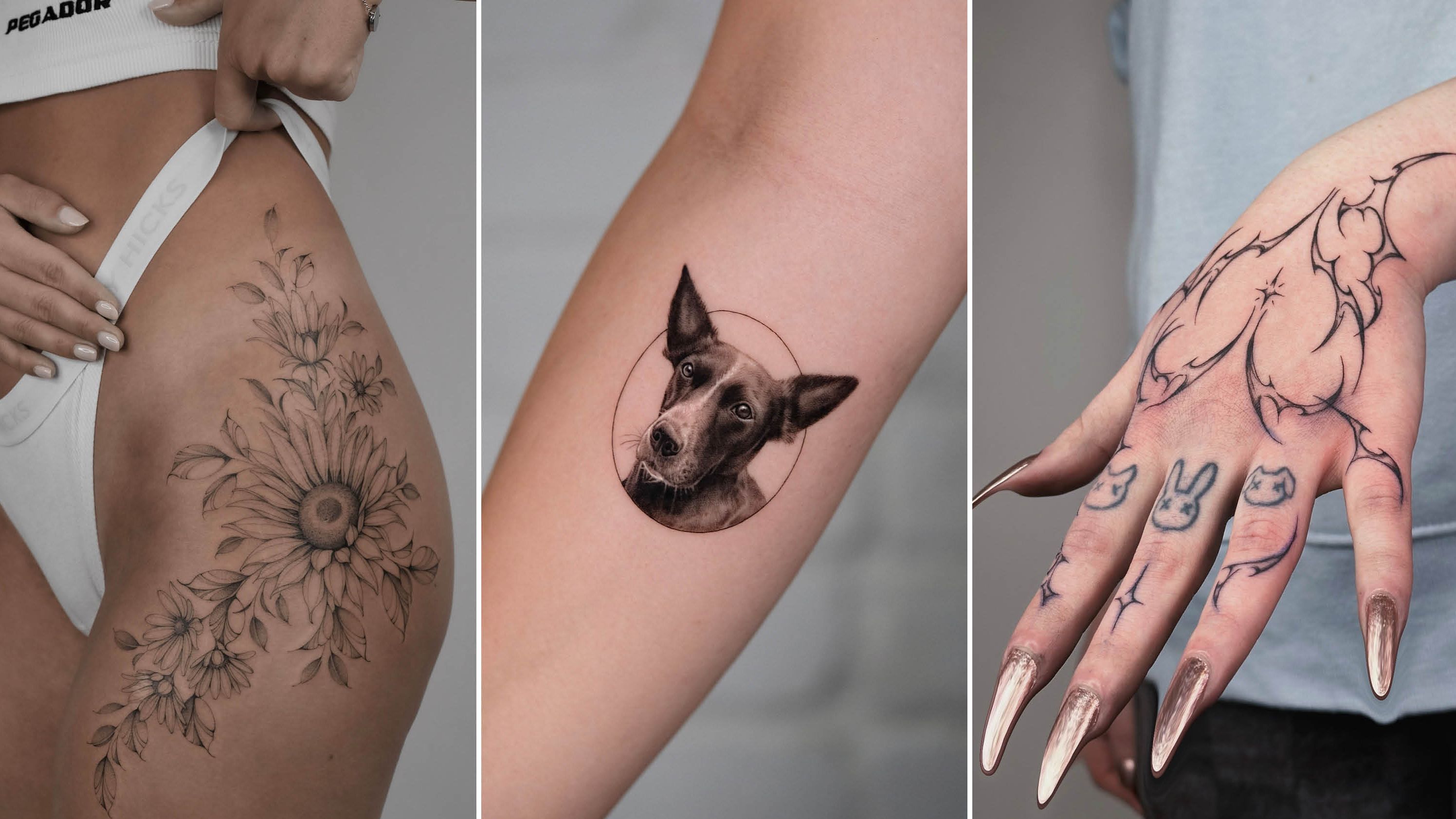

Why review quality matters more than star counts
A five-star average is often a vanity metric that hides more than it reveals. In the tattoo industry, star counts can be inflated by polite clients who value friendliness over technical precision, or suppressed by one-off bad experiences with staff rather than the artist’s work. When you are committing permanent ink to your skin, the number of stars is far less important than the substance of the reviews.
To find a true match, you need to look past the score and read for specific criteria. High-quality reviews describe the artist’s communication, their ability to translate ideas into designs, and how the tattoo healed over time. Look for comments on hygiene, needle comfort, and whether the artist stuck to the agreed-upon timeline. A review that says "great job" tells you nothing about the artist’s skill level or professionalism.
Conversely, be wary of reviews that are overly emotional or vague. While personality matters, a tattoo is a medical and artistic procedure. Prioritize artists whose reviews highlight technical competence, clean lines, and proper aftercare instructions. If a shop has a mix of glowing technical praise and complaints about rude front-desk staff, the artist’s portfolio is likely still your best guide. Always cross-reference the written feedback with the artist’s actual portfolio to ensure their style aligns with your vision.
Where to find verified tattoo artist feedback
Finding a reliable tattoo artist requires looking beyond generic star ratings. While general platforms like Yelp and Trustpilot provide a broad overview of shop hygiene and customer service, they often lack the specific artistic nuance needed for a permanent piece. Yelp, for instance, aggregates thousands of reviews for shops like Studio 21 Tattoo Gallery, offering a high-volume snapshot of general client satisfaction. However, these platforms can be skewed by non-artistic factors like booking wait times or front-desk interactions.
For deeper artistic verification, specialized communities and dedicated review sites offer more targeted insights. Platforms like Last Sparrow focus specifically on tattoo shop reviews, allowing users to filter feedback by style or technique. This is crucial because an artist might have excellent hygiene ratings but struggle with specific styles like fine-line realism or traditional boldwork. Reading these specialized reviews helps you assess whether an artist’s portfolio matches the specific aesthetic you are seeking.
When evaluating feedback, look for reviews that mention specific details about the healing process, pain management, and how well the artist translated your reference images into final artwork. Generic praise is less useful than detailed accounts of the artist’s communication and technical precision. By cross-referencing general platform data with specialized community feedback, you can build a more accurate picture of an artist’s true capabilities.
What to Look for in a Tattoo Review
Not all reviews are created equal. A five-star rating with a single emoji tells you little about the actual experience. To find a match for your skin and style, you need to look past the stars and read for specific, actionable details. The best reviews act as a diagnostic tool, revealing the artist's hygiene standards, communication style, and professionalism.
Hygiene and Studio Cleanliness
The most critical indicator of a professional artist is how they handle safety. Look for reviews that explicitly mention the studio environment. Phrases like "clean studio," "fresh gloves," or "opened needles in front of me" are strong signals of a reputable shop. Conversely, vague comments about cleanliness without specific details can be a red flag. A good review will often note if the artist wore a mask or if the workspace looked organized, which suggests a culture of safety rather than just a one-time effort.
Artist Demeanor and Communication
Tattooing is an intimate process that requires trust. Effective reviews highlight how the artist made the client feel. Look for mentions of the artist listening to your ideas, offering constructive feedback, or explaining the process clearly. For example, a review stating, "Lee made me feel comfortable throughout the entire session," indicates strong interpersonal skills. An artist who is patient, punctual, and respectful of your pain tolerance levels is often more valuable than one who is merely technically proficient but difficult to work with.
Aftercare Instructions
A responsible artist provides clear aftercare guidance. Check if the review mentions receiving written instructions or a detailed verbal walkthrough of how to care for the new ink. Reviews that praise the artist for following up or answering post-session questions demonstrate a commitment to the longevity of the work. This attention to detail ensures your tattoo heals properly and retains its vibrancy.
Essential tattoo supplies for aftercare success
The right artist delivers the art, but the right supplies keep it there. Aftercare is where a fresh tattoo either settles into a vibrant, permanent piece or fades into a patchy memory. Treating your skin with specific, proven products prevents infection, preserves ink saturation, and ensures the healing process runs smoothly without complications.
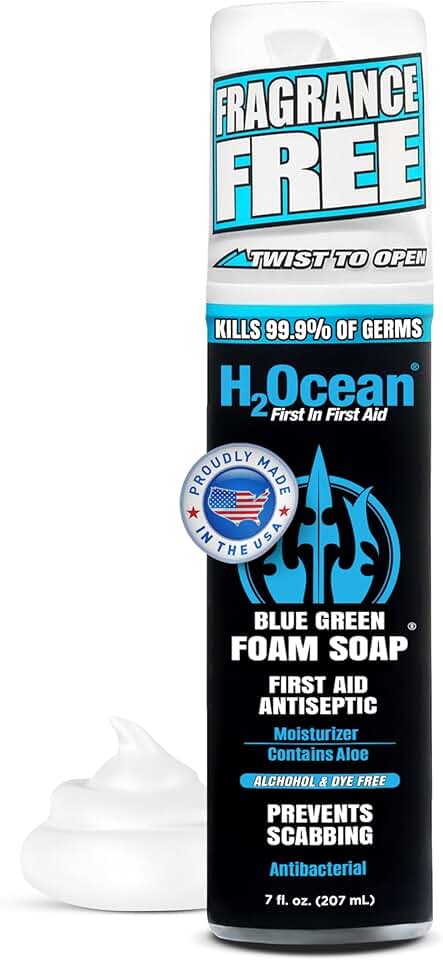
Gentle, fragrance-free cleanser
Your skin needs to breathe and stay clean without being stripped of its natural oils. Harsh soaps can irritate the wound, while fragrance-free options minimize the risk of allergic reactions during the sensitive healing phase. Look for pH-balanced liquid cleansers designed for sensitive skin or tattoo aftercare.
Healing ointment or moisturizing lotion
In the first few days, a thin layer of specialized ointment keeps the tattoo moist and protected from bacteria. Once the initial peeling starts, switch to a lightweight, unscented lotion to prevent scabbing and cracking. Avoid petroleum-based products like Vaseline, which can trap heat and bacteria against the skin.

Broad-spectrum sunscreen
UV rays are the number one enemy of tattoo longevity. Once your skin is fully healed, applying a broad-spectrum sunscreen with at least SPF 30 every time you are outdoors will prevent the ink from fading or blurring over time. This is not optional; it is the single most effective way to maintain the integrity of your art for decades.

Compare top tattoo artists by style and location
Finding the right artist means matching your design concept to their specific technical strengths. A traditional American artist uses bold lines and solid color packing, while a realism specialist focuses on shading gradients and skin texture. Reviewing portfolios and reading client feedback helps you filter for these distinct styles rather than general popularity.
When comparing artists, look beyond just the visual aesthetic. Consider the average session cost and booking wait times, which often correlate with the complexity of the style. Fine line work may require multiple shorter sessions, whereas large-scale realism might be completed in fewer, longer appointments.
The table below compares common tattoo styles, typical pricing structures, and average booking lead times to help you plan your appointment.
| Style | Avg. Session Cost | Booking Wait | Best For |
|---|---|---|---|
| Traditional | $150–$300 | 2–4 weeks | Bold, simple designs |
| Realism | $200–$400+ | 1–3 months | Portraits, detailed scenes |
| Fine Line | $100–$200 | 1–2 months | Delicate, minimalist work |
| Blackwork | $150–$250 | 2–6 weeks | Solid black, geometric patterns |
What to write in a tattoo review
A strong tattoo review helps future clients gauge an artist’s skill and professionalism. Focus on concrete details rather than vague praise. Mention specific elements like line sharpness, shading smoothness, and color saturation. Did the artist follow your reference image accurately? Did they adjust the design to fit the body’s contours?
Include observations about the studio environment. Was the workspace clean and organized? Did the artist use proper sterilization techniques? These safety indicators are just as important as the final aesthetic. Note how the artist handled your comfort during the session, including breaks and pain management.
Describe the consultation process. Did they listen to your ideas and offer professional feedback? A good artist explains aftercare clearly and sets realistic expectations. Mention if they provided a touch-up policy or followed up on healing. This context helps other buyers decide if the artist’s style and service match their needs.
Helpful gear
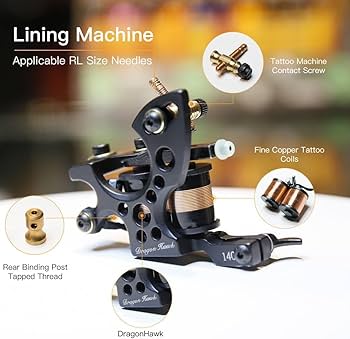
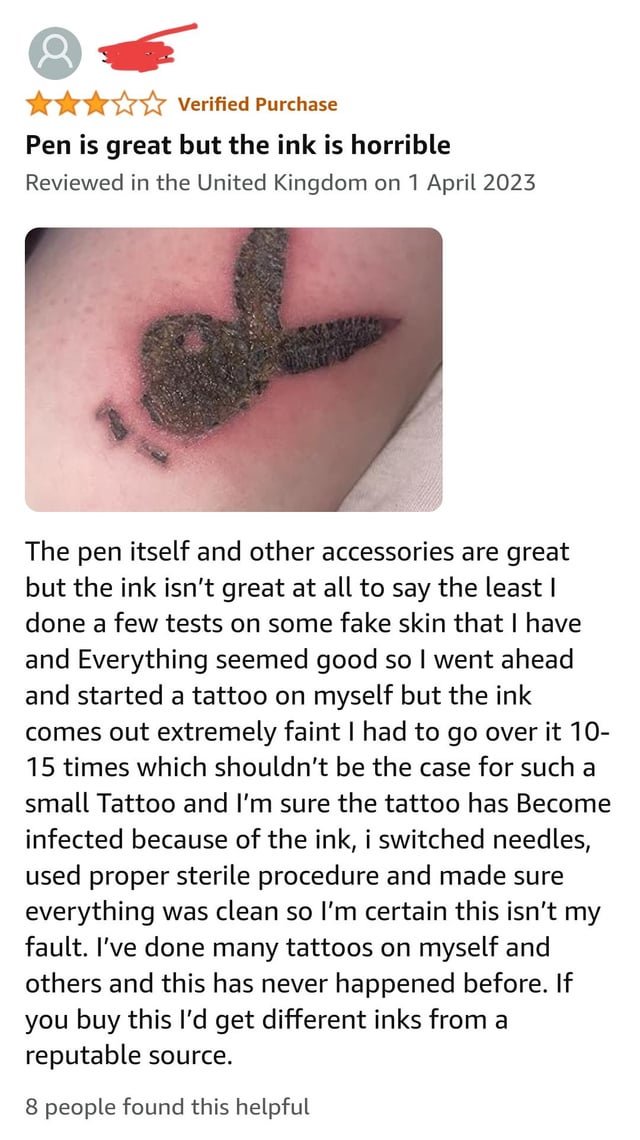
Use these product recommendations as a starting point, then choose the size, material, and price point that fit how you actually use the gear.

As an Amazon Associate, we may earn from qualifying purchases.
No comments yet. Be the first to share your thoughts!