
How ink quality affects the price
There’s a common assumption that a higher price automatically equates to a better tattoo, but that isn't always the case. It's easy to get caught up in the hype surrounding certain artists or shops, but being an informed customer is the best way to ensure you’re getting value for your money. Price in tattooing is driven by a lot of things – the artist’s experience and demand, the shop’s location and overhead, the type of ink used, and importantly, adherence to strict sterilization protocols.
A shop with a prime location in a major city will naturally have higher costs than one in a more rural area. Similarly, an artist who is highly sought-after and specializes in a particular style can command a premium price. But those aren’t the only factors. The quality of the ink itself can vary considerably, with some brands offering more vibrant and long-lasting colors than others. And, of course, the time and skill involved in creating a complex, custom design will increase the cost.
However, you also need to be aware of potential overspending. Some shops capitalize on their reputation or location, charging exorbitant prices without necessarily delivering superior quality. Look for clean floors, sealed needles, and a portfolio with consistent work. If a shop skips basic safety to lower the price, walk out.
It’s not just about avoiding the highest prices, but identifying the best value. A slightly higher price for an artist who clearly demonstrates skill and prioritizes hygiene is often a better investment than a significantly cheaper tattoo from an inexperienced or careless artist. This is where resources like TattooRate come into play, offering a way to compare shops and read reviews from other customers.
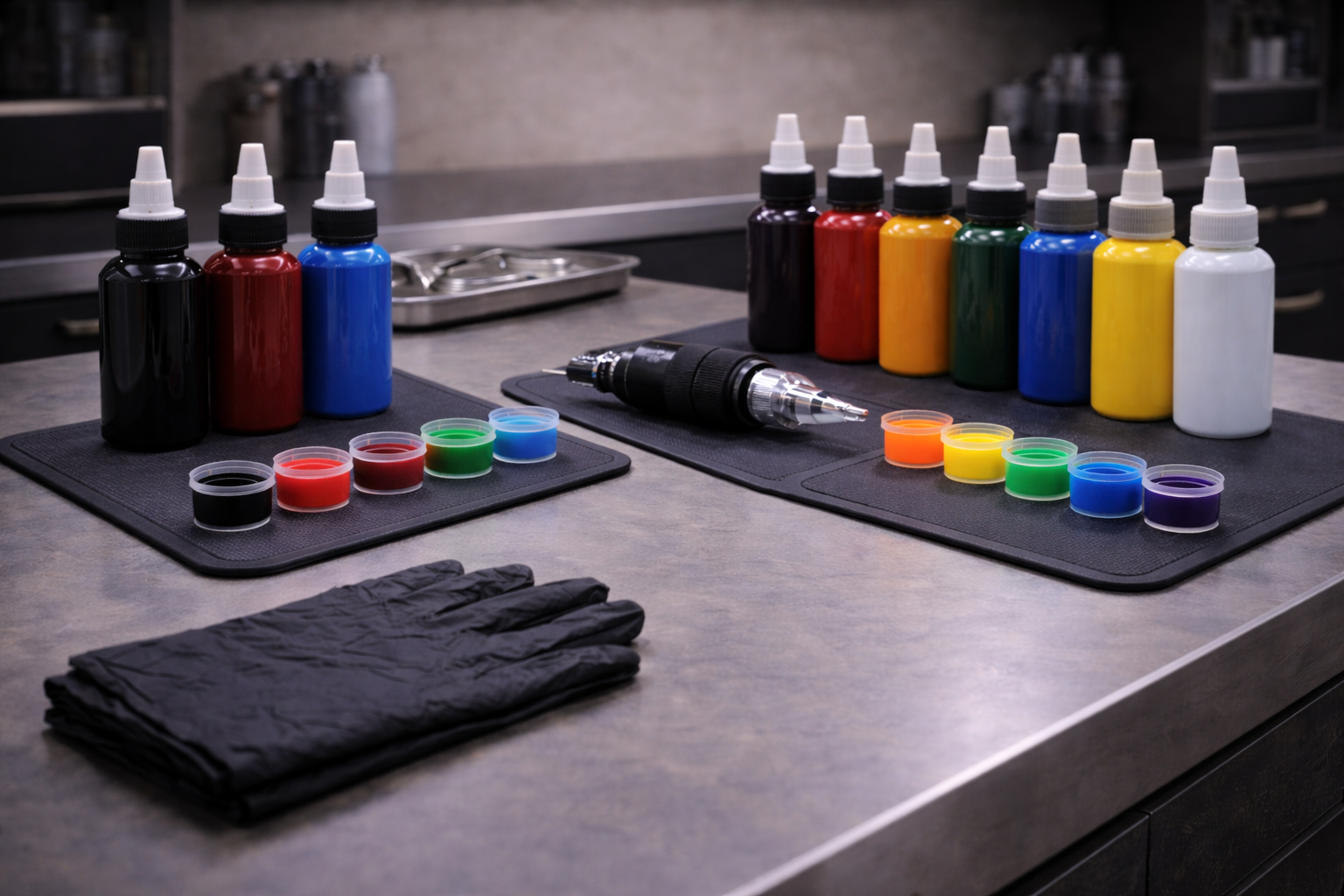
What $100 gets you in 2026
Let's be realistic about what $100 can buy you in a tattoo shop in 2026, factoring in a bit of inflation. You're likely looking at a relatively small, simple design – think a basic symbol, a short word, or a very small image. Expect size limitations; anything larger than a couple of inches will likely push the price up. Complex designs or a lot of color will also be out of the question.
At this price point, you’ll likely be working with a less experienced artist, potentially someone still building their portfolio. This isn't inherently bad, but it means the level of skill and precision might not be as high as with a more established artist. Wait times might be shorter, as budget shops often have more availability, but that could be because fewer people are seeking them out.
Cheap tattoos often mean the shop is saving money on overhead. Sometimes that's just rent, but other times it's safety. Watch the artist open a fresh needle and check that their workspace is wiped down with disinfectant before you sit down.
Don't expect a detailed consultation or extensive aftercare instructions at this price point. You might get a basic application of ointment, but a comprehensive aftercare guide is less likely. If you're considering a budget shop, do your research, read reviews, and be prepared to ask a lot of questions about their sterilization procedures.
- Expect a design under two inches with minimal detail.
- Artist experience will likely be limited.
- Wait times may be shorter.
- Thoroughly verify sterilization practices.
Service & Quality Differences
- Flash Design Focus - Budget shops often primarily offer pre-drawn flash designs, limiting customization.
- Size Restrictions - Expect size limitations, commonly around 2x2 inches, at lower-priced studios. Larger, more complex pieces are typically unavailable.
- Color Palette - Budget options frequently have a restricted color palette, potentially impacting the vibrancy and detail achievable.
- Artist Experience - Premium shops generally employ artists with more extensive portfolios and years of experience.
- Consultation Depth - Detailed consultations regarding design, placement, and aftercare are more common at higher-end studios.
- Aftercare Support - Premium shops often provide comprehensive aftercare instructions and support, while budget options may offer basic guidance.
- Wait Times - Due to high demand, premium artists may have longer waitlists for appointments.
- Studio Environment - Higher-priced studios typically prioritize a more sterile, comfortable, and aesthetically pleasing environment.
Premium Studio Costs: The $300+ Experience
Stepping up to the $300+ range opens up a world of possibilities. This is where you can expect custom designs tailored to your specific vision, created by experienced artists with established portfolios. You’re paying not just for the ink, but for the artist’s time, skill, and creative input.
Premium studios often offer private studio spaces, providing a more comfortable and personalized experience. The quality of the inks used is typically higher, resulting in more vibrant and long-lasting colors. You can also expect a detailed consultation with the artist to discuss your design, placement, and aftercare.
The value of an artist’s reputation and specialization cannot be overstated. An artist who specializes in a particular style – like traditional Japanese, realism, or watercolor – will have honed their skills and developed a unique aesthetic. Choosing an artist who is a master of their craft increases the likelihood of a stunning and well-executed tattoo.
Beyond the technical aspects, a premium studio will prioritize your comfort and safety. They’ll have comprehensive aftercare instructions, and be readily available to answer any questions you have. This level of support is invaluable, especially for first-timers. You're investing in a piece of art that will last a lifetime.
- Custom design work
- Artists who have spent years mastering specific styles like Japanese traditional or realism.
- Higher-quality inks
- Private studio space (potentially)
- Detailed consultations and aftercare
Budget-Friendly vs. Premium Tattoo Shops: Qualitative Comparison (2026)
| Category | Low | Medium | High |
|---|---|---|---|
| Artist Experience | Typically newer to the profession; building portfolio. | Mixed experience levels; some established artists, some newer. | Highly experienced, often specializing in specific styles; established reputation. |
| Design Customization | Limited customization; often relies on flash art with minor alterations. | Moderate customization; willing to adapt flash or work from simple references. | Extensive customization; collaborative design process, original artwork creation, detailed consultations. |
| Ink Quality | May use a wider range of ink brands, potentially including less expensive options. | Generally uses reputable ink brands, with a focus on colorfastness and safety. | Utilizes high-end, artist-preferred inks known for longevity, vibrancy, and minimal allergic reactions. |
| Sterilization Procedures | Meets basic health code requirements; visible effort towards hygiene. | Strict adherence to health code standards; autoclave use and proper disinfection protocols. | Exceeds health code standards; meticulous sterilization procedures, detailed documentation, and potential for single-use equipment where feasible (as per NYC Department of Health guidelines). |
| Consultation Time | Brief consultations; focuses on placement and basic design choices. | Moderate consultation time; discussion of design, placement, and aftercare. | Extensive consultation time; in-depth discussion of design, placement, potential healing issues, and long-term care. |
| Aftercare Support | Basic aftercare instructions provided. | Detailed aftercare instructions and limited follow-up support. | Comprehensive aftercare instructions, proactive follow-up, and readily available to address concerns. |
Illustrative comparison based on the article research brief. Verify current pricing, limits, and product details in the official docs before relying on it.
Safety standards you can't skip
Your health and safety should be the absolute top priority when choosing a tattoo shop. The New York City Department of Health and Mental Hygiene (nyc.gov) has strict health standards and recommendations for tattooing, outlined in their March 2016 guidelines. These standards are in place to protect both artists and clients from the risk of infection.
According to nyc-business.nyc.gov, body piercing and tattooing facilities are required to obtain a license and undergo regular inspections to ensure compliance with these standards. Key requirements include proper sterilization of all equipment, the use of single-use needles and tubes, and appropriate disposal of sharps. Artists must also be trained in bloodborne pathogen safety.
When visiting a shop, observe the cleanliness of the environment. Is it tidy and well-maintained? Do artists wear gloves and other protective gear? Are surfaces disinfected between clients? Don’t hesitate to ask questions about their sterilization procedures. A reputable shop will be happy to explain their practices and demonstrate their commitment to hygiene.
Red flags to watch out for include unclean environments, artists who don’t wear gloves, a lack of proper documentation (like sterilization logs), and a general disregard for hygiene. If you feel uncomfortable or have any doubts about a shop’s safety practices, leave and find another one. It’s simply not worth the risk.
- Verify the shop has a valid license.
- Observe the cleanliness of the environment.
- Ensure artists wear gloves and protective gear.
- Ask about sterilization procedures.
- Look for proper disposal of sharps.
Review Roundup: TattooRate's Top-Rated Shops (2026)
TattooRate is a valuable resource for finding top-rated tattoo shops in your area. Here’s a look at a few standouts, categorized by price point as of late 2026 (prices are approximate and based on average customer reports):
Budget-Friendly: Ink Slingers (Average $80-150) – This shop consistently receives positive reviews for its friendly atmosphere and affordable prices. Customers praise their simple, clean designs and quick turnaround times. “Great for a small, basic tattoo. The artist was professional and the shop was clean.” – Sarah M.
Mid-Range: Electric Canvas ($180-300) – Electric Canvas strikes a balance between affordability and quality. They have a team of talented artists specializing in various styles, and offer custom design work. “I got a beautiful floral piece here. The artist listened to my ideas and created exactly what I wanted.” – David L.
Premium: Obsidian Ink ($350+) – Obsidian Ink is known for its highly skilled artists and stunning custom tattoos. They specialize in realism and Japanese-style tattoos, and provide a luxurious experience. “Worth every penny. The artist was a true master of their craft, and the tattoo is absolutely flawless.” – Jessica K.
Hidden Gem: The Painted Sparrow ($200-280) - This smaller shop is gaining a lot of traction for its commitment to fine-line work. Customers rave about the artist's attention to detail and personalized service. “The most comfortable I’ve felt getting a tattoo – truly a collaborative experience!” – Mark B.
Specialty Shop: Sacred Geometry Tattoo ($300+) – Focused exclusively on geometric and mandala designs, this studio is a favorite among those seeking intricate and symbolic tattoos. “If you want a perfectly executed geometric tattoo, look no further!” – Emily R.
- Ink Slingers (Budget)
- Electric Canvas (Mid-Range)
- Obsidian Ink (Premium)
- The Painted Sparrow (Hidden Gem)
- Sacred Geometry Tattoo (Specialty)
Featured Products

Heals and protects new tattoos · Rejuvenates older tattoos · 100% vegan and petroleum-free
This vegan balm is a popular choice for promoting healthy tattoo healing and maintaining vibrant ink.

SPF 30 broad-spectrum protection · Water-resistant and enriched with Vitamin E · Hawaii 104 Act compliant (reef-friendly)
Protecting your healed tattoo from sun damage is crucial for preserving its appearance, and this travel-friendly stick offers convenient defense.

Specifically formulated for tattoo and piercing aftercare · pH-balanced to cleanse without stripping moisture · Leaves no residue and is free from fragrance, alcohol, lanolin, and petroleum
Gentle cleansing is essential for proper tattoo healing, and this fragrance-free soap effectively removes dirt while keeping the skin hydrated.
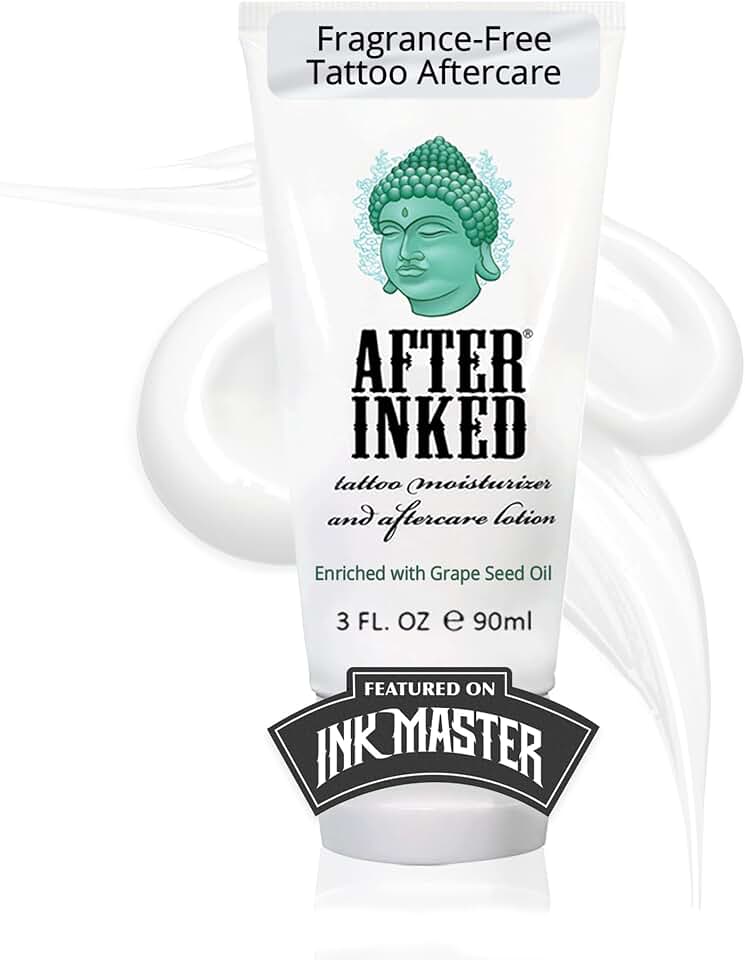
Moisturizes and nourishes inked skin · Formulated with grape seed oil for hydration · Gentle enough for daily tattoo maintenance
This lotion is designed to keep tattooed skin hydrated and healthy, aiding in the healing process and enhancing the vibrancy of your ink.
As an Amazon Associate I earn from qualifying purchases. Prices may vary.
How to read an artist's portfolio
An artist’s portfolio is your window into their skill and style. Don’t just look at the finished tattoos; pay attention to the details. Consistent line work is a key indicator of a skilled artist. Are the lines clean, crisp, and even? Are there any wobbles or inconsistencies?
Examine the shading techniques. Does the artist use smooth gradients and subtle transitions? Or does the shading look patchy or uneven? Color saturation is also important. Are the colors vibrant and well-applied? Do they appear consistent across the tattoo?
Crucially, look for healed tattoo photos. These show how the tattoo looks after it has fully healed, giving you a more realistic representation of the artist’s work. Many artists will have photos of their work on clients after a few weeks or months.
Finding an artist who specializes in the style you want is vital. If you want a traditional tattoo, look for an artist with a strong portfolio of traditional work. If you want realism, find an artist who excels in that style. Don’t ask a watercolor artist to do a blackwork tattoo – you’re setting them up for failure.
Community Voices: Tattoo Experiences Shared
Real-world experiences can offer valuable insights. Here’s a snapshot of what people are saying online about their tattoo experiences:
A recent Reddit thread (r/tattoos, October 26, 2026) discussed the trade-offs between budget and premium shops. One user, u/InkLover88, wrote, “I went cheap once and regretted it. The lines were wonky, and the colors faded within a year. I learned my lesson – it’s worth paying for quality.”
On Twitter, @TattooFanatic shared, “Just got an amazing tattoo from a local artist. The consultation was thorough, the studio was spotless, and the artist took the time to understand my vision. #worthit #tattoo #quality” (November 12, 2026).
Another tweet from @BudgetInkDreams (November 8, 2026) offered a different perspective: “Got a small, simple tattoo at a budget shop and I’m happy with it! It wasn’t fancy, but it was clean and affordable. Sometimes you don’t need to spend a fortune.”
No comments yet. Be the first to share your thoughts!