
AI's growing role in tattooing
For decades, tattoo artists have embraced technology. From the electric tattoo machine itself – a massive leap forward from hand-tapped methods – to digital design software, tools have always shaped the art form. Now, a new wave is arriving: artificial intelligence. We're seeing AI move beyond simple photo editing and into the realm of actual design assistance, and it's changing how some artists approach their work.
Initially, there was a lot of skepticism. Many artists understandably viewed AI as a threat to their creative control and the deeply personal connection they have with their clients. The idea of an algorithm generating tattoo designs felt…wrong, to some. But that resistance is starting to shift as artists realize AI isn’t about replacement, but augmentation. It’s another tool in the box.
This isn't about fully automated tattoo machines. AI is assisting with the design phase—brainstorming ideas, refining sketches, and generating initial concepts from client requests. The human artist remains central to the process, making decisions about composition, line work, and aesthetic. The current reality is far from science fiction visions of robotic tattoo artists.
AI design tools artists use
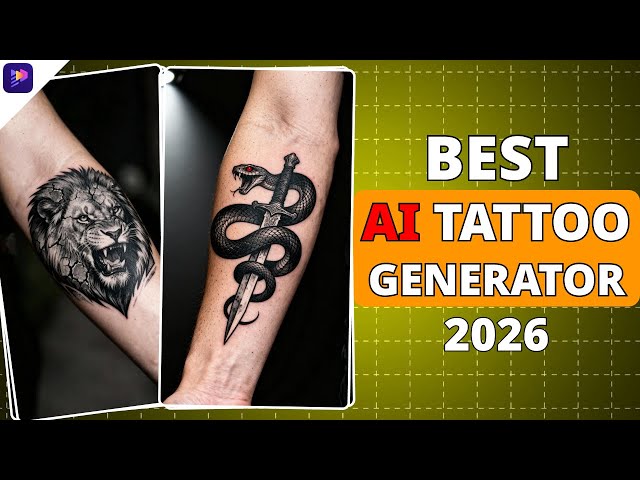
The range of AI tools available to tattoo artists is growing quickly. Several platforms are gaining traction by focusing on different aspects of the design process. Some specialize in style transfer, allowing artists to apply the aesthetic of one image to another – imagine taking the brushstrokes of Van Gogh and applying them to a floral tattoo design.
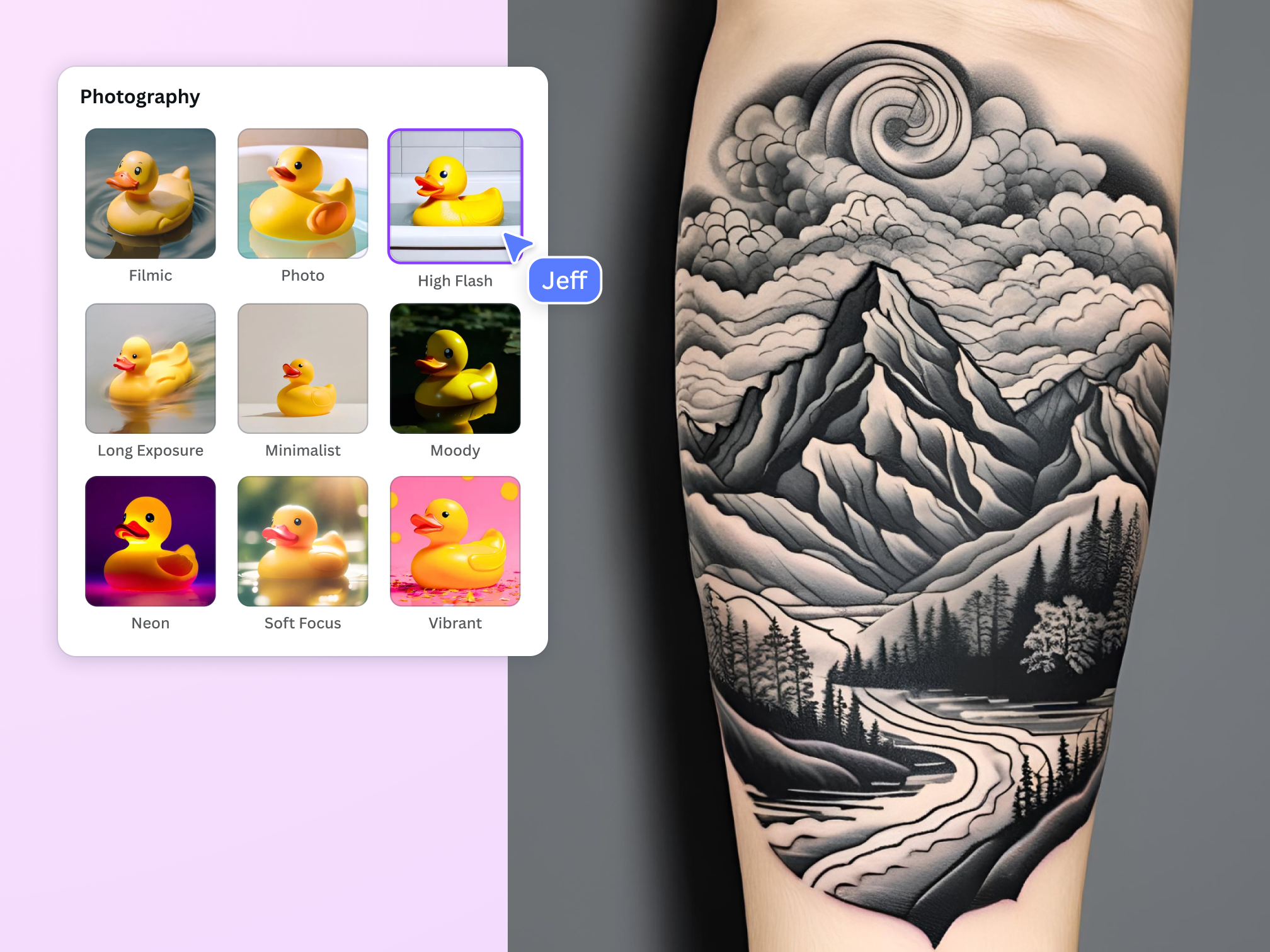
Other tools excel at generating entirely new designs from text prompts. You can input something like "geometric wolf head with a tribal influence’ and the AI will produce several variations. These aren"t always perfect, of course, but they can be incredibly useful for overcoming creative blocks or quickly exploring different ideas. Midjourney and DALL-E 2 are examples of AI image generators that artists are adapting for tattoo design, although they require significant refinement.
Beyond broad image generation, we're also seeing AI integrated into stencil creation software. These tools can analyze a design and optimize it for transfer to skin, ensuring clean lines and accurate placement. This is particularly helpful for complex designs or those with intricate details. A few companies are offering AI-powered tools that help with color palette selection, suggesting complementary colors and ensuring visual harmony.
The specifics of how these tools work—the underlying algorithms and SDKs—aren’t always transparent. Artists often focus on the output and usability, rather than technical details. The key is finding tools that integrate seamlessly into their existing workflow and enhance their creative process.
- Midjourney: Generates images from text prompts, often used for initial concept exploration.
- DALL-E 2: Similar to Midjourney, provides a wide range of image generation capabilities.
- Style transfer tools: Apply the aesthetic of one image to another, useful for unique design variations.
From idea to skin: The workflow
The typical workflow for an artist using AI still begins with a thorough client consultation. Understanding the client’s vision, preferences, and desired aesthetic is paramount. AI isn't a substitute for good communication. Once the artist has a clear understanding of the client's needs, they can start exploring design options, and this is where AI can be incredibly valuable.
The artist might use an AI image generator to create several initial concepts based on the client’s description. These concepts are then presented to the client for feedback. The artist then refines the chosen concept, using their own skills and expertise to adjust the composition, line work, and shading. This is a crucial step – the AI provides a starting point, but the artist brings the design to life.
AI can also assist with stencil creation. Once the design is finalized, the artist can use AI-powered software to optimize it for transfer to skin. This ensures that the stencil is accurate and easy to apply. AI is a tool to augment the artist’s skill, not replace it. The artist still needs to be proficient in traditional techniques to execute the tattoo effectively.
For complex designs or specific aesthetic requests – let’s say a client wants a hyperrealistic portrait with a specific lighting effect – AI can help the artist visualize and plan the tattoo before even touching the skin. This can save time and reduce the risk of errors.
AI and tattoo pricing
The impact of AI on tattoo pricing is still unfolding. It’s not a simple case of AI automatically lowering or raising costs. The pricing structure depends heavily on the artist, the complexity of the design, and the time involved. According to Tattooing101.com (2024), apprentice rates start around $50/hour, while experienced artists can charge $150-$200 or more.
Some artists are experimenting with charging a premium for AI-assisted designs, citing the added value of the technology. They might add a flat fee or increase their hourly rate slightly. However, others are maintaining their existing pricing structure, arguing that AI simply streamlines their workflow and allows them to take on more clients. Tommy’s Supplies reports that a fair rate for many artists in 2024 is around $200 an hour, but this is highly variable.
The time saved with AI can be a factor. If AI significantly reduces the design time, the artist might be willing to offer a slightly lower price. However, the refinement process – taking the AI-generated concept and turning it into a polished, tattoo-ready design – still requires significant time and skill. Clients are often willing to pay extra for the novelty and efficiency of AI, particularly if it allows for more complex or customized designs.
Ultimately, transparency is key. Artists should clearly communicate to their clients how AI is being used in the design process and how it affects the final cost.
Tattoo Pricing Factors & Cost Impact - 2026 Estimates
| Pricing Factor | Cost Impact | Typical Influence | AI Assistance Impact |
|---|---|---|---|
| Design Complexity | Low to High | Simple designs (flash, basic shapes) generally cost less. Highly detailed or custom artwork increases price. | May reduce time for initial sketch, potentially lowering cost for simple adjustments, but complex AI-generated designs requiring artist refinement can increase it. |
| Artist Experience | Low to High | Apprentice artists typically charge less than established artists with years of experience and a strong portfolio. | AI tools may level the playing field, but experienced artists are still needed for execution and safety, maintaining a cost premium. |
| Size of Tattoo | Low to High | Price generally increases with the size of the tattoo, measured in square inches or hourly rate. | AI-assisted design may slightly reduce layout time, but does not impact the physical time required for tattooing, so size remains a major cost driver. |
| Color vs. Black & Grey | Low to Medium | Color tattoos typically cost more due to the expense of inks and the increased time required for application. | AI can assist in color palette selection, but does not impact the cost of materials or application time. |
| Level of Customization | Medium to High | Fully custom designs take significantly longer and require more artist input, increasing the price. | AI can accelerate the initial design phase, potentially reducing the 'design time' portion of the cost, but significant customization still requires artist work. |
| Location on Body | Low to Medium | Areas difficult to tattoo (ribs, feet, inner arms) may incur a higher hourly rate due to the increased challenge. | AI design tools do not impact the difficulty of tattooing specific body locations. |
| AI Assistance (Design Phase) | Low to Medium | Use of AI tools to generate initial concepts or refine designs. Impact on overall cost is still evolving. | Potential to lower initial design costs, but artist time for refinement and stencil creation remains a factor. |
Illustrative comparison based on the article research brief. Verify current pricing, limits, and product details in the official docs before relying on it.
Artist perspectives: Concerns and benefits
The tattoo community is having a lot of conversations about AI. One major concern is originality. Artists worry that AI-generated designs might lack the unique artistic flair that sets a great tattoo apart. There’s a fear that relying too heavily on AI could lead to a homogenization of styles. Maintaining artistic integrity is a significant point of discussion.
Another concern is job displacement. Some artists worry that AI could eventually automate the design process, reducing the need for human artists. However, most believe that AI will primarily serve as a tool to assist artists, rather than replace them entirely. The human element – the artistic vision, the technical skill, the client interaction – remains irreplaceable.
On the benefits side, artists are excited about the potential for increased efficiency. AI can help them generate ideas more quickly, explore different design options, and streamline their workflow. This allows them to focus on the aspects of tattooing that they enjoy most – the artistry and the client connection.
I’ve spoken with several artists who find AI particularly useful for overcoming creative blocks. When they’re feeling stuck, AI can provide a fresh perspective and spark new ideas. One artist told me, "It’s like having a brainstorming partner who never runs out of suggestions."
The future of AI and tattooing
Predicting the future is always tricky, but it's likely that AI will become even more deeply integrated into the tattoo design process. We might see AI tools that can automatically generate stencils based on client photos or create hyperrealistic designs with minimal human intervention. The line between human-created and AI-generated designs could become increasingly blurred.
However, it's important to remember that artistry is about more than just technical skill. It's about emotion, expression, and connection. While AI can assist with the technical aspects of design, it can't replicate the human touch. The most successful artists will be those who can effectively leverage AI as a tool to enhance their own creativity.
Ethical considerations will also become increasingly important. Issues such as copyright, originality, and the potential for misuse will need to be addressed. Maintaining artistic integrity and protecting the rights of artists will be crucial. As AI continues to evolve, it will be essential to have open and honest conversations about its impact on the tattoo industry.
I'm not sure we'll see AI completely replace artists anytime soon. The demand for unique, personalized tattoos created by skilled human artists will likely remain strong. But AI will undoubtedly continue to shape the future of tattooing, offering new possibilities and challenges for artists and clients alike.
No comments yet. Be the first to share your thoughts!