
First Tattoo? Don't Rush
Getting your first tattoo is a big decision. It’s permanent, and feeling overwhelmed is normal. Many people feel anxious before their first tattoo. Taking your time with the process is important.
Many people rush into getting inked and later regret their choice. Walking into the nearest shop and picking something off the wall is tempting, but you’ll be happier if you put in the effort to find the right artist and design. This guide helps you navigate the process, from understanding tattoo styles to knowing what questions to ask during a consultation.
This guide covers how to find local tattoo shops, interpret tattoo reviews, and what to look for in an artist’s portfolio. It also covers the financial side of things and red flags to watch out for. The goal is to help you make an informed decision and get a tattoo you’ll love for years to come. This is your first step towards a piece of art you'll carry with you.
This guide focuses on finding the best artist for you and your vision, not the cheapest tattoo. It’s about understanding the permanence of the commitment and partnering with a professional who prioritizes safety and quality. Take a deep breath.
Decoding Tattoo Styles
There are many tattoo styles, and knowing where to begin can be hard. Each style has its own aesthetic and history; the right one for you depends on your personal taste. Here are some popular options.
Traditional, also known as Old School, has bold outlines, limited color palettes, and classic imagery like roses, anchors, and swallows. It's a timeless and rugged style. People drawn to Traditional tattoos often appreciate classic Americana and nostalgia. You can browse examples of Traditional work on TattooRate and find artists specializing in this style.
Neo-Traditional builds on Traditional tattooing but incorporates more detail, a wider range of colors, and illustrative elements. It's more refined and modern, while retaining the boldness of its predecessor. Examples include detailed floral arrangements or portraits with a vintage feel. Artists like Megan Massacre, frequently featured on tattoo-focused shows, exemplify this style.
Realism aims to replicate photographs or real-life images accurately. This style requires skill and attention to detail. It’s a popular choice for portraits, landscapes, and wildlife. Realism tattoos can fade or blur over time, so finding an experienced artist is important. Check out artists on TattooRate who specialize in hyperrealism.
Watercolor tattoos mimic the look of watercolor paintings, with soft washes of color and blurred edges. They’re often delicate and ethereal. This style is beautiful, but it can be challenging to execute well and may require more frequent touch-ups. It's a style that often appeals to those who appreciate a more artistic and free-flowing aesthetic.
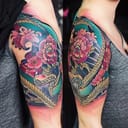
Japanese tattooing, or Irezumi, is a deeply traditional art form with a rich history. It often features large-scale designs covering the back, sleeves, or legs, incorporating imagery like dragons, koi fish, and flowers. It's a style that requires a significant commitment and a skilled artist with a deep understanding of Japanese mythology and symbolism.
Blackwork relies solely on black ink to create striking designs, often using geometric patterns, tribal motifs, or illustrative elements. It's a versatile style that can range from minimalist to highly complex. It's become increasingly popular in recent years due to its bold and graphic aesthetic.
- Traditional: Bold outlines, classic imagery, limited color palettes.
- Neo-Traditional: More detail than traditional, wider color range, illustrative.
- Realism: Accurate replication of images, high skill required.
- Watercolor: Soft washes of color, blurred edges, delicate.
- Japanese (Irezumi): Large-scale designs, dragons, koi fish, mythology.
- Blackwork: Solely black ink, geometric patterns, tribal motifs.
Popular Tattoo Styles
- Traditional American - Bold outlines, limited color palettes, and classic imagery like roses, eagles, and pin-up girls. Often features heavy blackwork.
- Japanese (Irezumi) - Characterized by large-scale designs, often incorporating mythological creatures, flowers (like cherry blossoms), and waves. Known for its intricate detail and symbolic meaning.
- Realism - Aims to replicate photographs or real-life subjects with incredible detail and shading, creating a three-dimensional effect on the skin.
- Watercolor - Mimics the look of watercolor paintings, with soft edges, blended colors, and a fluid, artistic aesthetic. Often lacks strong outlines.
- Blackwork - Uses exclusively black ink to create striking designs, often geometric or tribal in nature. Can range from delicate linework to bold, solid areas.
- Neo-Traditional - A modern take on traditional American tattooing, featuring bolder lines, a wider color palette, and more illustrative details.
- Geometric - Relies on precise shapes, lines, and patterns to create visually interesting and often symmetrical designs. Can be combined with other styles.
Finding Artists Near You
This is where TattooRate becomes your best friend. Our tattoo directory makes it easy to find local tattoo shops and tattoo artists in your area. Start by entering your location – city, state, or zip code – into the search bar. Then, you can start refining your search using our filters.
The filters allow you to narrow down your options by style, price range, and artist ratings. If you already know you want a Neo-Traditional tattoo, for example, you can select that style to only see artists who specialize in it. You can also set a price range to ensure you’re only viewing artists within your budget. Don’t underestimate the power of the filters!
But don’t stop at the star rating. While a high rating is a good sign, it’s crucial to actually read the tattoo reviews. Pay attention to what other clients have to say about the artist’s skill, professionalism, and overall experience. Look for specific details – did they mention the artist’s attention to detail? Were they happy with the aftercare instructions?
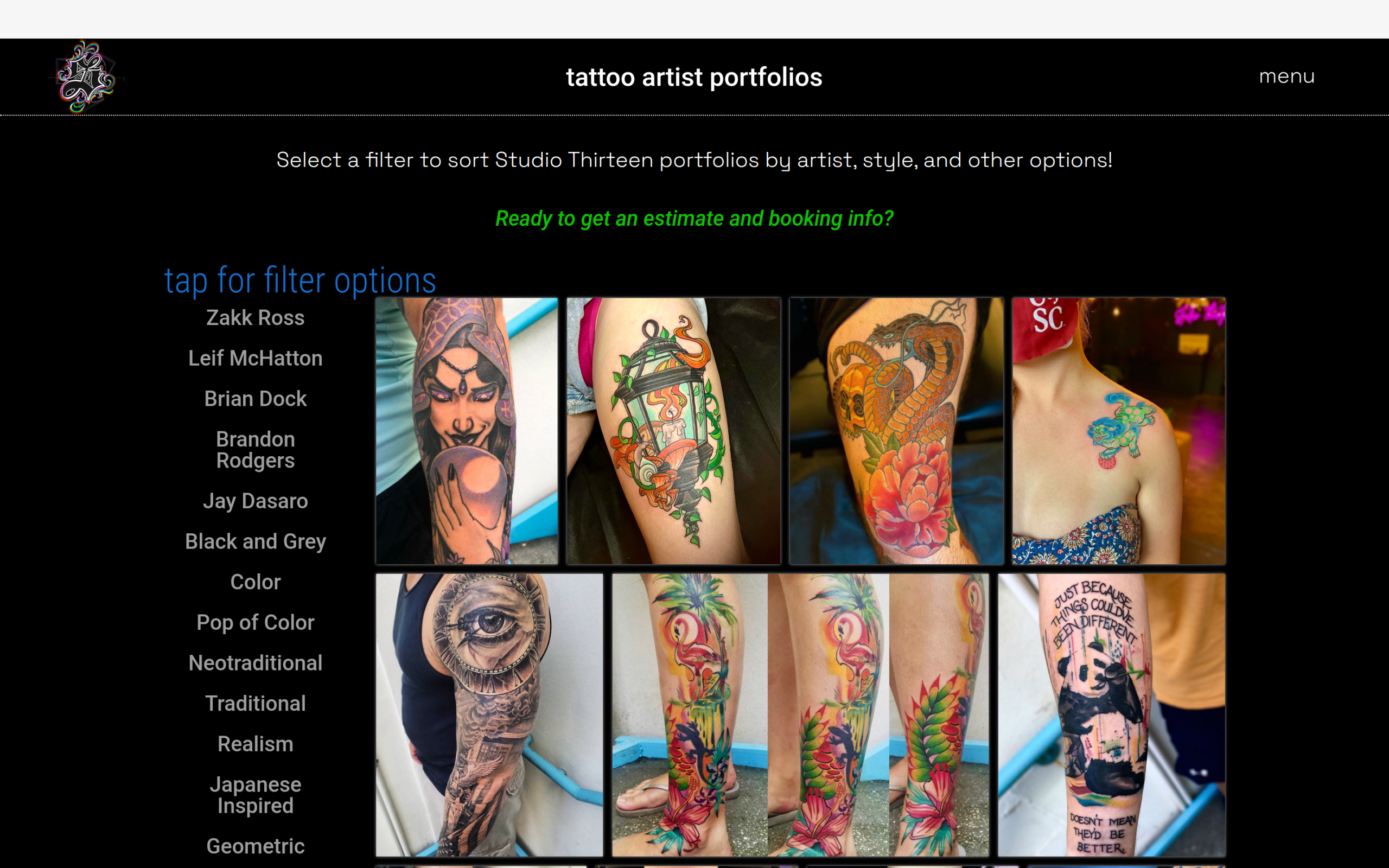
Once you've narrowed down your search, take the time to browse the artists’ portfolios. Most artists on TattooRate have extensive galleries of their work, allowing you to get a feel for their style and skill level. This is your chance to see if their aesthetic aligns with your vision. Remember, finding the right artist is about more than just technical skill – it’s about finding someone whose work you genuinely admire.
- Enter your location into the TattooRate search bar.
- Use filters to refine your search by style, price, and rating.
- Read tattoo reviews for detailed feedback from previous clients.
- Browse artist portfolios to assess their style and skill.
Portfolio Deep Dives
You’ve got a shortlist of artists – now it’s time to really dig into their portfolios. Don’t just look at one or two eye-catching pieces. Scroll through everything. You're looking for consistency. An artist might have one stunning tattoo, but if the rest of their work is subpar, that’s a red flag.
Pay close attention to the line work. Are the lines clean and crisp, or shaky and uneven? Look at the shading techniques. Is the shading smooth and blended, or patchy and harsh? And if the tattoo includes color, assess the color saturation and vibrancy. Are the colors bold and true, or faded and muddy?
Ideally, you want to find artists who have photos of healed tattoos in their portfolio. This will give you a realistic idea of how their work will look over time. Fresh tattoos always look their best, but a healed tattoo is a true testament to an artist’s skill. This is sometimes hard to find, but it's a great indicator of long-term quality.
Also, consider how well the artist adapts their style. Do they seem willing to collaborate on custom designs, or do they only produce work that fits their pre-defined aesthetic? A good artist will be open to your ideas and able to translate your vision into a beautiful and unique tattoo. Don’t hesitate to reach out and ask about custom work – a responsive artist is a good sign.
- Assess consistency of line work.
- Evaluate shading techniques.
- Check color saturation and vibrancy.
- Look for healed tattoo photos.
- Consider the artist’s willingness to collaborate.
Consultations: Asking the Right Questions
Once you’ve chosen a few artists, schedule consultations. This is your opportunity to meet them in person, discuss your ideas, and get a feel for their personality. A consultation isn't just about the artist showing you their work; it’s a two-way conversation.
Come prepared with a list of questions. Start with the basics: How much experience do they have with the style I want? What are their sterilization procedures? What aftercare instructions do they provide? What’s their deposit policy? What’s the estimated healing time? Don’t be afraid to ask anything that’s on your mind.
Pay attention to how the artist responds. Are they patient and informative, or dismissive and rushed? Do they seem genuinely interested in your ideas, or are they trying to push you towards a design you’re not comfortable with? You want someone who listens to your concerns and makes you feel comfortable and confident.
Be honest about your expectations and budget. Don't be afraid to say if something is too expensive or if you're not sure about a particular design element. A good artist will work with you to create a tattoo that fits your needs and your budget. It’s also a good time to discuss any potential challenges or limitations of your design.
Red flags include unwillingness to discuss sterilization, pressure to choose a design you don’t love, or a general lack of professionalism. Trust your gut. If something feels off, it probably is. It’s okay to walk away and find another artist.
- How much experience do you have with this style?
- What are your sterilization procedures?
- What aftercare instructions do you provide?
- What’s your deposit policy?
- What’s the estimated healing time?
Budgeting for Your Ink
Let's talk money. Tattoo pricing can vary widely depending on several factors: size, detail, color, artist experience, and location. According to tattooing101.com, pricing often reflects an hourly rate plus the cost of materials. Expect to pay more for intricate designs, larger pieces, and artists with a strong reputation.
As of late 2024, an average hourly rate for a skilled tattoo artist can range from $150 to $300, but this can be higher in major cities or for highly sought-after artists. A small, simple tattoo might cost around $50-$100, while a full sleeve could easily run into the thousands. It’s important to get a quote from the artist before you commit.
Don’t forget to factor in a tip! Tipping is customary in the tattoo industry, typically ranging from 15% to 20% of the total cost. And remember, cheaper isn’t always better. Prioritizing quality and hygiene is essential. A poorly done tattoo can lead to infections or require expensive laser removal later on.
Most artists require a deposit to secure your appointment, which is typically applied towards the final cost of the tattoo. Be sure to clarify the deposit policy and accepted payment methods during your consultation. Be prepared to pay in cash, as some shops may not accept credit cards.
Essential Tattoo Aftercare Products for Your First Ink

Natural olive oil and beeswax formula · Supports vibrant color and hydrates fresh ink · Moisturizing and lightweight with a mild scent
This travel-sized balm is a natural, petroleum-free option that effectively hydrates and helps maintain the vibrancy of fresh ink.

100% vegan and petroleum-free formula · Heals and protects new tattoos · Rejuvenates older tattoos
Hustle Butter offers a vegan, petroleum-free balm that aids in the healing of new tattoos and revitalizes existing ones.

Breathable and waterproof barrier · Promotes optimal healing environment · Protects against bacteria and external contaminants
Saniderm provides a breathable, waterproof bandage that creates an ideal environment for tattoo healing while protecting against contaminants.

Prebiotic formula for skin health · Gentle cleansing for new tattoos and piercings · Made in the USA
This foam soap uses a prebiotic formula to gently cleanse and support skin health during the tattoo and piercing healing process.

Broad spectrum UVA/UVB protection · Helps prevent tattoo fading · Non-greasy and fragrance-free
Protect your investment with this non-greasy, fragrance-free sunscreen that offers broad-spectrum SPF 30 protection to prevent tattoo fading.
As an Amazon Associate I earn from qualifying purchases. Prices may vary.
Red Flags & Trusting Your Gut
Protecting yourself is paramount. Be wary of unsanitary conditions – the shop should be clean and well-maintained, and the artist should use sterile, single-use needles. Verify that the artist and shop have the proper licenses and permits required by your local health department. A legitimate shop will readily display these.
Watch out for pushy sales tactics or an artist who tries to rush you into a decision. A good artist will respect your boundaries and give you time to think things through. Negative online reviews are also a red flag, but take them with a grain of salt – look for patterns and consistent complaints.
Ultimately, trust your gut. If something feels off, don’t ignore it. If the shop looks dirty, the artist seems unprofessional, or you simply don’t feel comfortable, walk away. There are plenty of other talented artists out there.
If you do have a bad experience – perhaps you suspect unsanitary practices or receive a tattoo that is significantly different from what you discussed – report it to your local health department. You may also have legal recourse, so consult with an attorney if necessary. Your health and safety are the most important things.
No comments yet. Be the first to share your thoughts!