
The rise of neo-traditional ink
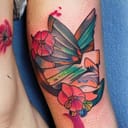
Neo-traditional tattoo designs have moved from niche preference to the dominant visual trend for 2026. This style merges the rigid rules of American traditional tattoos with the fluidity of contemporary art. By keeping the bold, black outlines that define classic Americana, neo-traditionalism allows for a much wider palette of colors and more complex, organic compositions. It is a style that feels both familiar and fresh, offering a perfect balance for those seeking longevity without sacrificing modern aesthetics.
The visual language of this trend relies on saturated, rich colors that pop against the skin. Unlike minimalist or fine-line styles that may fade or blur over time, neo-traditional tattoos use heavy shading and solid color packing to ensure the design remains readable for decades. This durability is a primary reason why tattoo artists and tattoo parlors are increasingly recommending neo-traditional work to clients. It is an investment in a piece that will age gracefully, retaining its impact as the skin changes.
For those choosing an ink destination, the neo-traditional style offers remarkable versatility. It works equally well for small, delicate pieces like floral accents and large, detailed back pieces featuring animals or mythological figures. The style’s adaptability means it can be customized to fit any body part while maintaining its core identity. Whether you are a first-time inker or a collector with a full sleeve, neo-traditional designs provide a robust framework for personal expression.
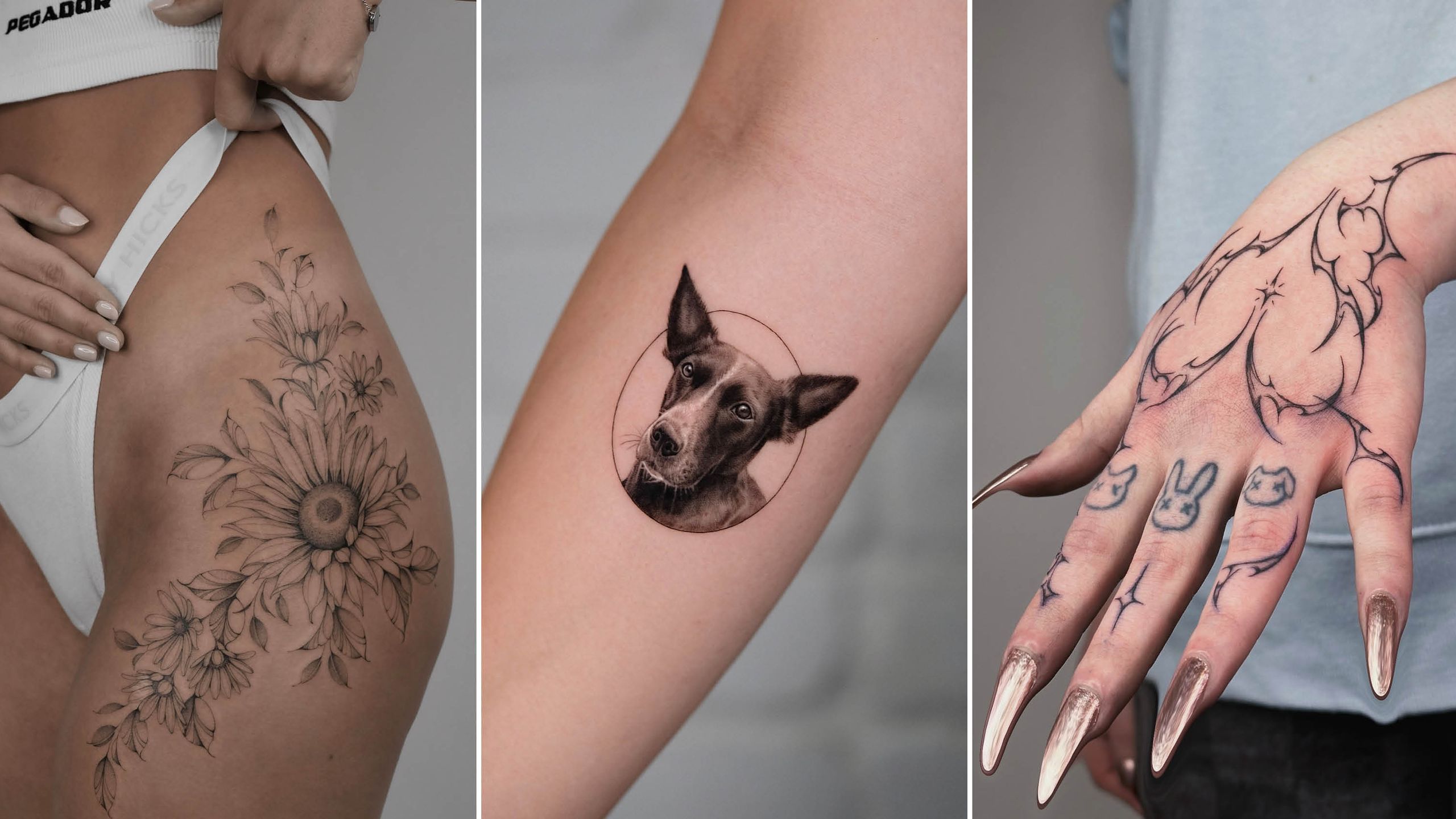
The trend is not just about aesthetics; it is about the craft. Skilled artists use neo-traditional techniques to create depth and texture that flat styles often lack. This attention to detail ensures that each piece stands out as a work of art rather than just a temporary decoration. As we move further into 2026, expect to see this style continue to evolve, incorporating new color theories and compositional techniques while staying true to its roots.
AI-assisted custom artwork
Tattoo artists are increasingly integrating AI tools into their workflow to generate unique, personalized tattoo designs that bridge the gap between digital art and skin. This technology allows artists to rapidly iterate on concepts, blending traditional sketching with algorithmic generation to create styles that would be difficult to conceive manually.
The process typically begins with a consultation where the client describes their vision. Artists then use generative AI models to produce multiple variations, refining lines, shading, and composition in real-time. This collaborative approach ensures the final design aligns perfectly with the client's aesthetic while maintaining the artistic integrity expected at a reputable ink destination.
:max_bytes(150000):strip_icc()/abstracttat_recirc-48972b9d18d24889bf93ece9eee9396d.jpg)
While some purists argue that AI diminishes the human touch, most tattoo parlors view it as a powerful assistant rather than a replacement. The artist’s eye remains essential for adapting designs to body contours, ensuring proper flow, and maintaining skin safety. The result is a hybrid workflow where technology accelerates creativity, but human expertise dictates the final outcome.
Minimalist and fine-line styles
While bold neo-traditional and AI-generated aesthetics dominate the headlines, minimalist and fine-line tattoo designs remain a steady force in the ink destination market. These styles prioritize precision over volume, using single needles and delicate shading to create images that are subtle enough for professional environments yet distinct enough to serve as personal markers. The appeal lies in the restraint: a single continuous line or a small geometric shape can carry as much weight as a full sleeve, provided the execution is flawless.
The technical demand for this style is high. Because there is no heavy blackwork to hide imperfections, tattoo artists must have exceptional control over needle depth and ink saturation. A slight wobble or inconsistent pressure is immediately visible, making the choice of a skilled specialist more critical than for traditional styles. Many tattoo parlors now categorize these artists separately, requiring clients to review portfolios specifically for clean lines and healed results rather than just initial impressions.
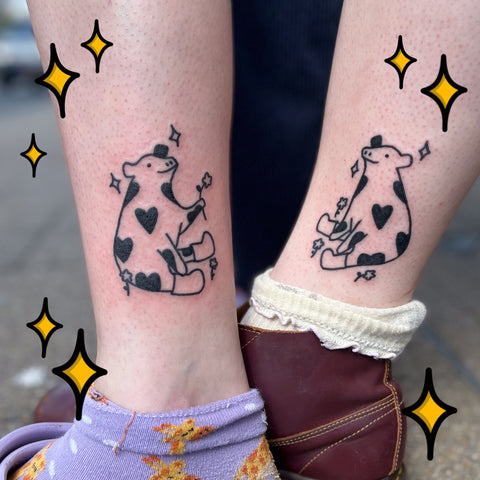
For those considering this route, the longevity of fine-line work depends heavily on skin type and placement. Areas with high friction or rapid cell turnover, such as hands or feet, may require more frequent touch-ups to maintain the crispness of the design. However, when placed on stable canvas like the inner arm or shoulder, these designs can remain sharp for decades. The trend reflects a broader shift in tattoo culture toward longevity and discretion, favoring designs that age gracefully rather than those that demand immediate attention.
Choosing the right artist and parlor
Selecting a tattoo artist is less about finding the cheapest option and more about finding the right specialist. Just as you wouldn’t hire a structural engineer to design a home, you shouldn’t hire a generalist for a style they don’t master. Neo-traditional work requires specific line weight control, while AI-inspired geometric designs demand mathematical precision that a traditional American tattoo artist may not possess.
Start by reviewing portfolios with a critical eye. Look for consistency in healed work, not just fresh ink. A skilled artist’s portfolio should demonstrate a clear specialization. If you want a delicate watercolor piece, an artist known for heavy blackwork might not be the best fit, even if their technical skill is high. Use platforms like Tattoodo to filter artists by style and location, ensuring their past work aligns with your desired aesthetic before booking a consultation.
Hygiene standards are non-negotiable. Visit the parlor in person if possible. The space should look clean, organized, and professional. Artists must use single-use needles and open sterilization packages in front of you. Reputable tattoo parlors adhere to strict health codes, and any hesitation from the artist or staff regarding these protocols is an immediate red flag. Your health is more important than the price of the ink.
Comparing Tattoo Parlor Standards
| Feature | High-Standard Parlor | Low-Standard Parlor |
|---|---|---|
| Hygiene | Open sterilization, single-use needles, visible health licenses | Reused equipment, opaque packaging, no visible licenses |
| Artist Specialization | Clear portfolio focus (e.g., neo-trad, geometric) | Generalist approach, inconsistent styles |
| Consultation | Detailed discussion, custom sketches, clear pricing | Rushed, vague estimates, pressure to book |
| Environment | Clean, professional, private consultation area | Cluttered, public consultation, distracting |
Price is often a reflection of skill and time. While it’s tempting to choose a lower-cost option, remember that a tattoo is permanent. A highly skilled artist charges for their expertise, precision, and the longevity of their work. Cheap tattoos often require expensive corrections or cover-ups later, making the initial savings a false economy. Invest in an artist whose work you trust to last a lifetime.
Where to find tattoo design inspiration
Finding the right tattoo designs often starts with observing what resonates in real time. While traditional tattoo parlors offer curated portfolios, digital platforms provide a broader view of current ink destinations and emerging styles. For immediate community sentiment, browsing r/TattooDesigns on Reddit allows you to see raw, unfiltered feedback on what artists and enthusiasts are prioritizing for 2026. This direct access to peer discussion helps you gauge which trends are gaining traction versus those that are fleeting.
For structured visual references, vector art repositories like Vecteezy offer extensive libraries of tattoo designs. These resources are particularly useful for understanding the geometric underpinnings of neo-traditional and minimalist styles before consulting a tattoo artist. You can download high-quality vectors to share with your artist, ensuring that your vision for scale, line weight, and composition is communicated clearly. This approach connects digital inspiration with professional execution, allowing you to curate a personalized look that aligns with current market trends.
No comments yet. Be the first to share your thoughts!