How to pick the right tattoo artist
Choosing a tattoo artist is less about finding the cheapest option and more about finding the right specialist for your specific vision. A tattoo is a permanent investment, so evaluating candidates based on portfolio style, hygiene standards, and reputation is essential before you commit to a chair.
Start by examining the artist’s portfolio for healed work, not just fresh ink. Fresh tattoos often look vibrant and sharp, but healed work reveals how the artist handles skin texture, ink saturation, and line retention over time. A skilled artist will have a consistent style across multiple healed pieces, whether you are interested in fine line, traditional, or realistic shading.
Hygiene is non-negotiable. Reputable studios like Lost Edge Tattoo Studio emphasize rigorous training and superior ink quality to ensure safety and longevity. Look for artists who use single-use needles, open ink caps in front of you, and maintain a sterile workspace. A clean studio is a sign of a professional who respects both their craft and their clients.
Finally, read real reviews and check verified artist directories. Platforms like TattoosWizard allow you to browse thousands of verified artists and compare portfolios side-by-side. This helps you gauge consistency and find an artist whose style aligns with your desired outcome, ensuring you get a tattoo you will be proud of for years to come.
Top tattoo artists for traditional styles
American Traditional and Neo-Traditional tattooing relies on bold, black outlines and a limited, saturated color palette. This style demands precision and confidence, as the ink must hold up over decades without blurring into indistinct shapes. Finding an artist who masters this specific discipline is essential for achieving that classic, timeless look.
Renowned Traditional Specialists
Artists specializing in this genre often train under strict apprenticeships, learning to maintain consistent line weight and vibrant saturation. Los Angeles, in particular, has become a hub for these masters, hosting artists who define the modern interpretation of the style. When searching for a tattoo artist, look for portfolios that showcase clean, solid black work and crisp color fills, rather than heavy shading or realistic detail.
The distinction between American Traditional and Neo-Traditional lies in the evolution of technique. While traditional styles stick to classic motifs like anchors, eagles, and swallows with flat coloring, Neo-Traditional artists incorporate more intricate details, varied textures, and sometimes broader color ranges while keeping the bold outline integrity. Choosing between the two depends on whether you prefer the stark simplicity of the old school or the added complexity of the new school.
Aftercare and Maintenance
To preserve the bold lines and vibrant colors of traditional tattoos, proper aftercare is non-negotiable. The initial healing phase requires keeping the area clean and moisturized to prevent scabbing, which can pull out ink. Long-term, using high-quality sunscreen is critical, as UV exposure is the primary cause of fading and blurring in bold line work.


As an Amazon Associate, we may earn from qualifying purchases.
Best artists for realism and portrait work
Photorealism demands a different skill set than illustrative styles. It requires the ability to capture subtle skin textures, precise likeness, and nuanced shading that mimics photography. Artists in this category often work from high-resolution reference photos, translating digital clarity into permanent ink.
When selecting a realism specialist, look for portfolios that show consistent detail in eyes, hair, and facial contours. The best artists avoid the "soft" look common in amateur work by using fine-line needles and meticulous layering techniques. This approach ensures the tattoo ages well and retains its photographic quality over time.
Realism portraits are often large-scale pieces, requiring significant time and precision. Artists like those found on Tattoodo or iNKPPL specialize in this niche, offering portfolios that demonstrate their ability to render depth and dimension. Before booking, review their healed work to ensure the shading remains crisp and the likeness holds up after the skin settles.
| Artist | Style | Location | Avg. Session Cost |
|---|---|---|---|
| Sarah Jenkins | Photorealism | Chicago, IL | $300+ |
| Mike Ross | Black & Grey Realism | Los Angeles, CA | $250+ |
| Elena Cruz | Color Realism | New York, NY | $350+ |
Fine line and minimalist tattoo shops
Fine line and single-needle tattoos demand a steady hand and a sharp eye. Unlike traditional bold styles, minimalist ink relies on clean, continuous lines and precise shading to create lasting images. This style requires artists who specialize in delicate work, as mistakes are harder to correct on thin lines. When choosing a shop for this aesthetic, look for portfolios that showcase crisp linework and consistent ink saturation.
Fine Ink Studios in Orlando, Florida, has built a reputation for this exact precision. Their artists specialize in custom minimalist designs, focusing on the technical skill required for single-needle techniques. The studio emphasizes clean lines and detailed shading, making them a strong choice for those seeking subtle, permanent art. Their approach ensures that even the smallest designs remain legible and vibrant as they age.
For those looking to maintain their fine line tattoos, proper aftercare is just as important as the artist's skill. Using high-quality tattoo aftercare products helps preserve the integrity of the delicate lines. Essential items include gentle, fragrance-free moisturizers and high-SPF sunscreens to prevent fading. Investing in the right care routine ensures your minimalist tattoo stays sharp for years.


As an Amazon Associate, we may earn from qualifying purchases.
What to ask before booking your tattoo
Booking a tattoo is a commitment to permanent body art, so the consultation is your best tool for vetting the artist and ensuring the final piece matches your vision. Treating this meeting like a job interview helps you filter out mismatched styles and unprofessional shops before you ever sit in the chair.
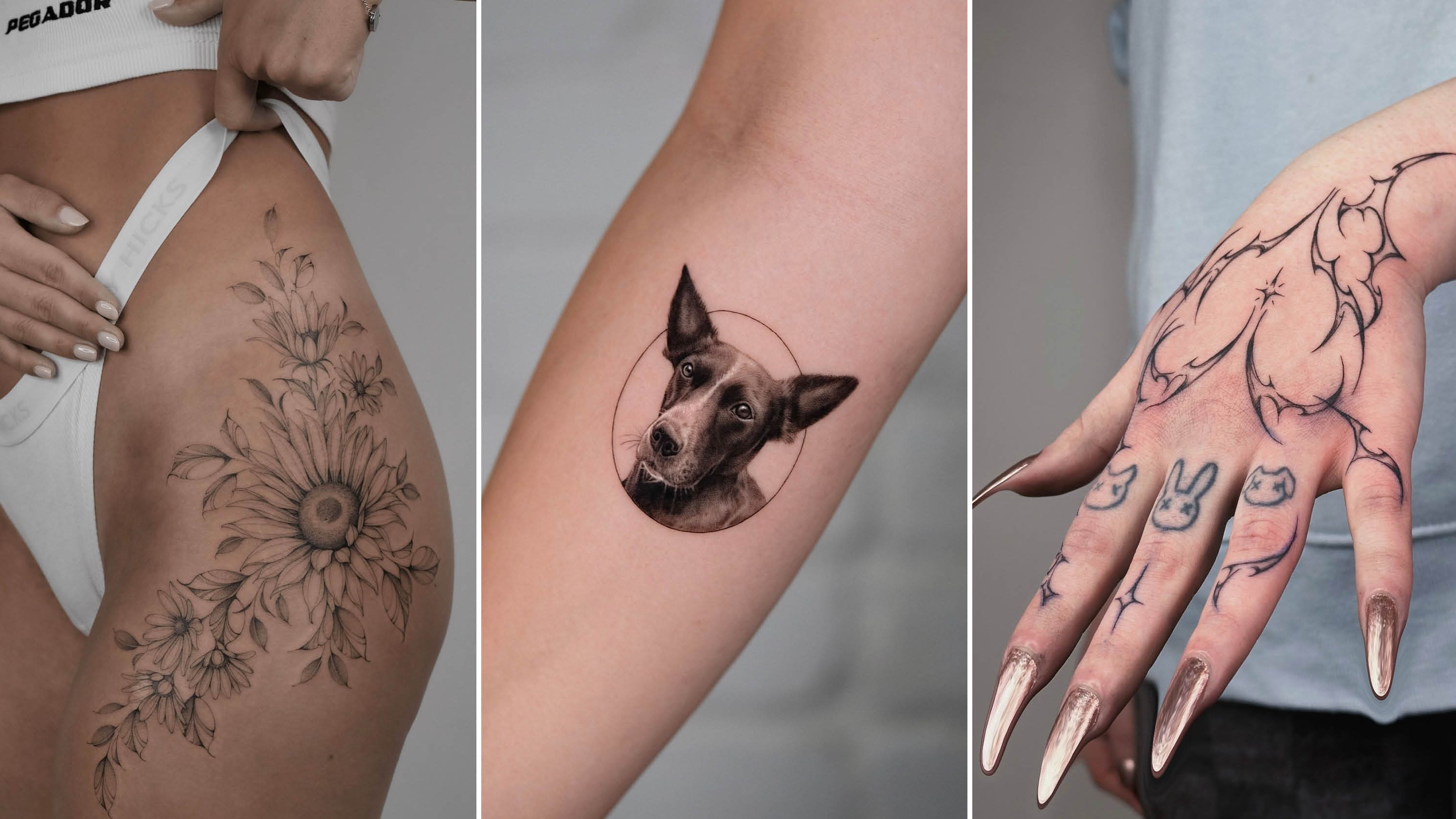
Don’t just ask if they can do your style; ask to see healed work in that specific style. A portfolio might show a single good blackwork piece, but you need to know if they consistently deliver clean lines and proper saturation across multiple clients. If they specialize in realism, look for smooth shading and anatomical accuracy in their healed shots, not just fresh ink.
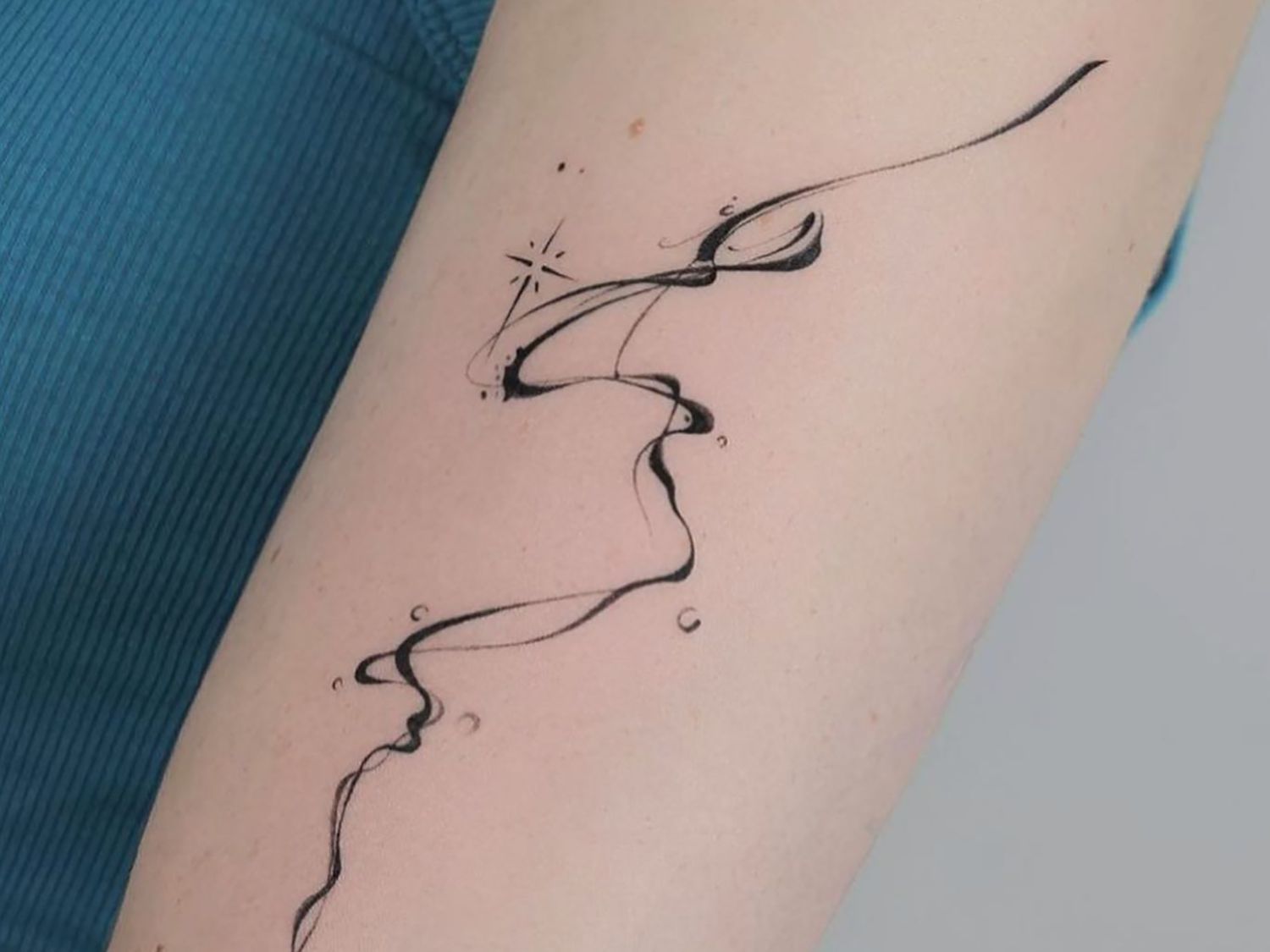
Ask for a clear price range or hourly rate before the appointment. Most reputable artists require a non-refundable deposit to secure your slot, which is standard industry practice to cover time reserved for your design. Be wary of artists who refuse to give any estimate; transparency here signals professionalism.
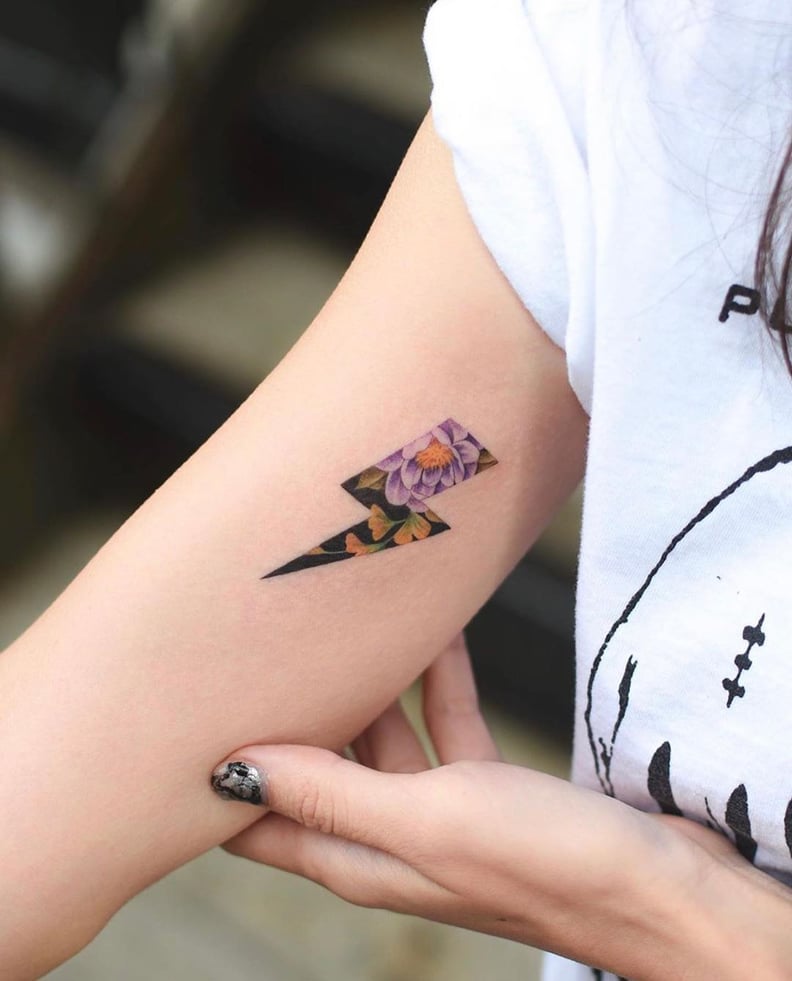
Confirm whether the design is custom or flash. If it’s custom, ask how many revision rounds are included in the price and who retains the rights to the final artwork. Most artists expect you to have a clear idea of placement and size, but minor adjustments to flow and composition are usually part of the collaborative process.
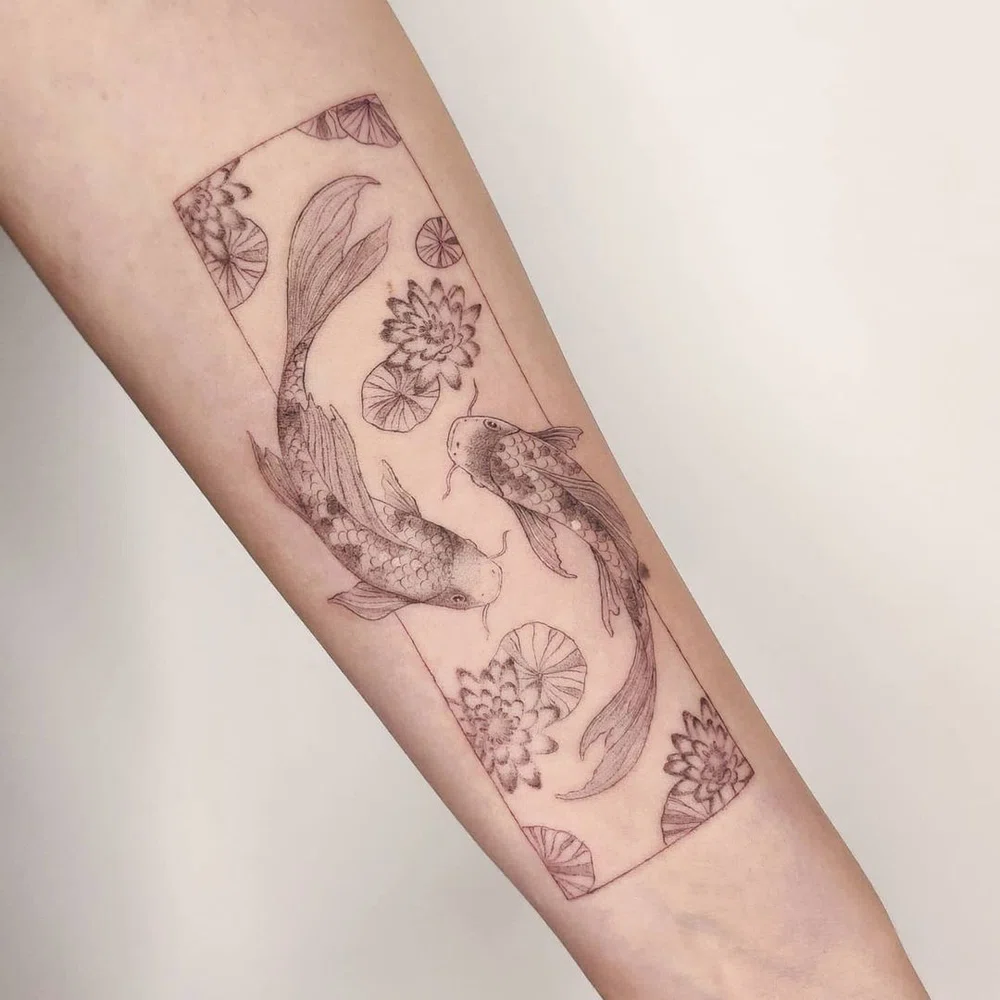
Every artist has a preferred aftercare routine. Ask if they recommend specific ointments or if they are okay with your existing regimen. Crucially, ask about their touch-up policy. A good artist will include one free touch-up session within 6-12 months to fix any fading or blowouts, ensuring your investment lasts.
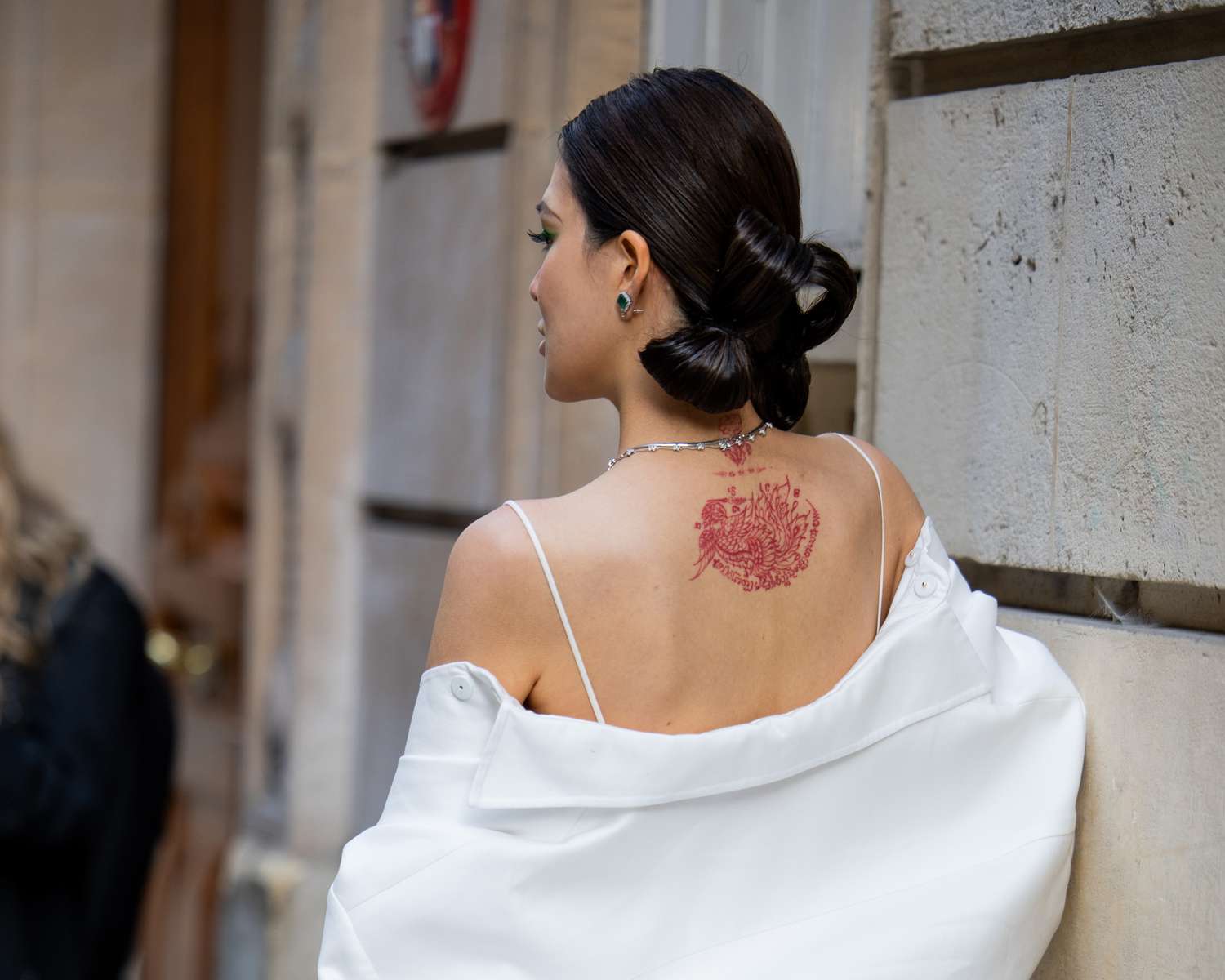
During the consultation, look for signs of a clean, professional environment. The artist should open sterile needles in front of you and use single-use ink caps. If the studio looks cluttered or the artist seems rushed, it’s a red flag. Trust your instincts; your health and the quality of the ink matter more than a quick booking.
Taking these steps ensures you find an artist whose skills, style, and professionalism align with your expectations. A smooth booking process sets the tone for a positive tattoo experience, resulting in a piece you’ll be proud to wear for years to come.
How tattoo artist costs and pricing models work
Tattoo pricing rarely follows a single standard. Most artists choose between an hourly rate and a flat fee for the entire piece. Understanding this distinction helps you estimate your budget before booking a consultation.
Hourly rates are common for custom designs, large back pieces, or work where the scope might change during the session. Rates typically range from $100 to $300 per hour, depending on the artist’s reputation and location. You pay for the time spent, so complex shading or realistic portraits often cost more than simple line work.
Flat rates are used for smaller, pre-drawn designs like tribal bands, floral motifs, or minimalist symbols. The artist quotes a single price based on the estimated time and complexity. This model offers cost certainty, as you know the total before the needle touches your skin.
What affects the final price?
Beyond the pricing model, several factors influence the final cost:
- Size and detail: Larger tattoos with intricate shading require more time and ink.
- Artist expertise: Established artists with waiting lists charge premium rates for their skill and portfolio.
- Shop location: Studios in major metropolitan areas often have higher overhead, reflected in their prices.
- Touch-ups: Most artists include one free touch-up session within 30-60 days. Additional sessions may incur a fee.
Is a higher price always better?
Not necessarily. While high prices often reflect experience, some artists charge more due to shop rent or marketing. Always review portfolios to ensure the style matches your vision. A moderately priced artist with a strong portfolio in your desired style may be a better choice than a famous artist who specializes in a different aesthetic.
No comments yet. Be the first to share your thoughts!