
2026 tattoo design trends
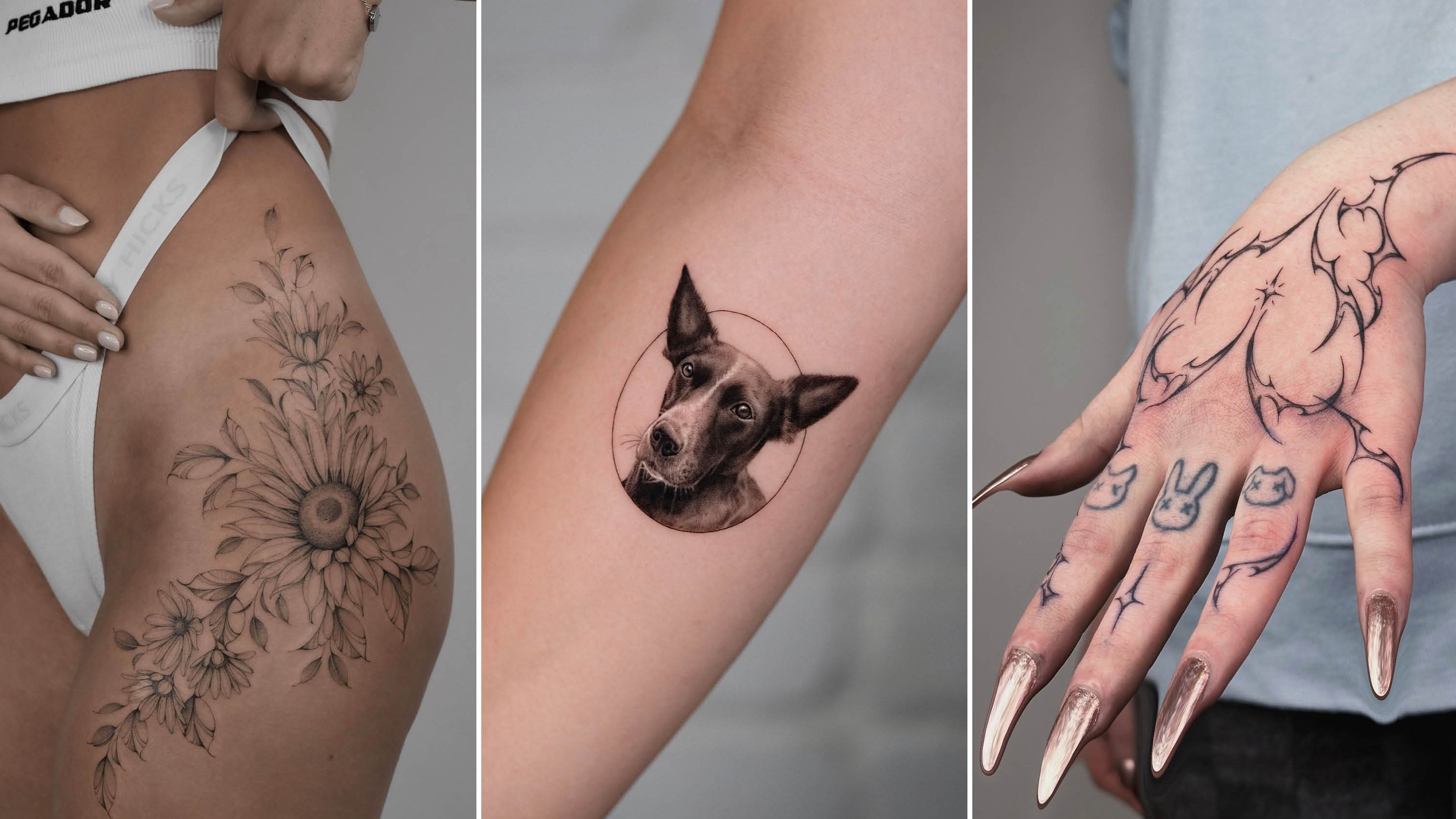
The landscape of body art in 2026 is defined by a move away from clutter toward intentionality. While traditional heavy shading still has its place, the dominant aesthetic leans toward clean lines, negative space, and geometric precision. This shift reflects a broader desire for tattoos that age gracefully and integrate seamlessly with natural skin texture rather than competing with it.
Minimalist line work remains the most accessible entry point for new collectors. These designs rely on single-needle precision, creating delicate outlines that sit lightly on the skin. The appeal lies in their subtlety; they offer personal meaning without visual noise. As skin naturally relaxes over decades, fine lines tend to hold their integrity better than dense blackwork, which can blur into indistinct shapes.
Neo-traditional styles are evolving with a lighter touch. The bold outlines and vibrant colors of classic American traditional tattoos are being refined with softer shading and more anatomical accuracy. This hybrid approach retains the graphic punch of the original style while adding a contemporary elegance. It bridges the gap between fleeting trends and permanent art, ensuring the design remains striking for years.
Geometric patterns continue to gain traction, particularly when combined with organic elements like flora or fauna. The contrast between rigid mathematical structures and fluid natural forms creates a dynamic visual tension. This style often uses dot work or stippling to create depth, offering a textured look that catches light differently depending on the angle. It is a sophisticated choice for those who appreciate symmetry and structure.
Community discussions on platforms like Reddit and Tattoodo highlight a growing interest in these specific aesthetics. Users frequently share examples of how minimalist and geometric designs hold up over time, reinforcing the preference for longevity. The data suggests that 2026 is a year for curated, meaningful designs rather than large-scale coverage.
Popular tattoo designs explained
Tattoo trends in 2026 continue to blend traditional symbolism with modern aesthetic minimalism. While specific motifs shift with cultural moments, certain styles have established themselves as staples for their versatility and lasting visual impact. Understanding these core designs helps you identify which aesthetic aligns with your personal style and body placement.
Minimalist and Fine Line
Minimalist tattoos have surged in popularity due to their clean, precise lines and subtle presence on the skin. This style relies on negative space and simple geometric shapes or single-line drawings to create impact without overwhelming the body. Fine line work requires a high level of technical skill from the artist, as there is little room for error in the ink placement. These designs age gracefully and are ideal for first-timers or those who prefer understated body art that can be easily concealed if necessary.
Traditional and Neo-Traditional
Traditional tattooing, often referred to as "Old School," features bold black outlines and a limited, vibrant color palette. Iconic imagery such as anchors, eagles, and roses defines this style, which has remained consistent for decades. Neo-traditional tattoos build on this foundation by incorporating more intricate details, shading, and a broader spectrum of colors. This evolution allows for more complex compositions while maintaining the strong, readable quality that makes traditional tattoos stand out even from a distance.
Japanese and Irezumi
Japanese tattooing, or Irezumi, is characterized by its narrative flow and specific symbolic imagery, including koi fish, dragons, and cherry blossoms. These designs are often intended to cover large areas of the body, such as the back or full sleeves, creating a cohesive visual story. The style demands respect for traditional placement rules and cultural context, making it a significant commitment for the wearer. The bold lines and rich colors ensure that these pieces remain striking and legible as they mature over time.
Watercolor and Abstract
Watercolor tattoos mimic the look of a painting, using splashes of color and soft gradients without heavy black outlines. This style allows for a wide range of artistic expression, from floral bursts to abstract shapes that flow with the body’s contours. Because they lack the structural support of traditional outlines, watercolor designs require careful consideration of skin tone and placement to ensure they remain vibrant and do not blur prematurely. This approach is best suited for those seeking a unique, artistic piece that stands apart from conventional tattoo styles.
How to choose a tattoo parlor
Selecting the right studio is the most critical step in the tattoo process. A parlor is not just a retail space; it is a medical-grade environment where sterile tools meet broken skin. The difference between a safe, clean experience and a hazardous one often comes down to hygiene standards, artist specialization, and consistent customer feedback. Treat this selection process like a job interview: you are hiring an artist to permanently alter your body, so due diligence is non-negotiable.
1. Verify hygiene and safety protocols
Look for a studio that operates with the rigor of a medical clinic. Reputable shops use single-use, pre-sterilized needles that are opened from sealed packages in front of you. All other equipment should be autoclaved (steam-sterilized). The artist must wear fresh, disposable gloves and change them frequently during the session. Ask to see their health department license, which is typically posted visibly in the shop. If the environment looks cluttered, dirty, or if the artist reuses ink caps or handles non-sterile items, leave immediately.
2. Review artist portfolios for style match
Tattooing is a specialized craft. An artist who excels at fine-line botanical work may not be the right choice for large-scale traditional sleeves. Browse the studio’s official website or Instagram for recent, high-resolution photos of healed work. Healed work is the true test of skill; it shows how the ink settled and how the skin held the lines. Do not rely solely on fresh, unhealed photos, which can look sharper than they will in six months. Ensure the artist’s portfolio aligns directly with the design you have in mind.
3. Check independent customer reviews
While the studio’s website will showcase their best work, independent platforms reveal their operational consistency. Check Google Reviews, Yelp, and specialized communities like r/TattooDesigns on Reddit. Look for patterns in the feedback. Are customers consistently praising the artist’s professionalism and the shop’s cleanliness? Or do multiple reviews mention rushed sessions, poor aftercare instructions, or hidden fees? A few negative reviews are normal, but a pattern of complaints about hygiene or attitude is a major red flag.
4. Schedule a consultation
Never book a tattoo without a brief consultation. This can be a quick in-person visit or a detailed email exchange. Use this time to discuss your design, placement, and sizing. A professional artist will provide honest feedback on whether your idea is technically feasible and how it will age. They should answer your questions clearly and make you feel comfortable. If the artist is dismissive, pressured, or unwilling to discuss safety protocols, choose a different studio.
5. Confirm pricing and deposit policies
Reputable artists charge by the hour or by the piece, with clear pricing structures. Most require a non-refundable deposit to secure your appointment, which is standard practice to compensate for reserved time. Avoid shops that offer suspiciously low prices; tattooing is skilled labor, and cheap ink or rushed work can lead to costly corrections or health risks. Ensure you understand the full cost before committing, including any touch-up policies.
Top Tattoo Supplies and Kits
Starting a tattoo collection or maintaining proper aftercare requires specific, sterile tools. The right supplies protect your skin and ensure the longevity of your ink. Below is a comparison of common starter kits and aftercare essentials to help you choose the right setup.
| Product | Type | Best For | Notes |
|---|---|---|---|
| Sterile Tattoo Starter Kit | All-in-One | Beginners | Includes grips, needles, and ink caps |
| Liquid Bandage Spray | Aftercare | Healing | Creates a breathable barrier |
| Green Soap Concentrate | Cleaning | Pre/Post Procedure | Must be diluted; industry standard |
| Nitrile Glove Box | Safety | Hygiene | Powder-free, latex-free essential |
When selecting a kit, prioritize items that are individually wrapped and sterile. Avoid kits that use shared containers or non-medical grade inks. Proper aftercare is just as critical as the equipment used during the session.


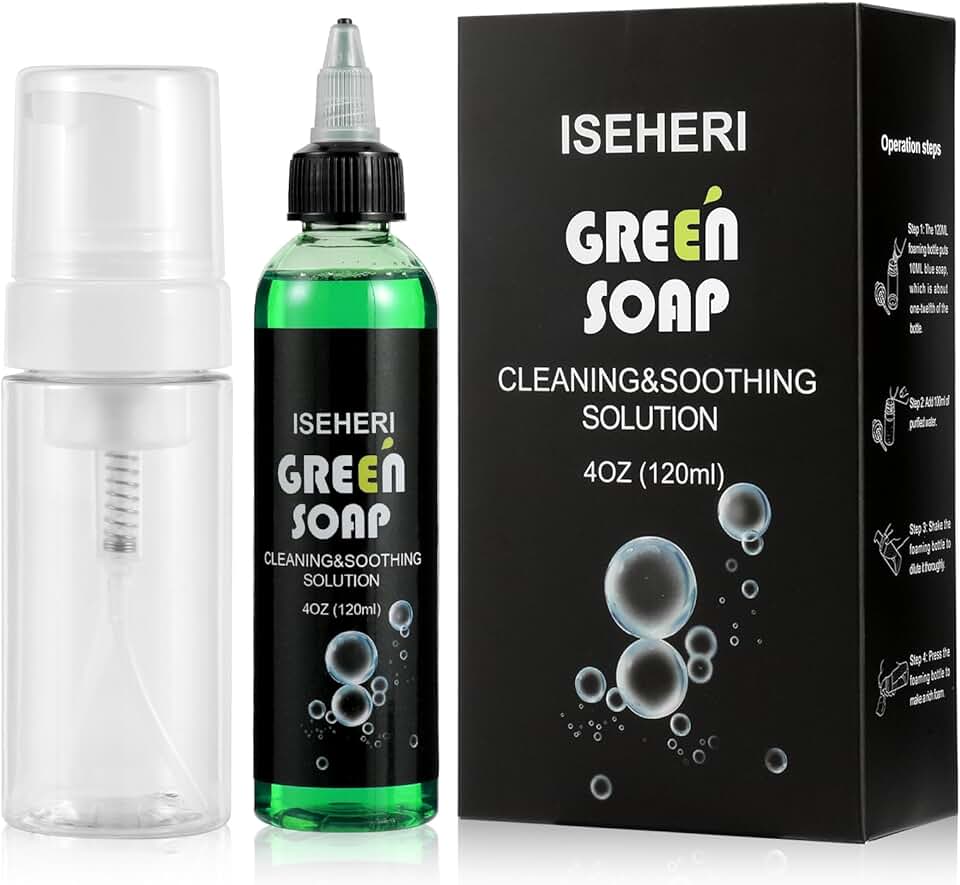
As an Amazon Associate, we may earn from qualifying purchases.
Frequently asked questions about tattoos
Understanding the cultural weight and popularity of specific designs helps narrow down your search for the right artist and style. Here are answers to common questions regarding tattoo meanings and trends.
No comments yet. Be the first to share your thoughts!