
Define your tattoo style first
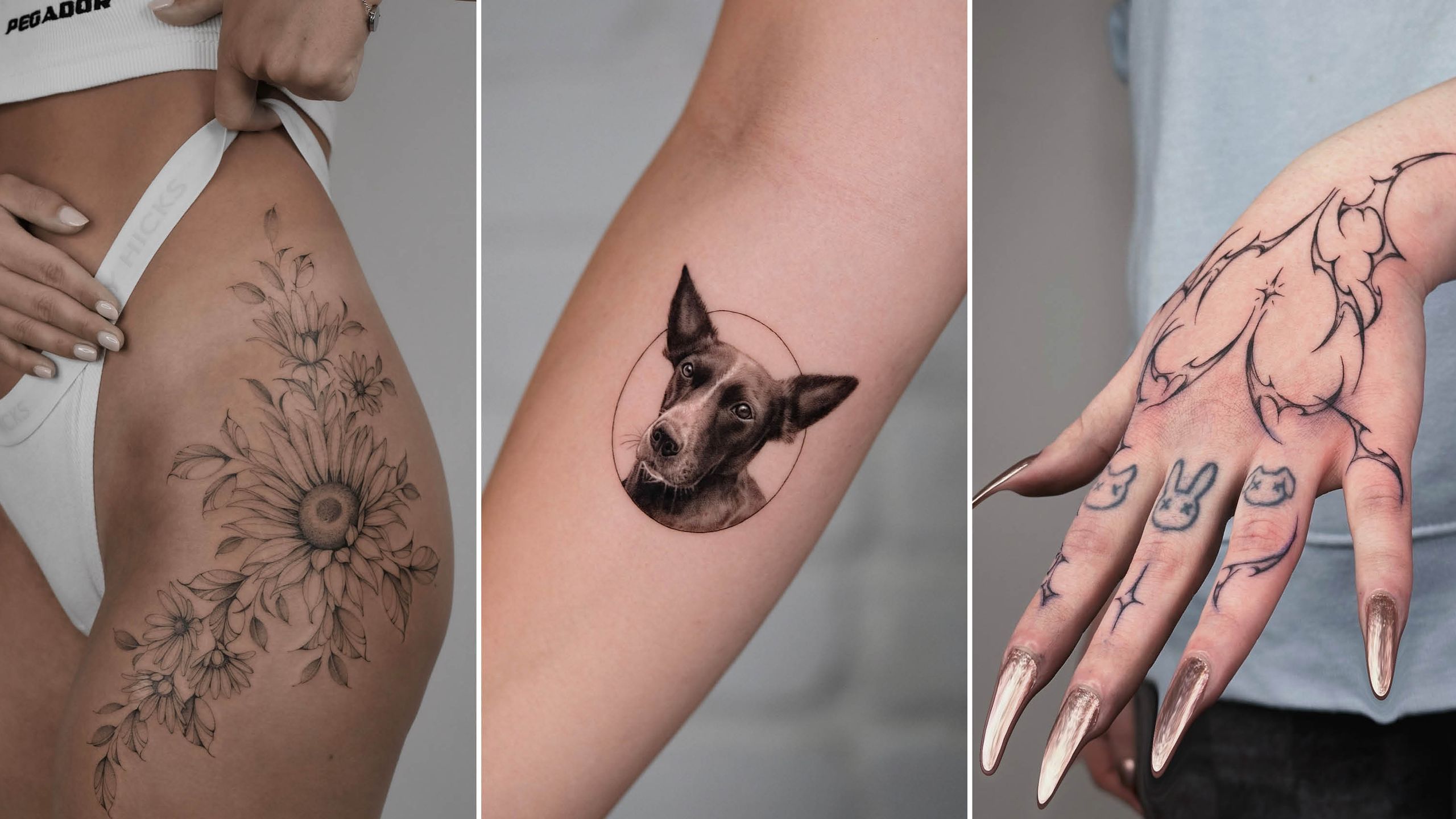
Before you start scrolling through portfolios, you need to pin down exactly what aesthetic you want. Tattooing is not a monolith; it is a collection of distinct technical traditions. A master of American Traditional might struggle with the hair-like strokes of realism, just as a fine-line specialist might find bold blackwork physically difficult to execute with the same depth. Being specific in your search—whether you want neo-traditional, dotwork, or watercolor—narrows your field from dozens of generalists to a handful of specialists.
Think of this process like hiring a contractor. You wouldn’t hire a kitchen remodeler to fix your plumbing, even if they are both skilled tradespeople. Similarly, you should look for artists whose strongest portfolio pieces match your desired style, not just their most recent work. Many artists rotate their specialties, so a recent tattoo might not reflect their core competency.
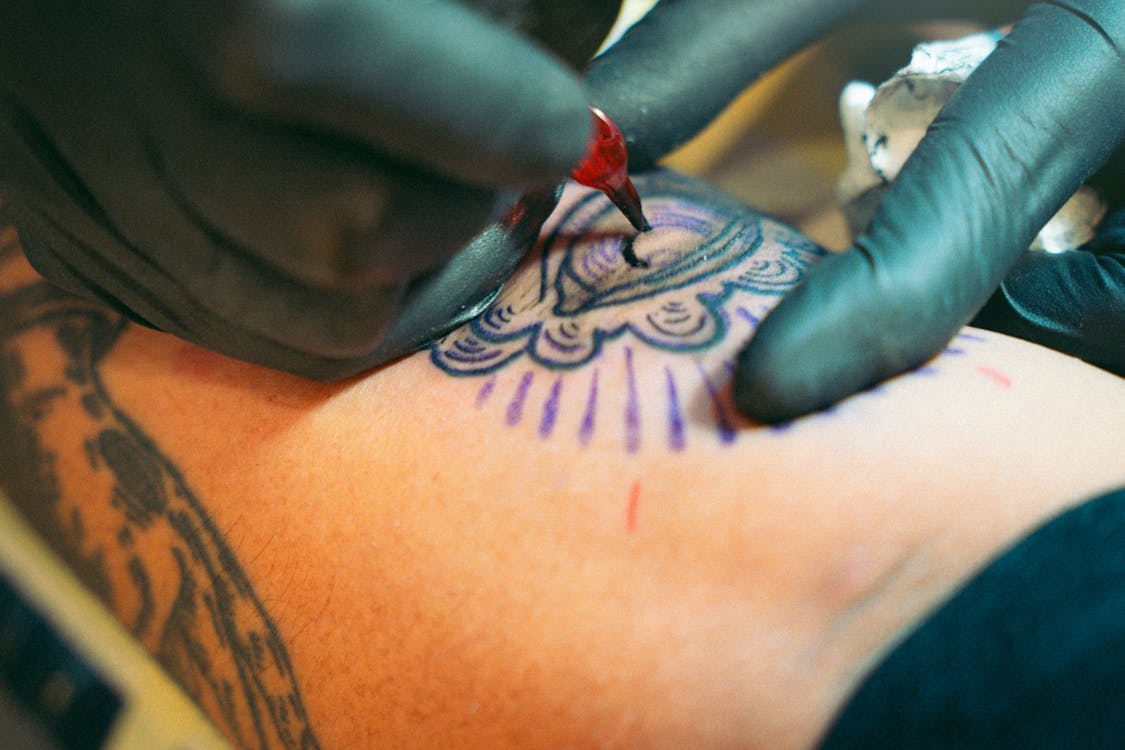
Once you have identified a style, look for consistency in the artist’s body of work. Do their lines stay sharp over time? Do their color packs look vibrant and even? This initial filter ensures that when you finally book a consultation, you are speaking with someone who already understands the technical requirements of your specific design.
Search local tattoo parlors and artists
Start by casting a wide net to build a list of potential studios. The goal here is quantity over quality; you will filter for safety and style in the next step. Use a mix of general review sites, tattoo-specific directories, and direct studio websites to ensure you aren't missing any local talent.
Use general review platforms
Platforms like Yelp are useful for finding highly rated shops in your immediate area. They provide a quick snapshot of customer sentiment, but be cautious with the reviews. Look for comments specifically mentioning hygiene, glove usage, and aftercare instructions rather than just artistic praise. A shop with hundreds of five-star reviews might be popular, but it could also be a high-volume factory that prioritizes speed over safety.
Check tattoo-specific directories
Directories like Tattoodo allow you to filter artists by specific styles, such as neo-traditional or fine line. This is more efficient than scrolling through general business listings because the artists have already curated their portfolios. You can see their best work directly, which helps you determine if their aesthetic aligns with your idea before you even contact them.
Visit studio websites directly
Never skip the studio's own website. This is where artists post their most recent work and where you can verify their booking process. Reputable studios will have clear information about their deposit policies, consultation requirements, and health standards. If a studio lacks a website or has a broken portfolio, treat it as a red flag.
Compare your options
Once you have a list of candidates, use a comparison table to evaluate them side-by-side. Focus on ease of communication, review authenticity, and the depth of their portfolio.
| Platform | Ease of Use | Review Authenticity | Portfolio Depth |
|---|---|---|---|
| Yelp | High | Medium | Low |
| Tattoodo | Medium | High | High |
| Studio Website | Low | High | High |
Read reviews for safety and hygiene
Find Local Tattoo Artists and Read Reviews works best as a clear sequence: define the constraint, compare the realistic options, test the tradeoff, and choose the path with the fewest hidden costs. That order keeps the advice usable instead of decorative. After each step, pause long enough to check whether the recommendation still fits the reader's actual situation. If it depends on perfect timing, unusual access, or a best-case budget, include a simpler fallback.
Check artist portfolios for consistency
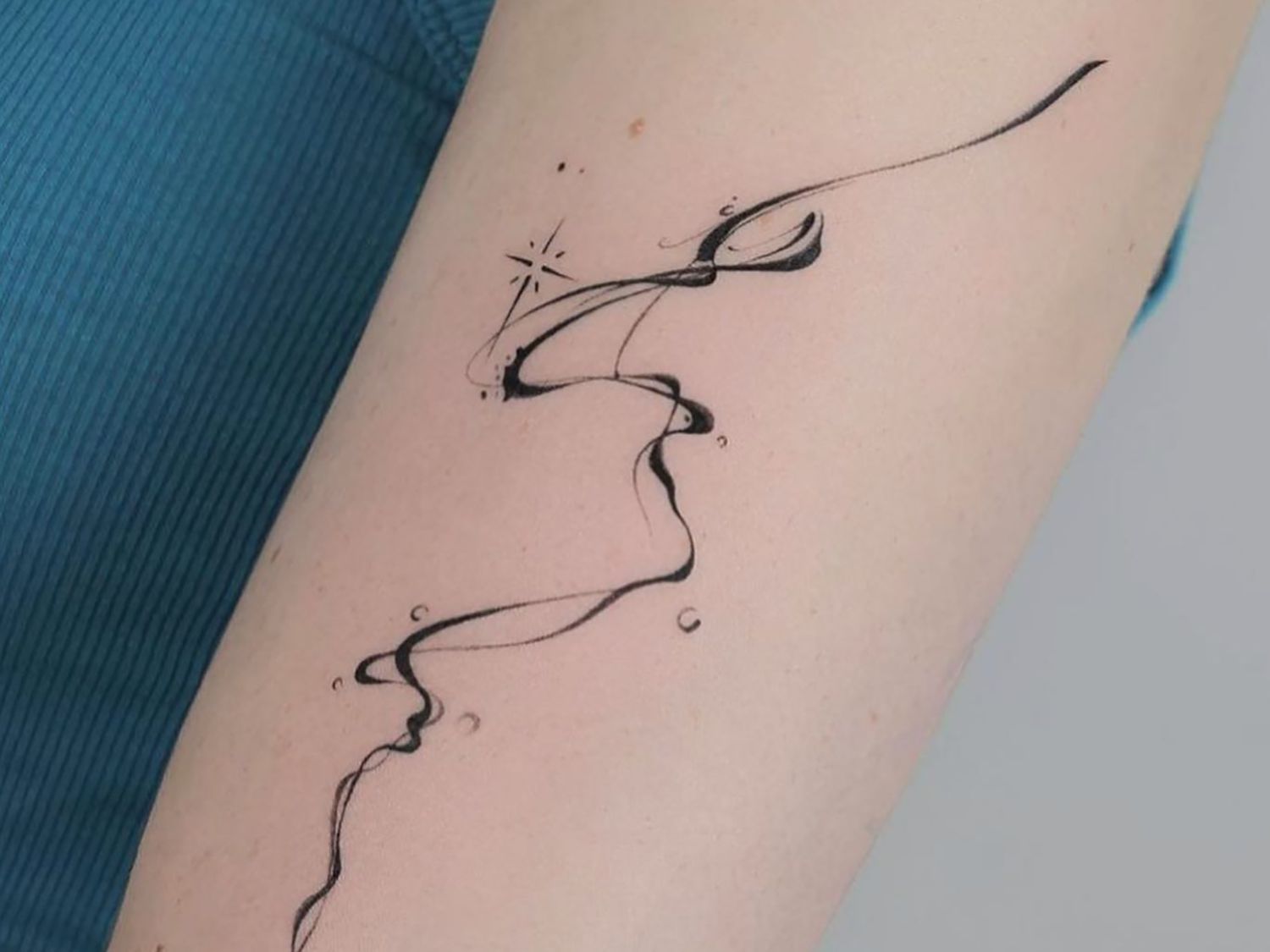
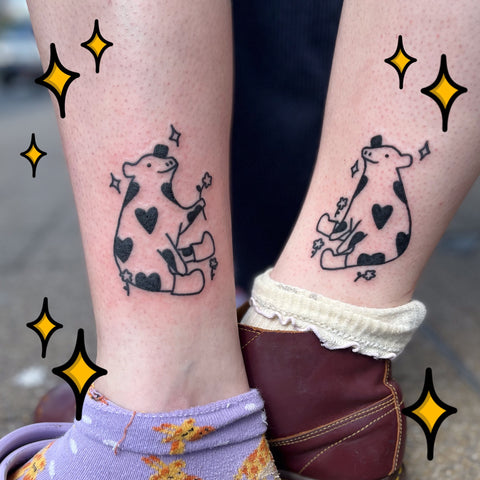
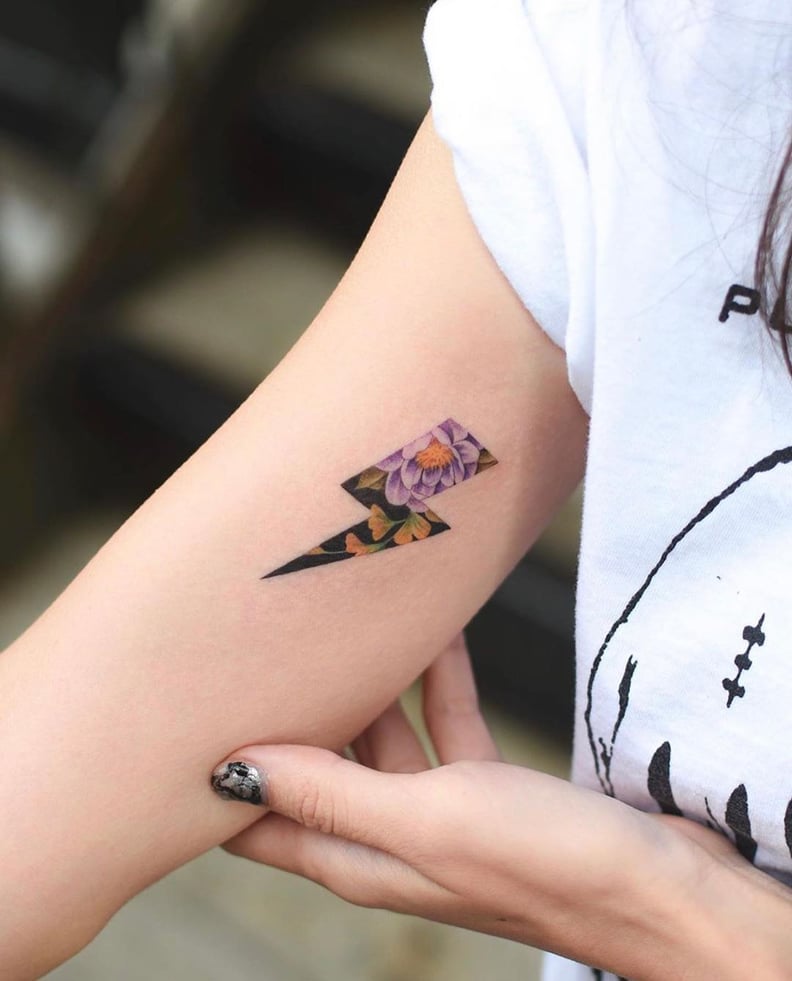
Finding a local tattoo artist who matches your style is only half the battle. The real test lies in their technical consistency. A stunning black-and-gray portrait means little if the artist cannot maintain that same precision with color saturation or line weight on different body parts. You need to verify that their skill is reliable, not just lucky.
Start by looking beyond the "best of" images. Scroll through their full gallery to find pieces that are at least six months old. Fresh tattoos often look vibrant and sharp because the skin is still healing. Healed work reveals the truth about how well the artist packed ink and managed skin trauma. If the lines have blurred significantly or the color has faded unevenly, that is a red flag for long-term durability.
Pay close attention to how the artist handles different skin tones and complex areas. A portfolio that only features light-skinned subjects on flat surfaces like the forearm tells you nothing about their ability to work on darker skin or over bony, curved areas like ribs or shins. Look for evidence that they adjust their technique for the canvas. Consistency across diverse bodies and styles proves they understand skin anatomy, not just drawing.
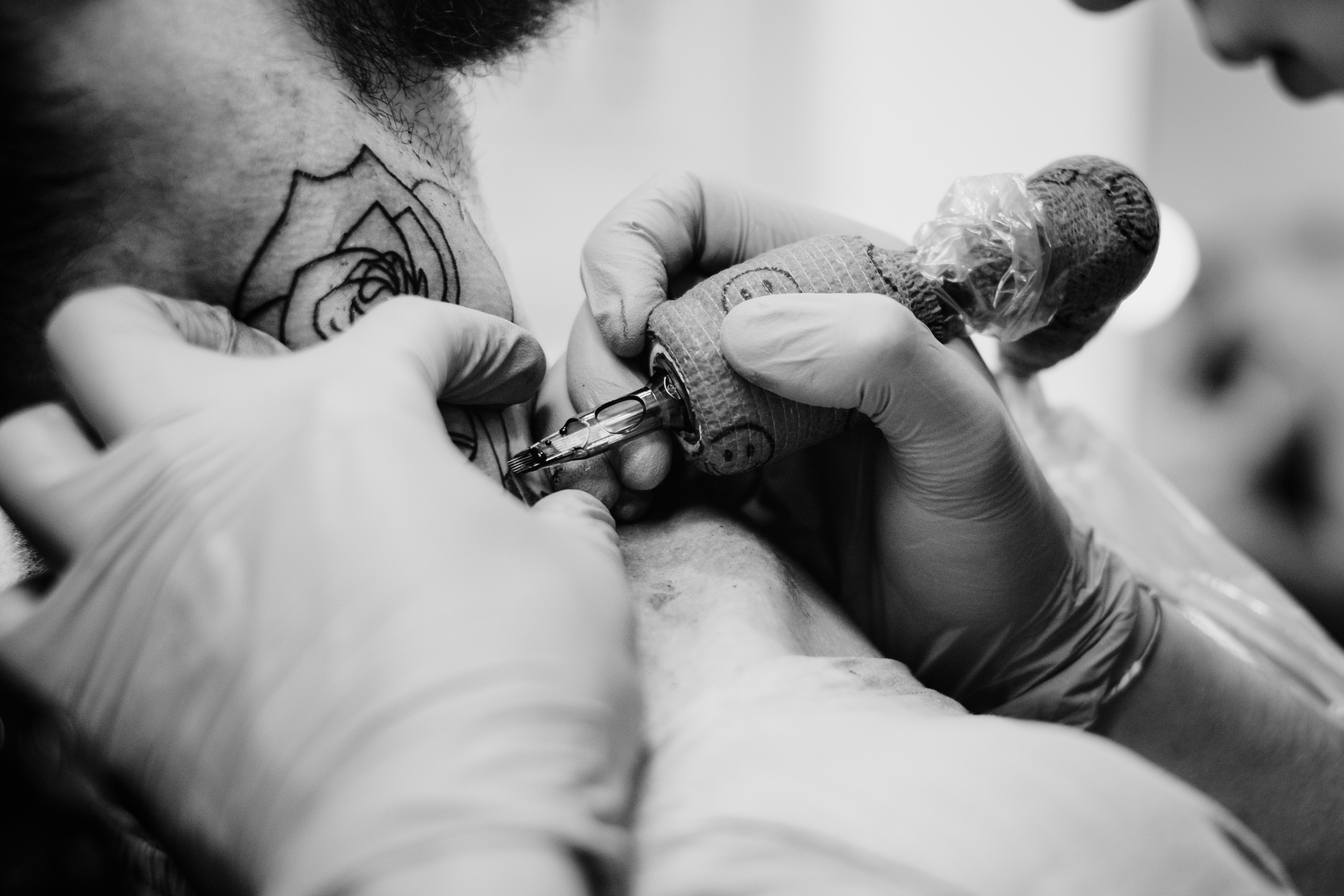
When you see a piece you love, check the comments or ask the artist directly about the healing process. Did they provide detailed aftercare instructions? Did the client report any issues with scabbing or color retention? This social proof is often more valuable than the image itself. It confirms that the artist’s technical skill translates into a healthy, lasting result for real people.
Book a consultation or walk-in
Find Local Tattoo Artists and Read Reviews works best as a clear sequence: define the constraint, compare the realistic options, test the tradeoff, and choose the path with the fewest hidden costs. That order keeps the advice usable instead of decorative. After each step, pause long enough to check whether the recommendation still fits the reader's actual situation. If it depends on perfect timing, unusual access, or a best-case budget, include a simpler fallback.
Common mistakes when choosing artists
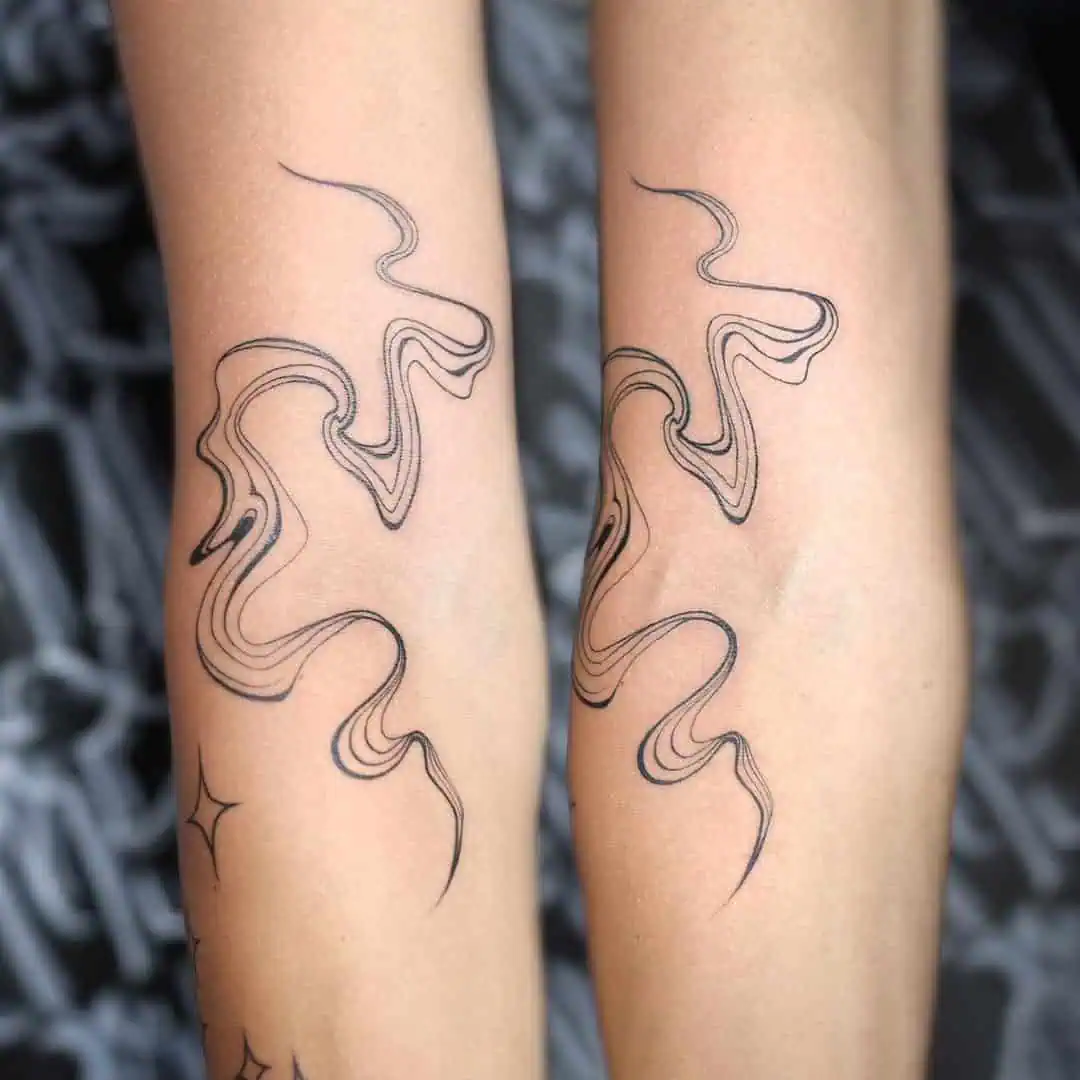
Picking a tattoo artist based solely on price is a fast track to regret. Cheap work often means rushed sessions, poor needle control, or ink diluted with water to save costs. If a quote seems too good to be true, it usually is. You are paying for the artist’s years of practice, not just the hour of needle time.
Another frequent error is ignoring negative reviews that mention attitude or hygiene. A five-star rating doesn’t matter if the artist is rude or the shop cuts corners on sterilization. Look for patterns in complaints. If multiple clients mention unclean stations or dismissive behavior, walk away. Safety and comfort are non-negotiable.
Always verify that the artist specializes in your desired style. A master of traditional American tattoos may not be the right choice for fine-line realism. Review their portfolio closely to ensure their aesthetic aligns with your vision. Don’t settle for a generic design when you can find someone who excels in your specific niche.
Frequently asked questions about tattoo reviews
Finding a local tattoo artist involves more than just checking star ratings. You need to verify that the reviews reflect real hygiene standards and consistent artistic quality.
What should I look for in hygiene-related reviews?
Prioritize comments about cleanliness and safety protocols. Look for specific mentions of sterile equipment, proper wrapping of machines, and a tidy workspace. If reviews mention "clean," "organized," or "professional setup," the shop likely follows strict health codes. Avoid artists where reviews mention dust, clutter, or vague answers about sanitation.
How do I spot fake or paid reviews?
Be skeptical of generic praise like "Amazing artist!" without context. Real reviews describe the experience, the healing process, or specific design details. Look for verified purchase badges or detailed stories about the consultation. If a shop has dozens of five-star reviews posted on the same day, it may be manipulated. Cross-reference with multiple platforms like Yelp or Tattoodo to see if the sentiment holds up.
Should I trust reviews that mention the price?
Price mentions can reveal transparency and value. Positive reviews often note that the final cost matched the initial quote, indicating no hidden fees. Negative reviews citing "bait and switch" pricing are red flags. However, never choose an artist solely based on low prices; high-quality custom work requires fair compensation for skill and time.
No comments yet. Be the first to share your thoughts!