
The environmental cost of ink
Tattooing has a dirty secret: heavy metals. Mercury, lead, and cadmium are common in traditional pigments. When these aren't handled right, they leach into the soil and water. It's easy to look at the art and forget the chemistry, but the environmental cost is real.
Beyond the inks themselves, the packaging is a significant issue. A lot of tattoo supplies come individually wrapped in single-use plastic, contributing to plastic waste. The sourcing of pigments is another concern; some pigments are derived from unsustainable sources, impacting ecosystems and biodiversity. Finally, the disposal of needles, ink caps, and other contaminated waste requires careful management to prevent the spread of harmful substances.
Currently, regulation of tattoo ink ingredients is surprisingly limited. This means there isn’t always transparency about what’s in the ink, making it difficult for artists and customers to make informed choices. While some manufacturers are voluntarily disclosing ingredients, a standardized system for safety and environmental impact assessment is still lacking. It’s a situation that’s slowly changing, but there’s still a long way to go.
Defining a green studio
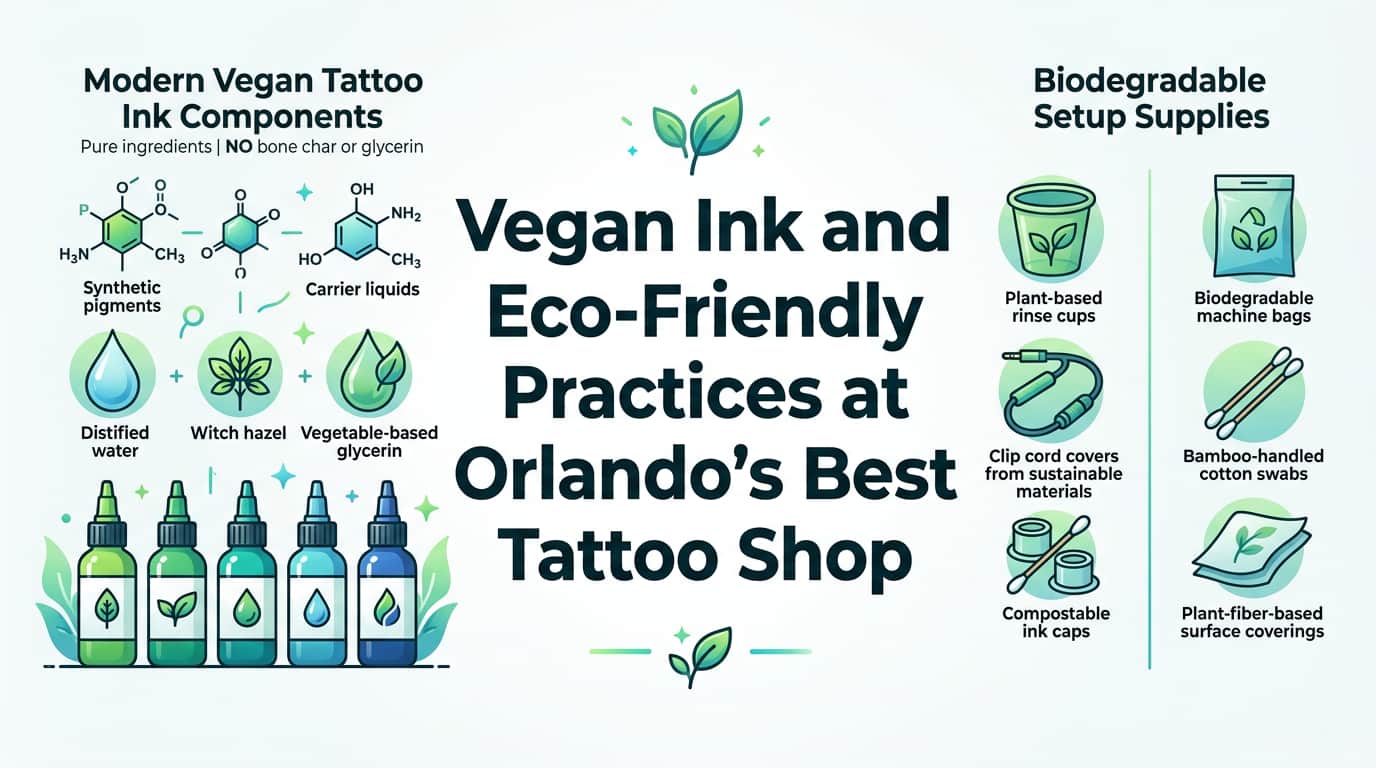
Defining a "sustainable’ tattoo shop goes far beyond simply offering vegan ink. While vegan inks are a great starting point – ensuring no animal products are used in the formulation – they don"t address the broader environmental impact. A truly sustainable shop takes a holistic approach, minimizing its footprint in every aspect of its operation.
This includes prioritizing waste reduction. Shops can significantly cut down on waste by switching to reusable alternatives for single-use items like paper towels, gloves, and razors. Proper disposal of hazardous waste, like needles and contaminated materials, is also essential, following all local regulations. Energy efficiency is another key factor, from using energy-saving lighting to optimizing HVAC systems.
Ethical sourcing of all supplies, not just ink, is vital. This means considering the origin of materials and choosing suppliers committed to responsible practices. Water conservation is also important, especially in sterilization processes. It’s about recognizing that sustainability isn’t a single action, but a continuous commitment to minimizing harm. It's easy to fall into the trap of greenwashing, where a shop claims to be eco-friendly without making substantial changes.
- Switching to reusable steel razors and biodegradable barriers.
- Energy Efficiency: Energy-saving lighting, optimized systems.
- Ethical Sourcing: Responsible suppliers.
- Water Conservation: Efficient sterilization processes.
The shift to plant-based pigments
The demand for sustainable options has fueled innovation in tattoo ink formulation. Plant-based inks are gaining popularity, utilizing pigments derived from fruits, vegetables, and other natural sources. These inks often offer a softer color palette compared to traditional inks, but advancements are being made to improve vibrancy and longevity. Mineral pigments, sourced from ethically mined materials, are another alternative.
One challenge with natural inks is achieving the same level of color saturation and durability as conventional inks. Some plant-based pigments may fade more quickly or not be suitable for all skin tones. However, research and development are ongoing to address these limitations. Companies like Eternal Ink offer vegan options, demonstrating a growing commitment to providing alternatives.
Smaller brands are also emerging, focusing specifically on organic and sustainable pigments. These companies often prioritize transparency in their ingredient sourcing and manufacturing processes. While the cost of eco-friendly inks can sometimes be higher, many artists and customers believe the environmental benefits are worth the investment. They're a step in the right direction, even if they aren’t perfect.
New York's Vegan Pioneers
New York City is home to several tattoo shops leading the way in vegan and sustainable practices. According to Yelp’s 2026 listing of top vegan tattoo shops, Bang Bang Tattoo consistently receives high praise for its artistry and commitment to using vegan inks. Customers frequently mention the shop’s cleanliness and professional atmosphere. They also appreciate the artists’ willingness to work with clients to create custom designs.
Adorned is another highly-rated option, known for its diverse team of artists and welcoming environment. Reviews highlight the shop's dedication to using high-quality vegan inks and providing a comfortable experience. New York Adorned also receives positive feedback for its attention to detail and commitment to client safety. Ink Slingers Tattoo is celebrated for its creative designs and the artists’ expertise in various styles, all while maintaining a vegan-friendly approach.
Painted Lady Tattoo stands out for its artistic aesthetic and focus on custom work. Many customers specifically sought out this shop for its vegan ink options and the artists’ commitment to ethical practices. Three Kings Tattoo consistently earns high marks for its skilled artists and clean, modern studio. It’s clear from the reviews that these shops are not only providing excellent tattoos, but also prioritizing sustainability and ethical considerations.
Golden Child Tattoo has a reputation for being a comfortable and inclusive space, and several reviewers specifically mention the use of vegan inks. It's more than just the ink, though; the overall experience and the artists' dedication to their craft are frequently mentioned.
NYC Vegan Tattoo Parlors: A Comparative Look (2026)
| Shop Name | Overall Vibe | Ink Specialization | Customer Review Highlights |
|---|---|---|---|
| Adorned | Minimalist, Clean | Fine Line, Blackwork, Botanical | “Super clean and professional” , “Artist was incredibly patient”, “Beautiful, delicate work” |
| Bang Bang Tattoo | Upscale, Artistic | Color Realism, Illustrative, Script | “Amazing artists, very talented”, “High-end experience”, “Exceptional attention to detail” |
| East Side Ink | Traditional, Welcoming | American Traditional, Neo-Traditional, Black and Grey | “Classic shop with a great vibe”, “Solid work, fair prices”, “Friendly and skilled artists” |
| Ink Slingers | Eclectic, Relaxed | Watercolor, Geometric, Custom Designs | “Unique and creative designs”, “Artist really listened to my ideas”, “Comfortable and inviting atmosphere” |
| New York Adorned | Punk, Edgy | Blackwork, Geometric, Large Scale | “Bold designs, great for blackwork”, “Experienced artists, strong lines”, “Cool shop with a unique aesthetic” |
| Sacred Tattoo | Spiritual, Calming | Mandala, Geometric, Spiritual Imagery | “Very peaceful and healing experience”, “Beautiful and meaningful tattoos”, “Artist is incredibly intuitive” |
Qualitative comparison based on the article research brief. Confirm current product details in the official docs before making implementation choices.
Debbi Snax and the Future of Green Tattooing
Debbi Snax is a prominent figure in the movement towards sustainability in tattooing. As highlighted by Girl Plus Environment, she’s not just using eco-friendly inks; she’s reimagining the entire tattooing process. Her approach extends to sourcing sustainable supplies, minimizing waste, and educating both artists and clients about the environmental impact of their choices.
Snax's philosophy centers around a holistic view of sustainability. She believes that every aspect of the tattooing experience, from the initial consultation to the aftercare, should be considered through an environmental lens. This includes using biodegradable materials, reducing water consumption, and promoting natural aftercare products. She’s also a strong advocate for transparency in the tattoo industry, encouraging manufacturers to disclose their ingredients and practices.
Her work is having a ripple effect, inspiring other artists to adopt more sustainable practices. Snax actively shares her knowledge and resources, empowering others to make a positive change. She represents a shift in the industry, demonstrating that it is possible to create beautiful art without compromising the health of the planet.
Beyond Ink: Sustainable Studio Practices
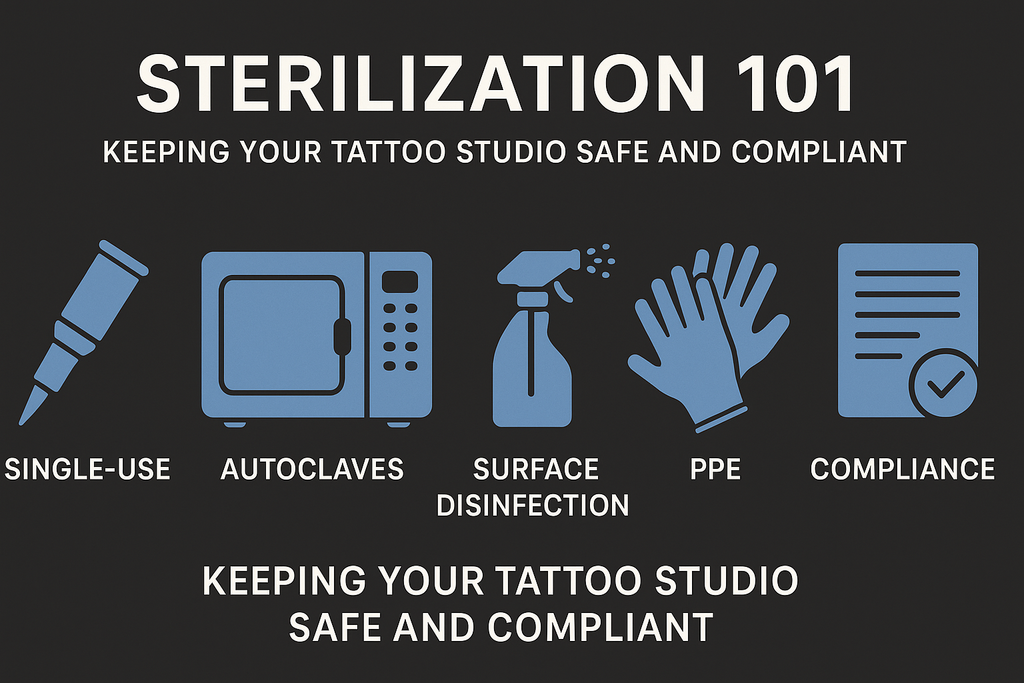
Sustainability in a tattoo studio extends far beyond the ink itself. Sterilization is a critical process, but traditional methods often rely on harsh chemicals. Exploring alternative sterilization techniques, or optimizing existing ones to reduce chemical usage, can significantly lower a studio’s environmental impact. Proper ventilation is also crucial to minimize the release of harmful fumes.
The choice of furniture and décor also matters. Opting for reclaimed materials, or furniture made from sustainably sourced wood, can reduce a studio’s carbon footprint. Even something as simple as using low-VOC paints can make a difference. Aftercare products are another area where sustainable choices can be made, offering clients natural, eco-friendly balms and lotions.
Digital record-keeping is a surprisingly effective way to reduce waste. Switching from paper charts to electronic systems eliminates the need for paper files and reduces the environmental impact associated with paper production. These small changes, when adopted collectively, can have a significant positive impact on a studio’s overall sustainability.

No comments yet. Be the first to share your thoughts!