

The rise of eco-conscious tattooing
Tattooing is finally facing its environmental footprint. Clients are asking about ink ingredients and plastic waste, forcing a shift in how shops operate. It is no longer enough to just produce good art; the process behind it has to be defensible.
For a long time, tattooing wasn't really examined for its environmental impact. It was a craft focused on artistry, and concerns about sustainability were largely absent. But as awareness grows around issues like plastic pollution and toxic chemicals, people are naturally extending those concerns to all aspects of their lives – including their body art.
Traditional tattooing has a surprisingly complex history. From ancient practices using natural pigments to the modern era of mass-produced inks, the methods have drastically changed. This evolution, while bringing advancements in color and longevity, has also introduced new environmental challenges. We’re seeing a return to some of those older ideas, but with a modern understanding of safety and sustainability.
This isn’t just a fleeting trend, either. It’s a reflection of broader cultural values. Consumers are increasingly prioritizing ethical and sustainable brands across all industries, and tattooing is no exception. They’re willing to seek out studios that align with their values, even if it means paying a little more or traveling further.

What is actually in tattoo ink?
Let’s be real: most traditional tattoo inks are far from "natural". They're complex mixtures of pigments, carriers, and stabilizers. Carbon black, for example, is a common pigment created from burning organic matter – essentially soot. While it’s been used for centuries, its production isn’t exactly environmentally friendly.
Azo dyes are another major component, providing a wide range of colors. The New York State Department of Health identifies these as a potential concern, as some azo compounds can break down into carcinogenic amines. Mercury sulfide (cinnabar) used to be prevalent for red inks, but thankfully, its use is declining due to its obvious toxicity. It's a good reminder that historical practices weren't always safe.
The manufacturing process itself is a problem. Many inks are produced with little regulation, leading to inconsistent quality and potential contamination. The carriers, which help distribute the pigment, often contain ingredients like isopropyl alcohol and propylene glycol – solvents that aren’t exactly benign. Disposal is another issue. Used ink, contaminated wipes, and disposable ink caps all contribute to hazardous waste.
According to the New York City Department of Health and Mental Hygiene’s Health Standards and Recommendations for Tattooing (March 2016), proper handling and disposal of tattoo waste are crucial for preventing infection and protecting both artists and the public. However, the guidelines primarily focus on biohazard waste, not the broader environmental impact of ink itself. This is where the industry needs to step up.
Plant and mineral ink alternatives
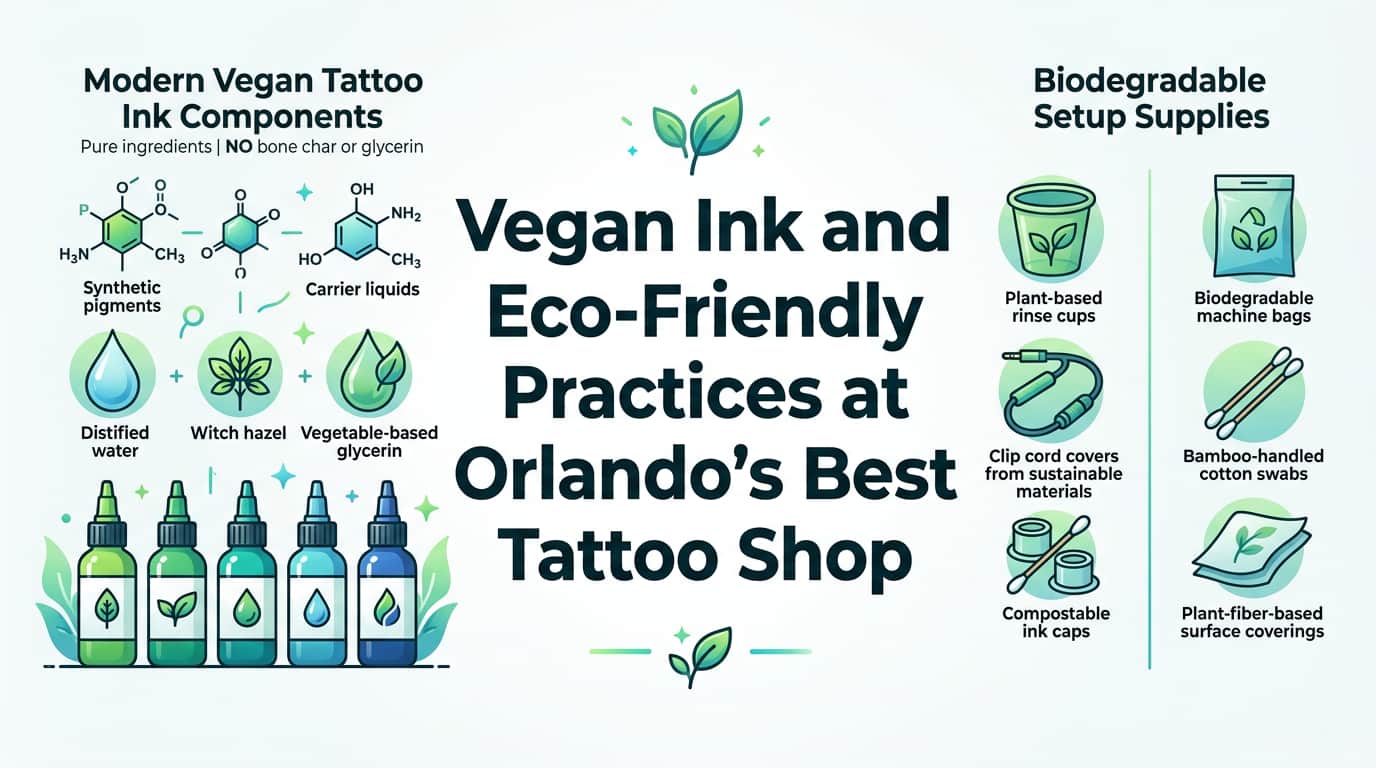
The good news is that alternatives are emerging. Plant-based inks are gaining traction, derived from sources like berries, fruits, and vegetables. These inks often use natural binding agents and avoid harsh chemicals. However, they can sometimes be less vibrant and may fade more quickly than traditional inks, a tradeoff some clients are willing to make.
Mineral-based inks represent another promising avenue. These inks utilize pigments derived from naturally occurring minerals, offering a potentially more stable and long-lasting color. Companies like Eternal Ink offer vegan-friendly options, though “vegan” doesn’t necessarily equate to fully sustainable – it simply means no animal products are used.
Dynamic Color produces Black/Grey Petal inks using sterilized plant extracts. Intenze Ink sells a certified vegan line and is testing more sustainable formulas. These are decent alternatives, though the color payoff is often softer than traditional heavy-metal pigments.
It's important to be realistic. Sustainable inks aren't a perfect solution yet. Some artists report challenges with consistency and color saturation. The price point can also be higher. But the technology is improving rapidly, and as demand grows, we can expect to see more innovative and effective options become available.
- Dynamic Color Black/Grey Petal inks use sterilized plant extracts.
- Intenze Ink: Certified vegan inks – Exploring sustainable formulations.
- Eternal Ink: Vegan-friendly options – Not necessarily fully sustainable.
Comparison of Sustainable Tattoo Ink Types - 2026
| Pigment Source | Color Range | Longevity | Skin Sensitivity | Environmental Impact | Cost |
|---|---|---|---|---|---|
| Plant-Based (e.g., vegetal inks) | Generally more limited, leaning towards earth tones and softer shades. Achieving vibrant, saturated colors can be challenging. | May fade more quickly than traditional inks, requiring potential touch-ups. Long-term studies are still emerging. | Typically well-tolerated, lower risk of allergic reactions for those sensitive to metal-based pigments. | Lower environmental impact due to renewable sourcing and biodegradability. Production can still have impacts depending on agricultural practices. | Often higher than traditional inks, reflecting sourcing and processing costs. |
| Mineral-Based (e.g., using naturally occurring oxides) | Good range, particularly in blacks, grays, and some earth tones. Achieving bright blues and greens can be difficult. | Generally comparable to traditional inks in terms of longevity, though variations exist based on specific mineral composition. | Potential for sensitivity in individuals with metal allergies, depending on the specific minerals used. Patch testing recommended. | Lower impact than inks containing heavy metals, but mining processes can have environmental consequences. | Mid-range; typically more affordable than plant-based inks but can be pricier than some traditional options. |
| Hybrid Inks (Plant/Mineral blends) | Broader color range than purely plant-based inks, offering more vibrancy while retaining some natural qualities. | Potentially good longevity, benefitting from the stability of mineral pigments while utilizing plant-based carriers. | Moderate risk of sensitivity, depending on the balance of plant and mineral components. Careful formulation is key. | Aims for reduced environmental impact by combining renewable and naturally occurring materials. Overall impact depends on sourcing. | Variable, depending on the proportion of each component. Generally, mid-to-high range. |
| Iron Oxide Based | Primarily blacks, browns, and reds. Limited range for brighter colors. | Good longevity, iron oxide is a stable pigment. | Generally well-tolerated, but sensitivities to iron are possible (though rare). | Relatively low environmental impact, iron oxides are naturally occurring. Extraction processes need to be considered. | Generally lower cost compared to other sustainable options. |
| Carbon-Based (from plant sources) | Excellent blacks and grays. Limited color palette beyond these shades. | Good longevity, carbon is a very stable pigment. | Low potential for allergic reactions, as carbon is generally inert. | Low environmental impact, especially when sourced from sustainable plant matter. | Moderate cost, often comparable to traditional black inks. |
Illustrative comparison based on the article research brief. Verify current pricing, limits, and product details in the official docs before relying on it.
Beyond Ink: Eco-Friendly Studio Practices
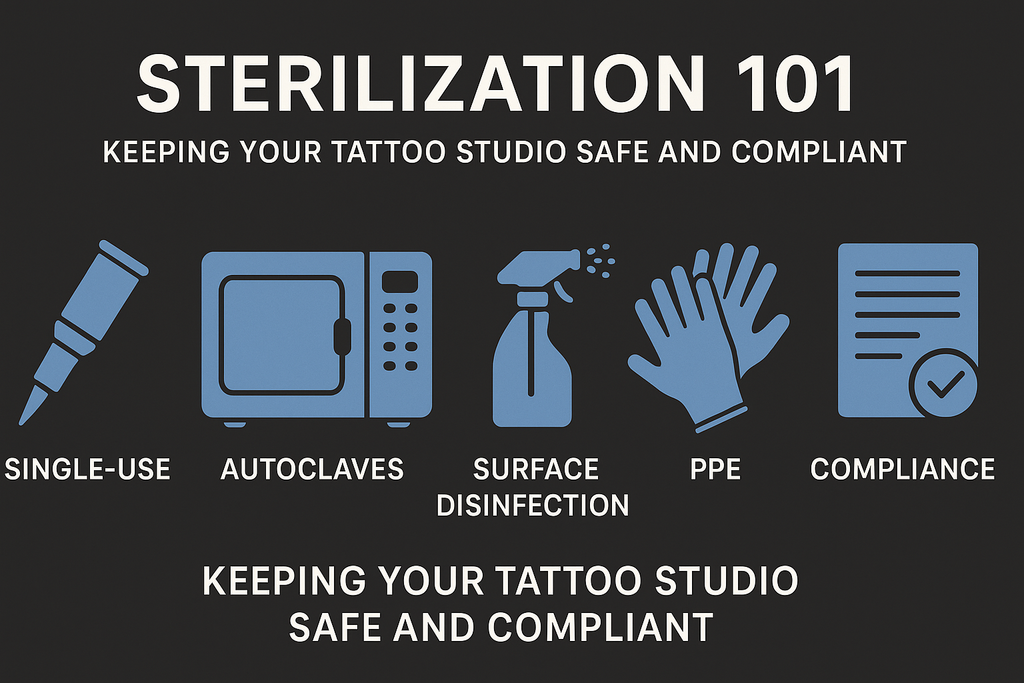
Sustainability isn’t just about the ink; it's about the entire studio environment. Sterilization is paramount, of course – the NYC Department of Health guidelines are very clear on this. But even here, there are opportunities to reduce environmental impact. Autoclaves, while energy-intensive, are essential for safe practice.
Single-use plastics are a huge problem. Think about all the disposable gloves, razors, and barrier film used in a single session. Studios can minimize waste by opting for reusable alternatives where possible, like stainless steel instruments and washable barrier covers. It requires a shift in workflow, but it's worth it.
Waste management is another key area. Proper segregation of hazardous waste (needles, contaminated materials) is legally required, but studios should also prioritize recycling and composting. Energy efficiency is also important – switching to LED lighting and using energy-efficient equipment can make a difference.
Water conservation often gets overlooked. Studios use water for washing hands, cleaning equipment, and rinsing stencils. Installing low-flow faucets and being mindful of water usage can help reduce their water footprint. It's about making small changes that add up over time.
- Reducing single-use plastics by switching to stainless steel tools.
- Implement proper waste management (recycling, composting, hazardous waste disposal)
- Improve energy efficiency (LED lighting, efficient equipment)
- Conserve water (low-flow faucets, mindful usage)
Directory: Sustainable Tattoo Shops (2026)
Finding a truly sustainable tattoo shop can take some research, but it’s getting easier. Here are a few shops, as of late 2026, that are making a conscious effort to minimize their environmental impact. This list is constantly evolving, so check back often for updates.
New York, NY - Inkwell Collective: This Brooklyn-based studio prioritizes vegan inks and uses reusable barrier film whenever possible. They also have a comprehensive recycling program and actively promote sustainable aftercare products.
Los Angeles, CA - Sacred Geometry Tattoo: Sacred Geometry uses primarily plant-based inks and has implemented a zero-waste policy for office supplies. They also partner with local environmental organizations.
Portland, OR - Rose City Tattoo: Known for its commitment to ethical practices, Rose City Tattoo uses sustainable inks and prioritizes energy efficiency in its studio. They also offer discounts to clients who bike or take public transportation.
Austin, TX - Electric Owl Tattoo: Electric Owl focuses on reducing plastic waste and uses biodegradable cleaning products. They also actively educate clients about sustainable tattooing practices.
Palm Coast, FL - Vivid Ink Tattoo: According to Yelp reviews, Vivid Ink Tattoo is committed to using high-quality, sustainable inks and maintaining a clean, eco-friendly environment.
Seattle, WA - Blackthorn Tattoo: Blackthorn uses only vegan and cruelty-free inks, and they’ve implemented a water conservation system in their studio.
Denver, CO - Ritual Tattoo: Ritual Tattoo is committed to using sustainable inks and reducing waste throughout their studio. They also partner with local environmental organizations.
Client Considerations: Asking the Right Questions
You have a role to play in supporting sustainable tattooing. Don't be afraid to ask your artist questions. What type of ink are they using? Where does it come from? What are the ingredients? A reputable artist should be happy to provide this information.
Inquire about their sterilization procedures. Are they using an autoclave? What type of disinfectant are they using? How do they dispose of hazardous waste? These are all important questions to ensure your safety and the studio’s compliance with health standards.
Ask about their waste management practices. Do they recycle? Do they compost? Are they making an effort to reduce single-use plastics? These questions will give you a sense of their overall commitment to sustainability.
Don’t forget about aftercare. Choose sustainable aftercare products that are free of harsh chemicals and packaged in eco-friendly materials. Look for balms and lotions made with natural ingredients. Avoid products containing petroleum-based ingredients or excessive plastic packaging.
- What type of ink is used and what are the ingredients?
- What are the sterilization procedures?
- What is the waste management process?
- What sustainable aftercare products are recommended?
Sustainable Tattoo Shops
- Bang Bang Tattoo - 130 Orchard St, New York, NY 10002. Bang Bang Tattoo is known for its high-profile clientele and increasingly, its commitment to reducing its environmental impact through responsible waste disposal and sourcing of vegan-friendly inks. They prioritize single-use disposable items that are recyclable.
- Golden Ratio Tattoo - 636 Grand St, Brooklyn, NY 11249. Golden Ratio focuses on minimizing cross-contamination and utilizes medical-grade sterilization equipment. They’re actively researching and incorporating more sustainable ink options and reducing plastic usage in their supplies.
- Rose Hardcore Tattoo - 172 Rivington St, New York, NY 10002. Rose Hardcore emphasizes hygiene and safety, and has begun transitioning to biodegradable alternatives for commonly used products like razors and barrier films. They offer vegan ink options.
- Saved Tattoo - 141 Division St, New York, NY 10002. Saved Tattoo prioritizes a clean and safe environment, and is working towards reducing single-use plastics through bulk purchasing and reusable alternatives where possible. They stock a range of vegan inks.
- North Star Tattoo - 175 N 6th St, Brooklyn, NY 11249. North Star Tattoo is dedicated to providing a safe and comfortable experience, and is actively exploring eco-friendly aftercare products and sustainable packaging options for client take-home materials.
- Three Kings Tattoo - 116 Delancey St, New York, NY 10002. Three Kings Tattoo is committed to responsible waste management and uses disposable equipment that is properly sterilized and disposed of according to regulations. They offer a selection of plant-based inks.
- Fun City Tattoo - 108 Rivington St, New York, NY 10002. Fun City Tattoo focuses on traditional tattooing with a modern approach to sustainability, including responsible sourcing of pigments and a reduction in single-use plastics. They offer vegan options.
The future of the industry
The future of sustainable tattooing looks promising. Advancements in ink technology are leading to more vibrant and long-lasting plant-based and mineral-based options. We can also expect to see stricter regulations regarding ink ingredients and waste disposal.
Increased consumer demand will undoubtedly drive further innovation. As more people prioritize sustainability, studios will be incentivized to adopt eco-friendly practices. This will create a positive feedback loop, accelerating the transition to a more sustainable industry.
Challenges remain, of course. The cost of sustainable inks can be higher, and some artists may be hesitant to switch from traditional methods. But as the market grows, prices will likely come down, and more artists will become comfortable with the new technologies.
TattooRate will continue to play a vital role in promoting and supporting sustainable practices. By providing a comprehensive directory of eco-friendly tattoo shops and educating clients about their options, we can help drive positive change within the industry.


No comments yet. Be the first to share your thoughts!