

Choosing the right tattoo artist
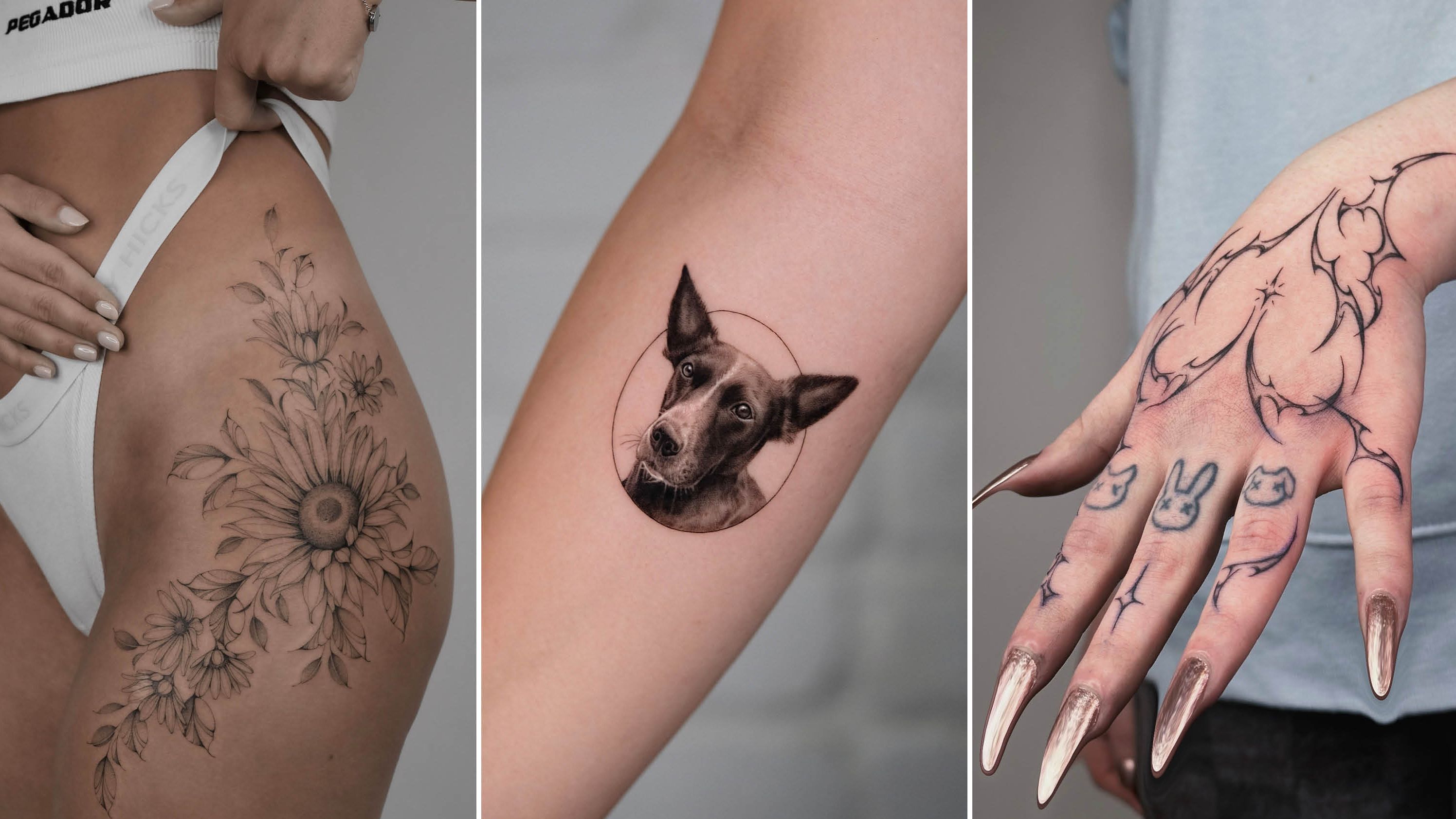
Selecting a tattoo artist is less about finding the most famous name in town and more about finding the specialist who speaks your visual language. A master of traditional American ink may struggle with the delicate line work required for fine-line botanicals, just as a photorealism expert might overwhelm a small, minimalist design. The right tattoo artist matches the complexity and aesthetic of your idea with their proven track record.
Start by browsing portfolios online, but don’t stop at the fresh ink. Ask to see healed photos of previous work in the specific style you want. Skin settles, ink spreads slightly over time, and a design that looks crisp on day one might blur or fade into a blob after six months. Seeing how an artist’s work holds up over time is the only true test of their technique and aftercare guidance.
When you visit a shop, look for artists who specialize rather than generalize. Shops like Oddity Tattoo in Sarasota, Florida, organize their teams by style, allowing you to browse portfolios that are already filtered for your preference. This specialization ensures that the person holding the machine has spent years refining the specific muscle memory and ink saturation needed for that look.
Don’t be afraid to ask questions during your consultation. A good artist will discuss placement, longevity, and sizing with you, treating your body like a canvas that requires planning. If they seem dismissive of your concerns or pressure you into a design you’re unsure about, keep looking. The best collaborations start with clear communication and mutual respect for the craft.
Top local tattoo shops to consider
Finding the right local tattoo artists means looking beyond the storefront and into the portfolios of the people holding the needles. Sarasota, Florida, has a dense concentration of skilled studios, but the best choice depends on your specific style and the artist's expertise. The following shops are recognized for their rigorous hiring standards and diverse talent pools.
Oddity Tattoo operates four locations across the Sarasota area, employing 24 distinct artists. This scale allows them to specialize in nearly every genre, from hyper-realism to traditional American. You can browse individual portfolios by style on their website and book directly with the artist who matches your vision, ensuring you aren't stuck with a generalist for a specialized piece. Their presence on local recommendation lists, such as those found on community forums, highlights their consistent output and accessibility.
Mockingbird Tattoo Company takes a more curated approach. Every artist in their collective has between four and 27 years of professional experience and holds relevant certifications. This requirement filters out novices, making it a reliable choice if you prioritize safety, hygiene, and technical precision over sheer volume. The studio’s reputation for high-quality training means your tattoo is handled by someone who has undergone significant vetting.
Liberty Tattoo Club is frequently cited by locals as a top spot for finding elite talent. Rather than a fixed roster, they operate as a hub where you can select one of Sarasota's most sought-after artists based on your specific project needs. This model is ideal for custom work, where the artist's individual aesthetic is the primary driver of the final result.
Shop Comparison
| Shop Name | Location Focus | Key Feature |
|---|---|---|
| Oddity Tattoo | 4 Sarasota locations | 24 artists, direct booking |
| Mockingbird Tattoo | Sarasota | Certified artists, 4-27 yrs exp |
| Liberty Tattoo Club | Sarasota | Artist selection by style |
When selecting a shop, remember that the equipment used is just as important as the artist. While you are paying for the art, the safety of the procedure relies on the supplies. Ensure the shop uses single-use, sterile cartridges and high-quality inks. For those interested in the technical side of tattooing, researching the best tattoo machine kits and power supplies can help you understand what professional-grade equipment looks like, even if you are just a client observing the process.
Essential tattoo aftercare supplies
Your tattoo is only as good as the care it receives in the first few weeks. Treating fresh ink like an open wound is the only way to keep the colors vibrant and the lines crisp. You don’t need a complicated regimen, just the right basics to protect the skin while it heals.
Start with a gentle, fragrance-free antibacterial soap. The skin barrier is compromised, so harsh chemicals or heavy fragrances can cause irritation or allergic reactions. Wash the area with lukewarm water and pat it dry with a clean paper towel—never rub it with a cloth towel that might harbor bacteria.
For moisturizing, stick to thin, water-based lotions or specialized tattoo aftercare balms. Thick ointments like Vaseline can suffocate the skin and trap bacteria, leading to infection or fading. Apply a thin layer only when the tattoo feels tight or dry, usually after the first few days when initial peeling begins.
Avoid sun exposure, swimming pools, and soaking in baths during the healing process. UV rays can fade ink prematurely, and standing water can introduce bacteria to the open wound. Wear loose, breathable clothing to prevent friction and allow the skin to breathe.



As an Amazon Associate, we may earn from qualifying purchases.
2026 tattoo design trends
The most requested tattoo design trends for 2026 blend minimalist precision with nostalgic, illustrative depth. Readers are moving away from generic filler toward styles that complement specific body contours, favoring clean lines that age gracefully over dense, heavy shading that may blur over time.
Neo-traditionalism remains a dominant force, but with a modern twist. Artists are incorporating softer watercolor backgrounds and more anatomical accuracy into classic bold-line work. This style works well for medium-sized pieces on the forearm or calf, offering a balance of detail and readability.
Blackwork is evolving beyond solid blocks into intricate geometric patterns and fine-line dotwork. These designs rely on negative space, making them ideal for those who want visible ink without the commitment of full coverage. Fine-line realism is also gaining traction, particularly for small, delicate portraits or botanical elements.
For those interested in the tools behind these styles, precision matters. High-quality liners and mag coils allow artists to execute the thin, consistent lines required for modern fine-line work. Choosing the right equipment ensures that intricate designs remain sharp as they heal.
No comments yet. Be the first to share your thoughts!