

Finding a shop that fits
Getting a tattoo is a big deal. It's more than just slapping some art on your skin; it’s a commitment, a form of self-expression, and something you’ll carry with you for a long time. I remember my first tattoo – I walked into the closest shop, looked at the flash on the wall, and pointed. It wasn’t a terrible tattoo, but it wasn’t me. That experience taught me a valuable lesson: finding the right shop is just as important as the art itself.
Focusing only on price or how close a shop is to your house usually backfires. A dirty shop or an artist who hasn't mastered their machine leads to blowouts or infections. You aren't being difficult by asking questions; you're making sure you don't end up with a permanent mistake.
There’s no single "best’ tattoo shop, only the best shop for you. What one person values – maybe a super speedy session – might be completely different from what you need. Maybe you want an artist who’s willing to spend hours discussing your design, or one who specializes in a very specific style. It"s a deeply personal choice, and one worth taking seriously.
How to read between the lines of online reviews
Online reviews are a starting point, but they require a critical eye. A five-star rating doesn’t automatically mean a shop is perfect, and a one-star rating doesn’t necessarily mean it’s terrible. You need to dig deeper and look for patterns. I've found the most helpful reviews are detailed, describing the artist’s communication, the cleanliness of the shop, and how they handled any challenges that arose during the process.
Vague complaints like “bad experience” or “wouldn’t recommend” are pretty useless. Look for specifics. Did the artist listen to their ideas? Were they patient and professional? Did they explain the aftercare instructions clearly? Conversely, ignore overly emotional reactions – people sometimes exaggerate, especially online. And be aware of the potential for fake reviews, both positive and negative. A sudden influx of glowing reviews in a short period is a red flag.
This is where platforms like TattooRate come in handy. We prioritize verified reviews, meaning we attempt to confirm that the reviewer actually got a tattoo at the shop. This adds a layer of credibility that’s often missing from other review sites. We aim to give you reliable information to help you make the best decision for your next piece.
Don't rely on just one source. Cross-reference reviews on TattooRate with other sites, like Facebook and Google, to get a more well-rounded picture. Consider the overall tone and consistency of the feedback. A shop with consistently positive reviews and a strong online presence is generally a good sign.
- Look for specific details about the artist's bedside manner and shop cleanliness.
- Focus on reviews that mention communication and cleanliness.
- Be wary of vague complaints or overly emotional reactions.
- Check for verified reviews on platforms like TattooRate.
Artist Style: Matching Ink to Vision
A 'good artist' is a vague concept. Someone who wins awards for black-and-grey realism might struggle with a traditional American eagle. You need to find someone who lives and breathes the specific style you want, whether that's watercolor or geometric patterns.
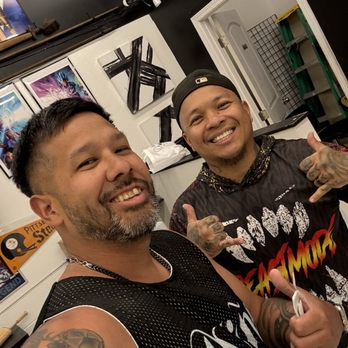
Take Tyler Reed (@destinationink82) for example. Based in Leon, Iowa, and Hillsboro, Oregon, Tyler focuses on a specific aesthetic, attracting clients who appreciate that particular style. Specialization isn’t a limitation; it’s a strength. An artist who dedicates themselves to a specific style will inevitably be more skilled and knowledgeable in that area.
Before you even book a consultation, spend time browsing artists' portfolios online. Look for consistency in their work. Do they consistently produce high-quality tattoos in the style you want? Don't be afraid to look beyond your local area, but remember that travel and logistics will add to the overall cost.
Articulating your vision to an artist is also key. Bring reference images, even if they're just examples of the feeling you're going for. Be prepared to discuss your ideas in detail, and be open to the artist's suggestions. A good artist will be able to translate your vision into a stunning piece of art.
- Traditional: Bold lines, limited color palettes, classic imagery.
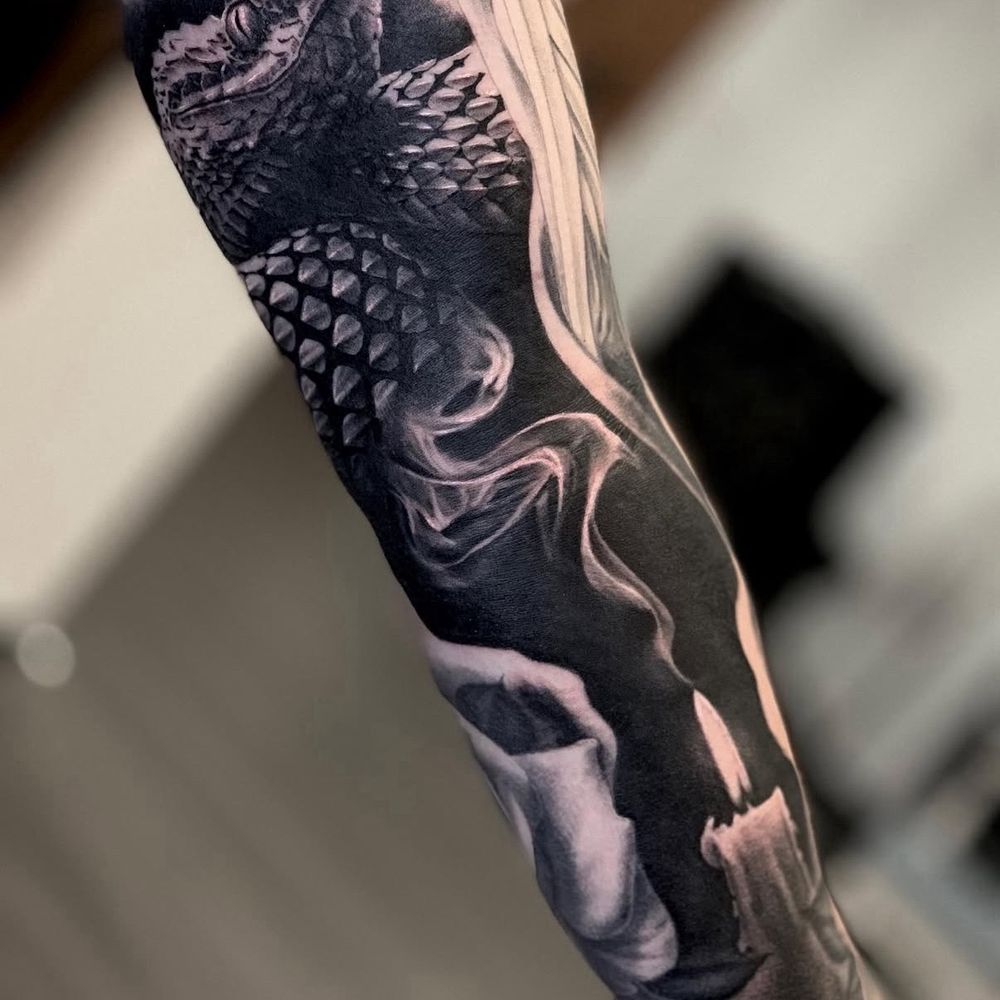
- Realism: Highly detailed, lifelike representations.
- Watercolor: Soft, blended colors, resembling a watercolor painting.
- Geometric: Precise shapes and patterns.
- Japanese: Rich symbolism, intricate designs, often featuring mythical creatures.
Common Tattoo Styles
- Traditional American - Bold outlines, limited color palettes, and classic imagery like roses, eagles, and pin-up girls. Often associated with sailors and a vintage aesthetic.
- Neo-Traditional - An evolution of Traditional American, featuring richer color palettes, more detail, and a wider range of subject matter, while still maintaining bold lines.
- Japanese (Irezumi/Wabori) - Characterized by large-scale designs, often incorporating mythological creatures, flowers (like cherry blossoms), and waves. Known for its intricate details and symbolic meaning.
- Realism - Aims to replicate photographs or real-life images with incredible detail and shading, often focusing on portraits or nature scenes.
- Blackwork - Utilizes exclusively black ink to create striking designs, often geometric or tribal in nature. Can range from solid black fills to intricate linework.
- Watercolor - Mimics the look of watercolor paintings with soft, blended colors and a delicate, fluid aesthetic.
- Geometric - Employs precise geometric shapes and patterns to create abstract or representational designs. Often incorporates sacred geometry or mandalas.
- Dotwork - Creates images using a multitude of small dots, building up shading and detail. Can be used alone or combined with other styles.
Safety standards you shouldn't ignore
This isn’t an area where you can compromise. A reputable tattoo shop should maintain the highest standards of hygiene and safety. While I’m not a medical professional, I can tell you what to look for. The shop should be clean and well-maintained, with no visible dirt or clutter. Artists should always wear gloves and use single-use equipment, like needles and ink caps.
Proper sterilization procedures are essential. Autoclaves should be used to sterilize reusable equipment, and you should feel comfortable asking about their sterilization process. Needles should be disposed of properly in a sharps container. Don’t be afraid to speak up if you see anything that concerns you.
Check if the shop is licensed and inspected by the local health department. This information is usually publicly available. A legitimate shop will proudly display their license and health inspection certificate. Ignoring these details is a risk you simply shouldn't take. Your health is too important.
Remember, a professional artist will also provide detailed aftercare instructions. This is a sign they care about the longevity of your tattoo and your overall well-being.
- Clean and organized shop environment.
- Artists wearing gloves.
- Single-use equipment.
- Proper sterilization procedures.
- Proper disposal of needles.
The consultation
A thorough consultation is non-negotiable. This isn’t just about showing the artist a picture; it's about discussing your ideas, placement, size, and getting their professional input. A good artist will take the time to understand your vision and offer suggestions based on their experience. They should also be honest about what’s possible and what isn’t.
Red flags during a consultation include an artist who dismisses your ideas, rushes the process, or doesn’t explain aftercare properly. If they seem uninterested or unwilling to listen, that’s a sign to walk away. You want an artist who is enthusiastic about your project and committed to creating a tattoo you’ll love.
Destination Ink (destinationink.com) provides a good example of a thorough consultation process. They emphasize open communication and collaboration with clients to ensure a personalized experience. This level of engagement is a hallmark of a reputable shop.
Don't be afraid to ask questions. Clarify any concerns you have about the design, the process, or the aftercare. A good artist will be happy to answer your questions and address your concerns.
Aftercare: Protecting Your Investment
Your aftercare routine is just as important as the tattoo itself. Proper aftercare ensures that your tattoo heals properly and maintains its vibrant colors. The basics include keeping the tattoo clean, moisturizing it regularly, and avoiding sun exposure. However, aftercare instructions can vary depending on the type of tattoo and the artist’s preference.
Always follow your artist’s specific instructions. They know best what works for their techniques and inks. Don’t rely on generic advice from the internet. Common mistakes include over-moisturizing, using the wrong type of lotion, and picking at scabs.
Some shops, like Destination Ink, offer discounts on piercings if you follow their specific healing protocols. It's a good sign when a shop stays involved after you leave the chair.
Be patient. Healing takes time, and it’s important to follow the aftercare instructions diligently throughout the entire process. If you experience any signs of infection, such as excessive redness, swelling, or pus, consult a doctor immediately.
Essential Tattoo Aftercare Products for Your New Ink

Natural olive oil and beeswax formula · Supports vibrant color and hydrates fresh ink · Moisturizing, lightweight, and petroleum-free
This natural balm is ideal for keeping fresh ink hydrated and vibrant, with a lightweight feel and mild scent.

Advanced therapy skin protectant · Multi-purpose healing ointment and body moisturizer · Fragrance-free and gentle on sensitive skin
A versatile option for healing and moisturizing, Aquaphor is a trusted choice for protecting and soothing new tattoos.

Sterile, waterproof, and breathable bandage · Promotes faster tattoo healing and protection · Latex-free and convenient to apply
Saniderm offers a sterile, waterproof barrier that aids in faster healing and protects your new tattoo from contaminants.

100% vegan and petroleum-free formula · Heals and protects new tattoos · Rejuvenates older tattoos
This vegan balm is formulated to effectively heal new tattoos while also revitalizing the appearance of older ink.

Medicated lotion soap with Chloroxylenol · Helps reduce bacteria on the skin · Gentle cleansing for sensitive areas
Provon soap provides gentle, medicated cleansing essential for maintaining hygiene during the tattoo healing process.
As an Amazon Associate I earn from qualifying purchases. Prices may vary.

No comments yet. Be the first to share your thoughts!